































Third-Party Accident Claims vs Insurance Claims: What’s the Difference?
Understand the difference between third-party accident claims and your own insurance claims in the UK, including liability, costs and the claims process.
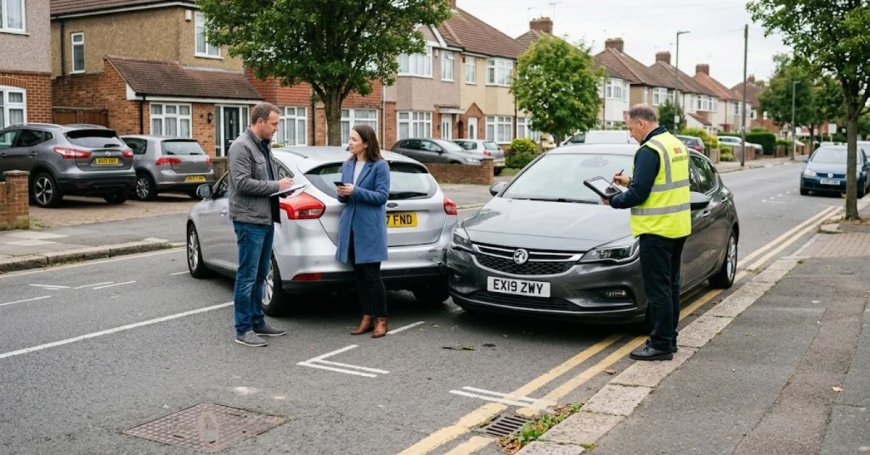
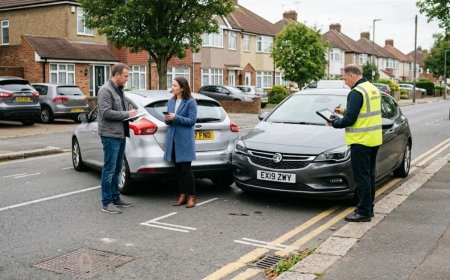
A third-party accident claim is generally made against another driver’s insurance when they are believed to be responsible for a collision, while a first-party claim is made under your own motor insurance policy.
Understanding the difference can help you make informed decisions about vehicle repairs, potential costs and the next steps after an accident. If you need support with the claims process, a car accident management company can help you understand your options and coordinate relevant services following a collision.
What Is a Third-Party Accident Claim?
A third-party accident claim is made against another driver's insurance when you believe they caused an accident and are legally responsible for your losses. These losses may include vehicle damage, reasonable recovery costs and, where applicable, personal injury.
For example, if another motorist runs a red light and damages your car, you may be able to claim against their insurer. The insurer will usually investigate the circumstances and assess liability before deciding whether to accept the claim.
A third-party claim does not automatically mean compensation will be paid. Responsibility may be disputed, evidence may be required, and the outcome depends on the facts of the accident and the applicable legal principles.
What Is a First-Party Insurance Claim?
A first-party claim is made under your own motor insurance policy. Whether your insurer covers the damage depends on your policy type, its terms and the circumstances of the incident.
For instance, if you accidentally damage your car while parking, you may be able to claim under your comprehensive insurance. You would normally be responsible for any applicable excess, and a claim could affect your no-claims discount or future premiums, depending on the circumstances and policy terms.
Drivers with third-party-only insurance generally cannot claim for accidental damage to their own vehicle under that policy alone. However, other cover or recovery options may apply in particular circumstances.
Third-Party vs First-Party Claims: Key Differences
Although both types of claim relate to an accident, they involve different insurance arrangements.
|
Factor |
Third-party claim |
First-party claim |
|
Who you claim against |
The other driver's insurer |
Your own insurer |
|
Main basis |
Another party's legal liability |
Cover provided by your policy |
|
Liability assessment |
The other driver's responsibility is investigated |
Coverage and, where relevant, fault are assessed |
|
Excess |
Usually not payable to the other insurer as your own policy excess, although other costs may arise |
An excess may apply under your policy |
|
No-claims discount |
May still be affected while a claim remains unresolved, depending on circumstances |
May be affected according to your policy and claim outcome |
|
Settlement |
Depends on liability, evidence and the insurer's response |
Depends on policy cover, terms and assessment |
The key distinction is that a third-party claim seeks recovery from someone else's insurance, whereas a first-party claim relies on your own policy. Neither route guarantees a faster settlement or a particular financial outcome.
When Should You Make a Third-Party or Own-Insurance Claim?
The appropriate route depends on how the accident happened, who may be liable and what your insurance covers.
When another driver is responsible: If the other motorist accepts responsibility, you may be able to claim directly against their insurer for eligible losses. You should still notify your own insurer as required by your policy.
When you are responsible for the accident: You would generally notify your insurer, and any claim for damage to your own vehicle would depend on whether your policy provides the relevant cover. Your insurer may also handle claims made by other people against your policy.
When fault is disputed: Contact your insurer and provide available evidence, such as photographs, witness details, dashcam footage and the other driver's information. Avoid assuming that the other party's insurer will accept responsibility immediately.
You should report the accident promptly and follow the notification requirements in your policy, even if you intend to pursue a third-party claim.
What Happens After a Third-Party Accident Claim?
Although individual cases differ, the process generally involves several stages:
-
Report the accident: Exchange relevant details and notify your insurer in accordance with your policy.
-
Gather evidence: Keep photographs, witness information, repair estimates and any relevant accident or police reference details.
-
Establish liability: The insurers assess the available evidence and consider who was responsible for the collision.
-
Assess your losses: Vehicle damage, recovery expenses and other eligible losses are reviewed and supported with appropriate documentation.
-
Resolve the claim: If liability and the amount claimed are agreed, the insurer may arrange payment or repairs. Disputes can extend the process.
Keeping organised records and responding promptly to reasonable requests can help avoid unnecessary delays.
What Costs and Insurance Implications Should You Consider?
One important consideration is your policy excess. If you claim through your own insurer, an excess may be deducted or become payable under the policy. Where another driver is responsible, you may be able to recover eligible losses, including an excess already paid, but recovery is not guaranteed.
Your no-claims discount and renewal premium also deserve attention. A non-fault accident does not automatically mean your premium will remain unchanged. Insurers may consider claims history and other rating factors, while the effect on a no-claims discount depends on the policy and whether the claim is protected.
Before choosing a route, check your policy terms and ask your insurer how the available options may affect you financially.
What If the Other Driver Is Uninsured or Disputes Fault?
If the other driver denies responsibility, the insurers may need to examine further evidence before reaching a decision. Accurate records and consistent accounts of the incident can be particularly helpful.
If the driver is uninsured or cannot be identified, making a conventional claim against their insurer may not be possible. Depending on the circumstances, the Motor Insurers' Bureau (MIB) may provide a route for eligible claims. Check its official guidance to understand the relevant requirements and exclusions.
Do not assume that every uninsured or hit-and-run accident qualifies for compensation. Eligibility depends on the facts and the applicable scheme rules.
FAQ’s
Can I claim against another driver's insurance if the accident wasn't my fault?
Yes, you may be able to claim against the other driver's insurer if they are legally responsible for the accident. The insurer will assess liability and the losses claimed before deciding whether to pay.
Should I contact my own insurer after a non-fault accident?
Generally, yes. Follow your policy's accident-reporting requirements even if you plan to claim directly against the other driver's insurer.
Will a third-party claim affect my no-claims discount?
It depends on the circumstances, your policy and whether the claim has been settled or costs recovered. Ask your insurer how the incident may affect your discount and renewal premium.
How long does a third-party accident claim take?
There is no fixed timeline for every claim. Straightforward cases may resolve sooner, while disputed liability, complex injuries or disagreements over repair costs can cause delays.
Final Thoughts
The difference between a third-party accident claim and a first-party insurance claim comes down to which insurance arrangement you rely on: another driver's policy or your own. The right option depends on liability, available cover, evidence and your individual circumstances.
After an accident, notify your insurer as required, preserve relevant evidence and review your policy before making decisions about repairs or compensation. Taking these practical steps can help you understand your options and manage the claims process with greater confidence.
What's Your Reaction?