
































How to Find the Best Auto Shop: 7 Things to Check Before Booking
Find the best auto shop with these 7 practical checks. Compare garage reviews, repair quotes, mechanic experience, warranties and service quality.
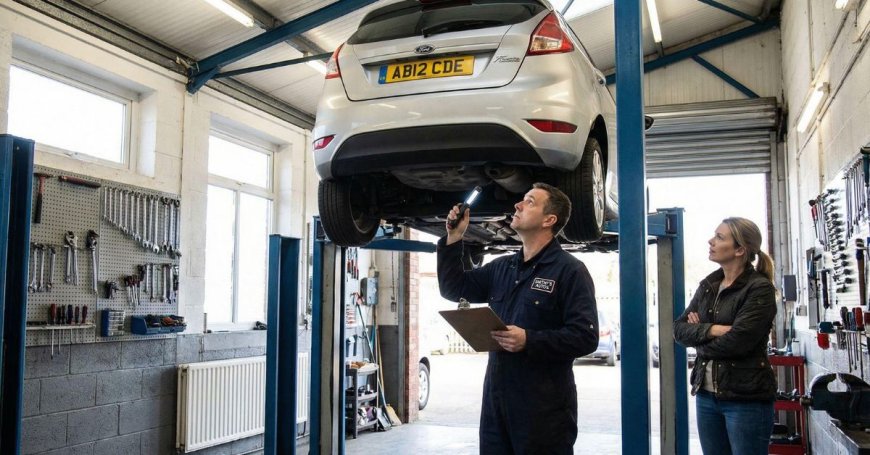
Finding the best auto shop means choosing a garage that combines skilled mechanics, transparent pricing, reliable communication and quality repairs, not simply the cheapest quote or the highest online rating.
Before booking your car in, compare customer feedback, check relevant experience, request a written estimate and understand the warranty on any work. For additional consumer guidance, read Citizens Advice’s guide to finding an approved garage.
1. Check Customer Reviews and Recommendations
Customer reviews can help you identify a reliable car repair garage before you commit. Start by checking Google reviews and other reputable review platforms, paying attention to recent feedback about repair quality, pricing, punctuality and customer service.
Look beyond the overall star rating. Detailed reviews describing how a garage diagnosed a fault, explained the repair or handled a complaint can be more useful than brief comments saying it was excellent.
It is also worth asking friends, family or colleagues which local garages they trust. Personal recommendations can reveal useful details about consistency and aftercare.
Remember that reviews are only one part of your decision. Consider recurring patterns rather than relying on a single positive or negative experience.
2. Compare Written Quotes and Repair Costs
Price matters, but the lowest quote does not always offer the best value. Request written estimates from two or three garages for the same repair so you can compare what each one includes.
A useful estimate should explain:
-
The work required and the reason for it.
-
Labour charges and the cost of replacement parts.
-
Any diagnostic fees or additional charges.
-
The estimated completion time.
-
Whether VAT is included, where applicable.
Ask whether the price is a fixed quote or an estimate. An estimate can change if further faults are discovered, while an agreed quote generally provides greater price certainty. Clarify how the garage will contact you and obtain approval before carrying out additional work.
A slightly higher price may be reasonable if it includes better-suited parts, clearer guarantees or more comprehensive diagnostics. Focus on the overall value rather than the headline figure.
3. Check Qualifications, Accreditations and Experience
A trustworthy garage should be able to explain its technicians’ relevant training and experience. This is particularly important for complex repairs involving engine management, automatic transmissions, hybrid systems or electric vehicles.
Check whether the garage has recognised industry accreditations and a clear complaints process. For example, you can use The Motor Ombudsman’s Service and Repair Garage Finder to look for businesses accredited to its relevant code.
Do not assume that every garage needs the same qualifications for every type of repair. Instead, ask about experience that matches your vehicle and the job required.
If you need an MOT, check that the centre is authorised to carry out MOT tests. However, MOT authorisation alone does not guarantee that a garage is the best choice for every repair.
4. Look for Clear Communication and Honest Advice
Good communication is one of the strongest signs of a professional car servicing centre. From your first enquiry, staff should listen carefully to the symptoms, explain the likely next steps and answer reasonable questions without pressuring you into unnecessary work.
Notice how they describe the problem. A dependable mechanic should distinguish between a confirmed fault and a possible cause that needs further investigation.
Ask whether the garage will contact you if diagnostics reveal additional repairs. You should understand what is urgent, what can wait and why each recommendation matters.
Be cautious if staff refuse to explain charges, make vague promises or insist on expensive work without providing a clear reason. Professional advice should help you make an informed decision, not leave you feeling rushed.
5. Ask About Parts, Repair Standards and Warranties
Before authorising a repair, ask which parts will be fitted and whether the garage offers a warranty on parts and labour. Depending on the job, options may include original-equipment parts, suitable aftermarket components or reconditioned parts.
The right choice depends on your vehicle, budget and repair requirements. Ask the garage to explain the differences and confirm what is included in the price.
Check the warranty terms carefully, including its duration, exclusions and what happens if the same fault returns. Do not assume that every warranty covers all components or labour costs.
If your car is still under a manufacturer’s warranty, check the servicing requirements and keep detailed invoices and records. These can be important if you need to make a future warranty claim.
6. Check Experience With Your Make and Model
Not every garage specialises in every vehicle. While many independent garages can handle routine servicing and common repairs across different makes, certain faults require specific diagnostic equipment, technical knowledge or software.
When contacting a garage, explain your car’s make, model, year, engine type and symptoms. Ask whether it regularly works on similar vehicles and has the equipment needed for your repair.
For example, a garage experienced with conventional petrol cars may not be the most suitable option for a specialist electric-vehicle battery fault. Likewise, some luxury or performance models may benefit from a dedicated specialist.
Choosing a garage with relevant experience can help avoid unnecessary diagnostic work and improve the chances of identifying the problem correctly.
7. Confirm Repair Times and Get Approval in Writing
Before handing over your keys, agree on the expected completion date and ask how the garage will update you if parts are delayed or further work is needed.
Confirm the booking details, agreed price or estimate, requested repairs and arrangements for additional authorisation in writing. Keep copies of messages, estimates and invoices in case you need to clarify what was agreed.
Ask whether a courtesy car, collection service or alternative transport is available if you rely on your vehicle daily. These services are not guaranteed, so check any costs and conditions in advance.
When collecting your car, review the invoice and make sure it lists the work completed and any parts fitted. Ask for an explanation if something differs from the original agreement.
Red Flags to Watch for Before Booking
Consider looking elsewhere if a garage:
-
Refuses to provide a clear estimate or written breakdown.
-
Pressures you to approve extra repairs immediately.
-
Cannot explain its diagnosis or recommended work.
-
Gives vague answers about parts, warranties or completion times.
-
Has repeated, credible complaints about poor workmanship or unexplained charges.
A tidy workshop or impressive website can create a positive first impression, but neither proves that repairs will be good. Look at the full picture: communication, evidence of experience, transparent costs and consistent customer feedback.
Frequently Asked Questions
How do I find a reliable car repair garage near me?
Ask for personal recommendations, compare recent reviews and request quotes from garages with relevant experience. Check accreditations and make sure the garage explains its work and pricing clearly before you book.
Should I always choose the cheapest garage?
No. Compare what each quote includes, the parts proposed, the garage’s experience and the warranty offered. The cheapest option may be suitable, but only if it meets your repair needs and provides clear terms.
What should a car repair estimate include?
It should describe the proposed work, labour and parts costs, any diagnostic or additional charges, and the expected completion time. Ask whether it is a fixed quote or an estimate and agree that extra work must be authorised first.
How can I tell if a mechanic is trustworthy?
Look for clear explanations, transparent pricing, relevant experience and a willingness to answer questions. A trustworthy mechanic should explain the evidence behind a diagnosis and help you understand which repairs are necessary.
Final Thoughts
Choosing the best auto shop takes a little research, but it can help you avoid unexpected costs and poor-quality repairs. Compare reviews and written quotes, verify relevant experience, ask about parts and warranties, and agree on the work before handing over your car.
The best garage is not necessarily the most expensive or the closest. It is one that provides competent work, communicates honestly and gives you confidence in the decisions being made about your vehicle.
What's Your Reaction?