






























How to Calculate the True Cost per Hour of the TV You Actually Watch
Calculating the true cost per hour of television helps you understand what you are paying for the entertainment you actually enjoy. By including subscriptions, equipment, additional services, and real viewing hours, you can compare television packages more accurately and avoid unnecessary spending.

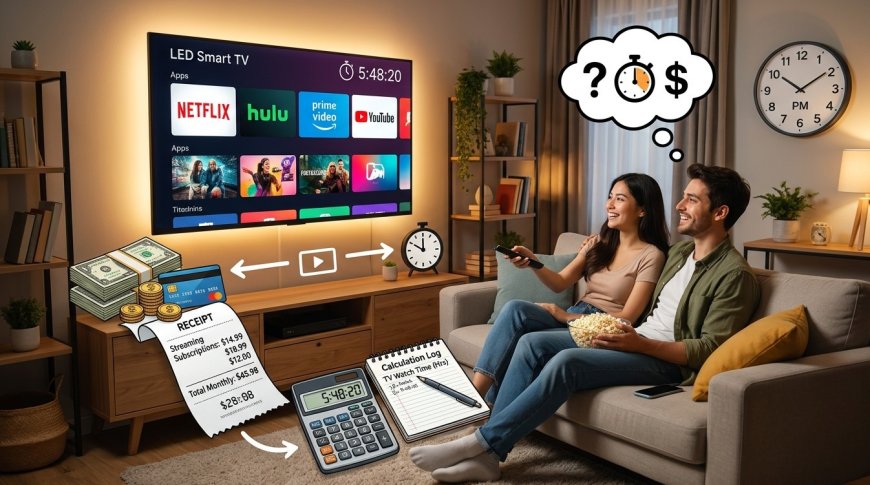
Choosing a television service based only on its monthly subscription price can be misleading. A cheaper plan is not always better value, especially if you rarely watch its channels or pay extra for equipment, premium content, and additional features. A more useful approach is to calculate the actual cost per hour of television you watch.
This simple calculation helps you understand whether your entertainment subscription is worth the money. Whether you are comparing cable, satellite, or an IPTV India service, knowing your viewing habits can help you make a smarter decision. It can also help you evaluate the overall expense of using an Indian IPTV Box alongside your television subscription.
Table of Contents
-
What Is the True Cost per Hour?
-
Calculate Your Total Monthly TV Cost
-
Track Your Actual Viewing Hours
-
Use the Cost-per-Hour Formula
-
Example: Comparing Two TV Plans
-
Other Costs You Should Consider
-
Tips to Get Better Value
-
Frequently Asked Questions
1. What Is the True Cost per Hour?
Cost per hour measures how much you spend for every hour of television you actually watch.
For example, if you pay $30 per month and watch 60 hours of television, your cost is $0.50 per viewing hour.
This measurement is more useful than comparing subscription prices alone because it considers how frequently you use the service.
A subscription with more channels may look attractive, but if you regularly watch only a few programs, you might be paying for features you rarely use.
2. Calculate Your Total Monthly TV Cost
Before calculating the cost per hour, identify all expenses associated with your television service.
Include the following:
-
Monthly subscription: The regular amount paid for your TV package.
-
Equipment expenses: Box rental, purchase costs, or equipment replacement.
-
Internet costs: The portion of your broadband bill used for streaming.
-
Additional subscriptions: Premium channels or separate streaming applications.
-
Extra charges: Installation fees, taxes, and other recurring expenses.
For equipment purchased once, divide its cost across a reasonable expected usage period. For example, a $120 streaming box used for 24 months adds $5 per month to your estimated equipment cost.
Avoid counting your entire internet bill if you also use the connection for work, browsing, and other activities. Include only a reasonable share attributable to television.
3. Track Your Actual Viewing Hours
The next step is to determine how much television you really watch.
You can track viewing time for one month using:
-
A simple notebook or spreadsheet.
-
Screen-time reports, where available.
-
Television or streaming app usage statistics.
-
A weekly estimate of your household's viewing habits.
Record actual viewing time rather than the time your television remains switched on.
For example, if the TV stays on for four hours but you actively watch only three hours, count three hours if you want to measure personal viewing value.
For multiple household members, add their viewing hours together when calculating household cost per hour.
4. Use the Cost-per-Hour Formula
Once you know your total monthly expenses and viewing hours, use this formula:
Cost per viewing hour = Total monthly TV cost ÷ Actual monthly viewing hours
For example:
-
Monthly TV subscription: $25
-
Equipment allocation: $5
-
Additional content subscriptions: $10
-
Total monthly cost: $40
-
Actual viewing time: 80 hours
Calculation:
$40 ÷ 80 = $0.50 per viewing hour
This means your household spends approximately 50 cents for every hour of television watched.
5. Example: Comparing Two TV Plans
Consider two hypothetical television subscriptions:
| Expense | Plan A | Plan B |
|---|---|---|
| Monthly subscription | $20 | $35 |
| Equipment allocation | $5 | $5 |
| Total monthly cost | $25 | $40 |
| Viewing hours | 40 | 100 |
| Cost per hour | $0.63 | $0.40 |
Although Plan B has a higher monthly price, it offers a lower cost per viewing hour because the household watches more television.
This example shows why the cheapest subscription is not necessarily the best value.
6. Other Costs You Should Consider
A realistic comparison should include more than money.
Consider these additional factors:
-
Content availability: Does the service offer the programs and channels you actually enjoy?
-
Streaming reliability: Frequent buffering and outages can reduce usable viewing time.
-
Picture and sound quality: Poor playback may make an inexpensive service less satisfying.
-
Device compatibility: Check whether your television and streaming equipment support the service.
-
Contract flexibility: Cancellation fees and long-term commitments can increase the overall cost.
A low cost per hour does not automatically mean a service is suitable if it fails to meet your entertainment needs.
7. Tips to Get Better Value
You can improve your television spending without sacrificing the programs you enjoy.
-
Review your subscriptions every few months.
-
Cancel services you rarely use.
-
Choose a package based on your preferred channels.
-
Avoid paying extra for features you do not need.
-
Compare annual and monthly payment options carefully.
-
Keep track of equipment and maintenance expenses.
-
Prioritize reliable services with transparent pricing.
The goal is not simply to spend less. It is to get more enjoyable and dependable viewing from the money you spend.
8. Frequently Asked Questions
Q1. What is a good cost per hour for television?
There is no universal ideal amount. It depends on your budget, viewing habits, content preferences, and service quality.
Q2. Should I include my internet bill?
Include a reasonable portion of your internet expense if you use broadband for television and other activities.
Q3. How often should I calculate my TV cost per hour?
Monthly calculations are useful, but reviewing your expenses every three to six months can reveal changing viewing habits.
Q4. Should I include the cost of my streaming box?
Yes. Divide its purchase price by the number of months you expect to use it and include that monthly amount.
Q5. Is a more expensive TV package always better?
No. A more expensive package may offer more channels, but its value depends on how much of that content you actually watch.
Conclusion and Call to Action
Calculating the true cost per hour of television helps you understand what you are paying for the entertainment you actually enjoy. By including subscriptions, equipment, additional services, and real viewing hours, you can compare television packages more accurately and avoid unnecessary spending.
Review your viewing habits before choosing your next service. Explore IPTV India options and learn more about selecting a suitable Indian IPTV Box for a convenient and cost-conscious home entertainment experience.
What's Your Reaction?