

































How to Store Seasonal Clothes Without Ruining Them
Protect your wardrobe between seasons with expert storage tips. Discover how to clean, fold, and pack clothes to prevent fading, mildew, and pests.

Every spring and autumn, the same thing happens. You pull a bin bag of summer clothes out of the loft and find stubborn creases, a musty smell, or a cardigan with a moth-sized hole in it. Time rarely ruins clothes; damp, crushing and the wrong container do. The fix is simple: use decent packaging supplies online, wash everything first, give each type of garment the right box, and keep the lot somewhere cool and dry.
A little planning now saves you from replacing your favourites next year. Here’s how to put your seasonal wardrobe away so it comes out looking as appealing as it went in.
Why Do Stored Clothes Get Damaged?
Stored clothes are damaged mainly by damp, pressure and pests. Moisture causes mould and musty smells, heavy stacking crushes fabric into stubborn creases, and moths go for dirty natural fibres like wool. Almost all of it is preventable with clean clothes, a sensible box and a dry spot.
Think of a storage box as a tiny climate. Whatever’s trapped inside, whether that’s a little moisture, a lingering stain or a few moth eggs, has months to get worse. In July, no one opens the box to inspect.
Damp and musty smells
Damp is the big one. A loft in Manchester or a garage in Glasgow can swing from dry to clammy in a single wet week, and cardboard soaks up moisture like a sponge. Cheap storage boxes are perfectly useful in a dry spare room or under a bed, but they’re a poor match for a bare garage floor. If a space smells damp, lift the boxes onto a shelf or choose somewhere else entirely.
Creasing and crushing
Weight does the rest. A box of winter coats at the bottom of a stack of five will come out flat and wrinkled, and silk blouses never recover from a heavy box of books on top. Keep stacks to three boxes at most, with the heaviest at the bottom.
When you’re choosing packaging supplies online, think about what each box will carry, not just how much it holds.
Moths and dirt
Moths go for dirty wool, cashmere and fur-trimmed items. Clothes that have been worn but not washed carry sweat, skin oils and food traces, and those are what attract them. Wash or dry-clean first. That one habit prevents more damage than any amount of clever packing.
Should You Hang or Fold Seasonal Clothes?
Hang coats, dresses, suits and structured jackets, because folding creates sharp creases. Fold knitwear, T-shirts and jeans, because hanging stretches shoulders and sleeves. A simple rule is, if it has a shape worth keeping, hang it; if it’s soft and stretchy, fold it flat.
Get it backwards and you’ll see the evidence next season: shoulder bumps on a jumper that spent six months on a hanger, or a sharp crease across a lovely wool coat. Sorting before you pack also makes it easier to buy the right boxes. If you order packaging supplies online with your hang and fold piles already counted, you’ll know how many tall boxes and how many flat ones you need.
What should hang?
Coats, dresses, suits, blazers and anything tailored belong on a hanger. This is where wardrobe boxes come in: tall cartons, usually fitted with a rail across the top, so garments hang just as they would at home. Use properly shaped hangers for coats, and don’t cram.
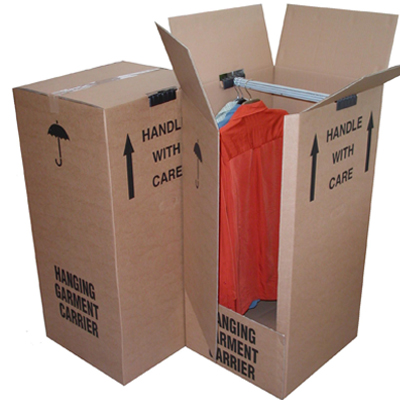
A box that’s too full presses fabric against the walls and defeats the point. Check pockets before you hang anything, too. Tissues, receipts and half-eaten sweets cause trouble in a box that stays shut for six months.
What should be folded?
Jumpers, cardigans, T-shirts, jeans and anything knitted should be folded flat. Hanging stretches the shoulders of knitwear, and gravity finishes the job over a few months. Fold with the sleeves tucked behind, and keep each pile low so the bottom layer isn’t squashed. Heavier items such as jeans go at the bottom, with delicate T-shirts on top.
What Boxes Work Best for Storing Clothes?
Match the box to the garment. Tall hanging cartons suit coats and dresses, quick-assembly single-wall boxes suit folded knitwear, and small sturdy boxes suit accessories. Choose a double wall for heavier loads or longer storage, and always check that the inside is clean and dry before you pack.
Not all boxes are equal, and not every garment needs the strongest one. Cheap storage boxes can be a smart choice if the wall strength suits the load. When you compare packaging supplies online, you’ll see single-wall and double-wall options for most sizes. Single-wall suits light, folded clothes in a dry room, while double-wall co-poses better with heavier loads and longer storage.
Wardrobe boxes for coats and dresses
A wardrobe box is a tall, double wall carton that holds clothes on hangers. It’s the right call for coats, dresses and suits you’d hate to crease. It’s also overkill for a few T-shirts, so don’t buy one for items that fold perfectly well.
Keep the load sensible, too. A dozen heavy winter coats on one rail can bow the box.
Crash lock boxes for folded knitwear
A crash lock box has a self-locking base that pops into shape without any tape underneath. That makes assembly quick, which matters when you’re boxing up a whole winter wardrobe in one afternoon. They’re usually single-wall, so they suit jumpers, scarves and T-shirts in a dry room, but not heavy loads or damp spaces.
E-commerce boxes for scarves, gloves and accessories
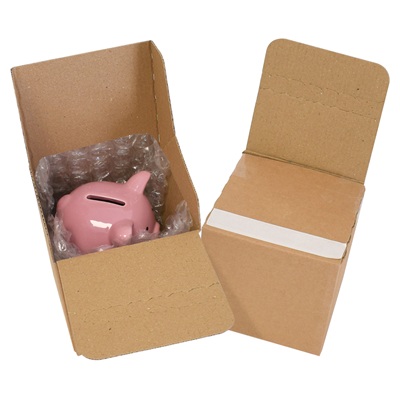
These are the small, sturdy, postal-style cartons designed to ship online orders. Their shallow depth makes them handy for gloves, hats, belts and scarves, which otherwise vanish to the bottom of a big box. They stack neatly, too. Label the lid, and you can easily locate a pair of gloves in December without having to search through three boxes.
One last point on choosing. Reusing boxes from your last move is tempting, and it’s fine if they’re stiff and dry. Press the sides and the base. If they flex or smell musty, they’re finished, and a fresh box costs far less than a ruined coat.
How Do You Pack Seasonal Clothes Step by Step?
Wash and fully dry everything, sort into hang and fold piles, then pack heavy items at the bottom and leave a little breathing room. Label each box and store it in a cool, dry spot off the floor. Never pack anything slightly damp, because trapped moisture is how mould starts.
Here’s the order that works for most households:
- Wash or dry-clean everything, then let it dry completely. Allow it to dry for an additional day, even if it seems excessive.
- Sort into hang and fold piles, and set aside anything that needs mending.
- Ensure that each box is clean and dry on the inside.
- Hang coats and dresses in a wardrobe box, leaving some space between garments.
- Fold knitwear flat into crash lock boxes, with the heaviest items at the bottom.
- Pack gloves, hats and scarves into small e-commerce boxes.
- Seal, label the contents and the season, and store them off the floor.
Labels matter more than people expect. “Winter knitwear, spare room” beats “misc clothes” every time, and it saves you opening four boxes to find one jumper on the first cold morning of October.
If you order packaging supplies online a fortnight before the clothes swap, try not to rush the sorting. Rushed packing is where most mistakes happen.
Also, skip airtight plastic bags for natural fibres, since wool and cotton need to breathe. Vacuum bags save space, but they can flatten wool and down for good. And whatever you do, don’t pack anything even slightly damp. A closed box turns a little moisture into mildew by spring.
Frequently Asked Questions
Can you store clothes in cardboard boxes long-term?
Yes, as long as the boxes are clean, dry and kept somewhere cool. Cheap storage boxes work well for a year or two in a spare room or on top of a cupboard, but they’re a poor choice for damp lofts and garages. For storing anything precious, choose double wall boxes and check the contents inside periodically.
Count your hanging items first. A box typically holds around a dozen average garments, such as shirts or dresses, and fewer if it’s all heavy coats. Most households need one or two for coats and one for dresses and suits. Don’t overfill, because squashed clothes crease.
For folded clothes, yes. Clothes are light, so single wall boxes with a self-locking base cope easily in a dry room. They struggle in damp conditions, with heavy stacking, or during very long storage; for those situations, you should use double-wall boxes. Keep heavy shoes and books out of them.
Checking stored clothes once around the middle of the season is sufficient. Open one box, give it a sniff and check for dampness or moth damage, then reseal it. If something smells musty, air the contents and find out why before it spreads.
Summing up
Clothes survive storage when you respect a few simple things: wash them first, choose the right box for each garment, and keep everything somewhere cool and dry. Hang the tailored pieces, fold the soft ones, and don’t ask any box to carry more than it should.
Small e-commerce boxes keep accessories from vanishing, and sensible packaging supplies online make the whole job cheaper and quicker than improvising with bin bags. Know the limits as well: cardboard hates damp, and vacuum bags don’t suit everything. Get the basics right once, and the only surprise next season is how excellent your winter coat still looks.
What's Your Reaction?