
































The Hidden Craftsmanship Behind Every Mechanical Wristwatch

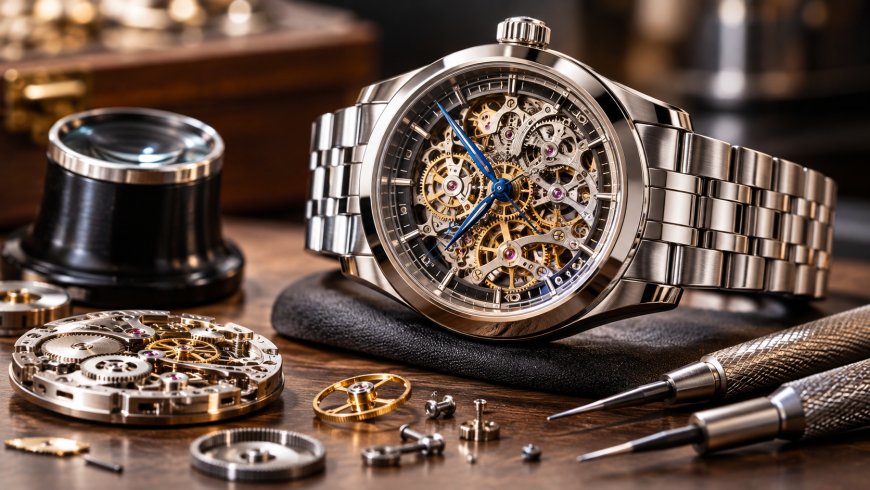
A mechanical wristwatch is more than an accessory that tells time. It represents a combination of engineering, creativity, patience, and traditional craftsmanship. Unlike digital watches or battery-powered timepieces, mechanical watches rely on carefully assembled components working together to measure every passing second. Behind their elegant appearance lies a fascinating world of miniature gears, springs, wheels, and precisely engineered mechanisms.
For watch enthusiasts, understanding how these components work makes wearing a mechanical watch even more rewarding. Every detail, from the movement inside the case to the finishing on the dial, reflects thoughtful design and technical expertise. This attention to detail is what makes mechanical watches special and continues to attract people who appreciate quality, functionality, and timeless style.
1. The Intricate Movement: The Heart of Every Watch
The movement is the most important part of a mechanical wristwatch. It is the internal mechanism responsible for keeping time and powering the hands. Although it may appear small, a mechanical movement contains numerous interconnected components that must work in perfect harmony.
At its core, the movement typically includes a mainspring, gear train, escapement, and balance wheel. The mainspring stores energy when wound and gradually releases it. This energy travels through the gear train, while the escapement controls its release. The balance wheel regulates the movement's rhythm, allowing the watch to maintain consistent timekeeping.
What makes this engineering impressive is the level of coordination required between these tiny parts. Even minor differences in component dimensions or assembly can influence performance.
When exploring a mechanical wristwatch collection, enthusiasts often pay attention to the movement because it reveals much about a watch's construction and overall character. The mechanism represents the technical foundation behind its beauty.
2. Precision Manufacturing: Every Tiny Component Matters
One of the most fascinating aspects of mechanical watchmaking is the precision required to manufacture its components. Many internal parts are incredibly small, meaning even a slight manufacturing imperfection can affect how the movement operates.
Watch components must be produced with carefully controlled dimensions and tolerances. Gears need accurately shaped teeth to transfer energy smoothly, while pivots and bearings must fit correctly to reduce unnecessary friction. Springs also require appropriate flexibility and tension to deliver consistent performance.
Modern manufacturing technology has improved the production process, allowing watchmakers to achieve impressive levels of accuracy. However, traditional expertise remains important when inspecting, adjusting, and assembling individual components.
The quality of a mechanical watch is not determined by its appearance alone. Its internal construction plays an equally important role. This combination of precision manufacturing and skilled workmanship is what distinguishes finely crafted mechanical watches from ordinary timekeeping accessories.
3. Hand Assembly and Skilled Watchmaking Techniques
Despite advances in automated manufacturing, skilled watchmakers continue to play an important role in mechanical watch production. Certain assembly, inspection, and adjustment processes require experience, concentration, and a detailed understanding of how individual components interact.
During assembly, watchmakers carefully position gears, springs, wheels, and other movement components. They ensure that each part sits correctly and operates without unnecessary resistance. Lubrication is also essential because specific contact points require carefully measured amounts of specialist oil to minimize friction and wear.
Another important process is regulating the movement. A watchmaker checks its timing performance and makes adjustments to improve consistency. This work requires patience because small changes can influence the overall accuracy of the mechanism.
The human skill involved in these processes adds another dimension to mechanical watchmaking. It demonstrates that a reliable timepiece is not simply the result of manufactured parts but also the knowledge and attention of the people who bring those parts together.
4. Finishing Details That Create Lasting Beauty
Craftsmanship does not stop once a mechanical movement begins working. The finishing process contributes significantly to the appearance and character of a watch.
Watchmakers and designers consider numerous visual details, including polished surfaces, brushed metal, engraved elements, carefully shaped hands, and refined dial textures. These features help create a balanced appearance while highlighting the quality of the overall design.
Some mechanical watches feature decorative movement finishing, where visible internal components receive additional attention. Techniques such as polishing, brushing, and decorative patterning can transform functional components into attractive visual elements.
The watch case and bracelet also deserve attention. Smooth edges, consistent finishes, comfortable proportions, and secure connections all contribute to the wearing experience.
These details may seem subtle at first, but they often become more noticeable over time. People who explore mechanical timepieces discover that their appeal comes from the relationship between technical performance and thoughtful design.
5. Testing, Regulation, and Quality Control
Before a mechanical wristwatch reaches its owner, it should undergo several checks to ensure that its components function correctly. Quality control is particularly important because mechanical movements contain many moving parts that depend on one another.
Watchmakers may evaluate timing accuracy in different positions, inspect winding performance, and check the power reserve. These tests help identify potential issues and determine whether the movement performs as intended.
Water resistance testing may also be conducted, depending on the watch's design and intended use. The case, crown, seals, and crystal must provide the required protection against moisture and external elements.
Another important consideration is the consistency of performance over time. A mechanical watch requires periodic servicing because lubricants can gradually deteriorate and components experience normal wear.
Regular maintenance helps preserve the movement and supports its long-term reliability. Understanding these requirements allows owners to appreciate the care involved in keeping a mechanical timepiece functioning properly.
6. Why Traditional Mechanical Craftsmanship Still Matters
In an age dominated by smartphones, smartwatches, and digital technology, mechanical watches continue to hold a special place in the world of accessories. Their popularity is not based solely on their ability to display the time. It also comes from their mechanical complexity, traditional manufacturing techniques, and distinctive character.
A mechanical wristwatch connects its owner with a long history of horological innovation. Its movement demonstrates how engineering principles can be combined with artistic thinking to create something both practical and visually appealing.
Mechanical watches also offer variety. Some feature clean minimalist dials, while others highlight intricate movement details or classic case designs. This diversity makes it easier for enthusiasts to find timepieces that complement their personal preferences and everyday wardrobes.
For anyone interested in appreciating traditional watchmaking, discovering different styles and mechanisms can be an enjoyable experience. A thoughtfully selected mechanical watch can become a meaningful addition to a personal collection, combining everyday functionality with enduring design.
Conclusion: Craftsmanship That Goes Beyond Timekeeping
The hidden craftsmanship behind every mechanical wristwatch is a remarkable combination of precision engineering, skilled assembly, careful finishing, and detailed quality control. Every gear, spring, and polished surface contributes to the watch's overall performance and appearance.
What makes these timepieces truly interesting is the effort involved in creating a mechanism that operates reliably within such a compact space. Their appeal extends beyond fashion, offering a lasting appreciation for traditional craftsmanship and mechanical innovation.
Whether you are a longtime enthusiast or beginning your journey into watch collecting, mechanical watches provide an opportunity to experience the beauty of engineering in everyday life. Discover thoughtfully designed styles and explore mechanical timepieces at GiftLuxWatch to find a watch that reflects your appreciation for timeless craftsmanship.
What's Your Reaction?