





























Used Car Inspection Checklist: How to Spot Problems Before Buying
Use this used car inspection checklist to check a vehicle’s condition, MOT history, service records, paperwork and warning signs before buying.
Buying a used car with confidence means looking beyond its appearance and asking price. A thorough used car inspection checklist helps you spot potential mechanical faults, hidden accident damage, incomplete paperwork and other warning signs before committing your money.
From checking the vehicle’s history to taking a careful test drive, a few practical steps can help you avoid unexpected repair bills. Before making a decision, review the car’s MOT history on GOV.UK and visit a trusted local auto showroom to explore suitable vehicles, ask questions about their condition and make a more informed purchase.
1. Check the Car’s Paperwork and History
Start with the documents before inspecting the vehicle. Ask the seller for the V5C logbook, service history, MOT records and any available repair invoices.
Check that the vehicle identification number (VIN) matches the details recorded on the vehicle and its documents. You should also confirm that the registration, make, model and recorded mileage are consistent across the paperwork.
An online vehicle history check can help reveal outstanding finance, recorded theft markers, previous write-off status and mileage discrepancies, depending on the information available. The V5C identifies the registered keeper, but it is not proof of ownership.
Be cautious if the seller cannot explain gaps in the service history, gives inconsistent answers or pressures you to buy quickly.
2. Inspect the Exterior for Damage and Rust
Whenever possible, view the car in daylight and when it is dry. Poor lighting or wet bodywork can make damage harder to spot.
Walk around the vehicle and check for:
-
Uneven panel gaps: Differences between doors, bonnet and boot panels may indicate previous repairs.
-
Mismatched paint: Changes in colour or finish can suggest that a panel has been repainted.
-
Dents and scratches: Look closely at bumpers, doors, wings and the edges of panels.
-
Rust: Pay particular attention to wheel arches, door edges, sills and visible areas underneath the car.
-
Glass and lights: Check for cracked windows, damaged light covers and signs of moisture inside the light units.
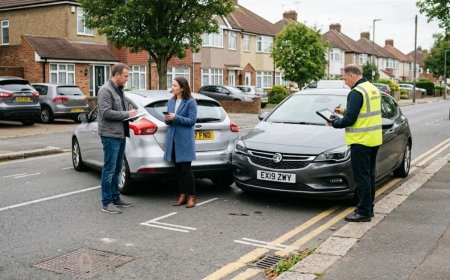
These signs do not automatically mean a car has been in a serious accident, but they are worth investigating. Ask the seller about any damage or repairs that you notice.
3. Check the Tyres, Wheels and Brakes
Tyres can reveal how well a vehicle has been maintained. Check all four tyres for cuts, bulges, cracks and uneven tread wear. Uneven wear may indicate incorrect tyre pressure, alignment problems or suspension issues.
In the UK, most car tyres must have a minimum tread depth of 1.6 mm across the central three-quarters of the tread and around the entire circumference. Tyres close to this limit may need replacing soon, adding to your ownership costs.
Inspect the wheels for significant damage and ask about any unusual brake noises or vibrations. During a safe test drive, pay attention to whether the car pulls to one side or the brakes feel inconsistent. Have a professional investigate any concerns before purchasing.
4. Examine the Interior and Dashboard Warning Lights
A car’s interior can provide clues about its condition and how it has been used. Check the seats, steering wheel, pedals and gear selector for excessive wear that seems inconsistent with the advertised mileage.
Test the essential equipment, including:
-
Air conditioning and heating
-
Electric windows and door locks
-
Headlights, indicators and brake lights
-
Infotainment system and reversing camera, if fitted
-
Seat belts, mirrors and windscreen wipers
Switch on the ignition and check the dashboard warning lights. They should illuminate as part of the normal system check, with relevant lights going out once the engine starts. A warning light that remains on should be investigated rather than ignored.
Look for damp carpets, musty smells or watermarks, as these can indicate water ingress.
5. Look for Mechanical Problems Under the Bonnet
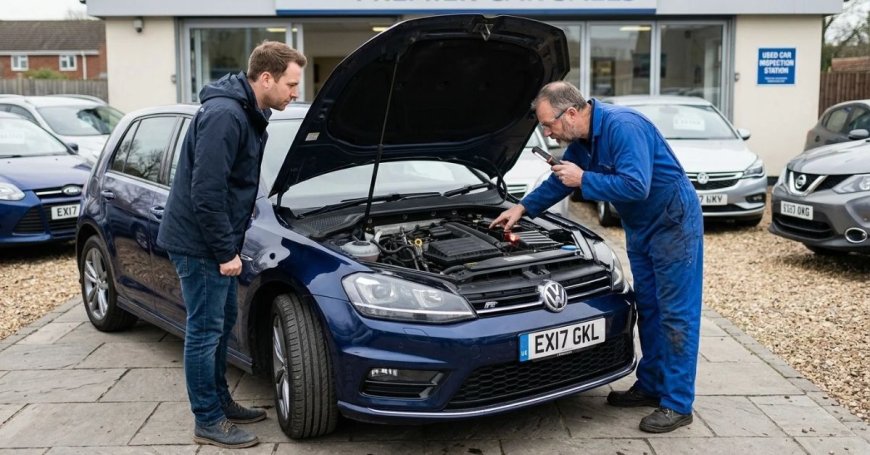
Inspect the engine bay when the engine is cool. You do not need to be a mechanic to notice obvious warning signs, although a visual check cannot confirm that every component is healthy.
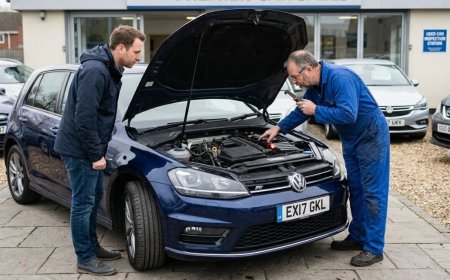
Look for visible oil or coolant leaks, damaged hoses, loose components and signs of neglected maintenance. Check fluid levels where it is safe to do so, following the vehicle’s instructions.
Unusual residue beneath the oil filler cap can sometimes occur after short journeys or in cold weather, so it is not conclusive proof of engine damage. However, persistent contamination, coolant loss or signs of overheating deserve further investigation.
Ask for evidence of important scheduled maintenance, including timing belt replacement where applicable. Requirements vary by model and engine, so check the manufacturer’s recommendations rather than relying on a universal replacement interval.
6. Take a Thorough Test Drive
A test drive is essential for assessing how the car behaves on the road. Make sure you have the seller’s permission, appropriate insurance and a valid driving licence before driving.
Start the engine and listen for unusual knocking, rattling or excessive vibration. If possible, observe how it starts from cold, as some problems may be less noticeable once the engine is warm.
During the drive, check whether:
-
The engine accelerates smoothly without hesitation.
-
The clutch engages normally and the gearbox changes gear smoothly.
-
The steering feels consistent and the car tracks straight.
-
The brakes work effectively without unusual noises or vibration.
-
The suspension handles bumps without excessive knocking.
-
The temperature gauge remains within its normal range.
Choose a safe route that includes different road conditions, where practical. Never ignore warning lights, overheating or serious noises simply because the car otherwise feels comfortable.
7. Consider an Independent Used Car Inspection
If you are inexperienced with cars, buying a higher-value vehicle or noticing possible mechanical issues, consider an independent pre-purchase inspection.
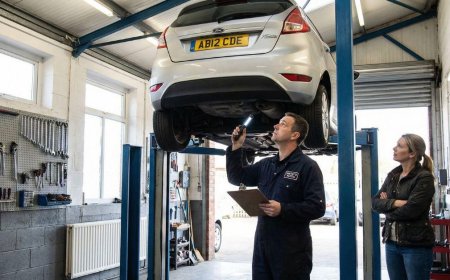
A qualified mechanic or vehicle inspection service may identify faults that are difficult to spot during a short viewing. This can provide useful information about likely repairs and help you decide whether to proceed, request repairs or negotiate the price.
An inspection costs money, but it may be worthwhile when compared with the potential cost of an unexpected major repair.
Red Flags That Should Make You Think Twice
Be prepared to walk away if you encounter serious concerns, including:
-
VIN or registration details that do not match.
-
Evidence of outstanding finance or unresolved history concerns.
-
Significant unexplained mileage discrepancies.
-
Serious structural damage, major fluid leaks or persistent warning lights.
-
A seller who refuses reasonable checks or will not allow a suitable test drive.
If something does not feel right, take time to verify the facts before making a decision.
Frequently Asked Questions
Is an MOT enough when buying a used car?
No. An MOT records whether a vehicle met the required roadworthiness standards at the time of its test. It does not guarantee its current condition or confirm that every mechanical component is healthy.
How can I spot accident damage on a second-hand car?
Look for uneven panel gaps, inconsistent paintwork, damaged trim and signs of repairs. These are clues rather than proof, so seek a professional assessment if you suspect significant damage.
Should I pay for an independent used car inspection?
It is worth considering if you cannot confidently assess the vehicle yourself, the car is expensive or you have noticed potential faults.
What is the biggest red flag when inspecting a used car?
There is no single warning sign in every case, but mismatched vehicle identification details, serious mechanical problems and a seller who refuses reasonable checks should be treated particularly carefully.
Final Thoughts
A careful inspection can help you make a more informed used-car buying decision, but no checklist can guarantee a fault-free vehicle. Check the paperwork and history, examine the bodywork and interior, assess the tyres and mechanical condition, and take a proper test drive.
If anything raises concern, seek independent advice before paying. Taking your time now can help you choose a car that better suits your needs and budget.
What's Your Reaction?