





























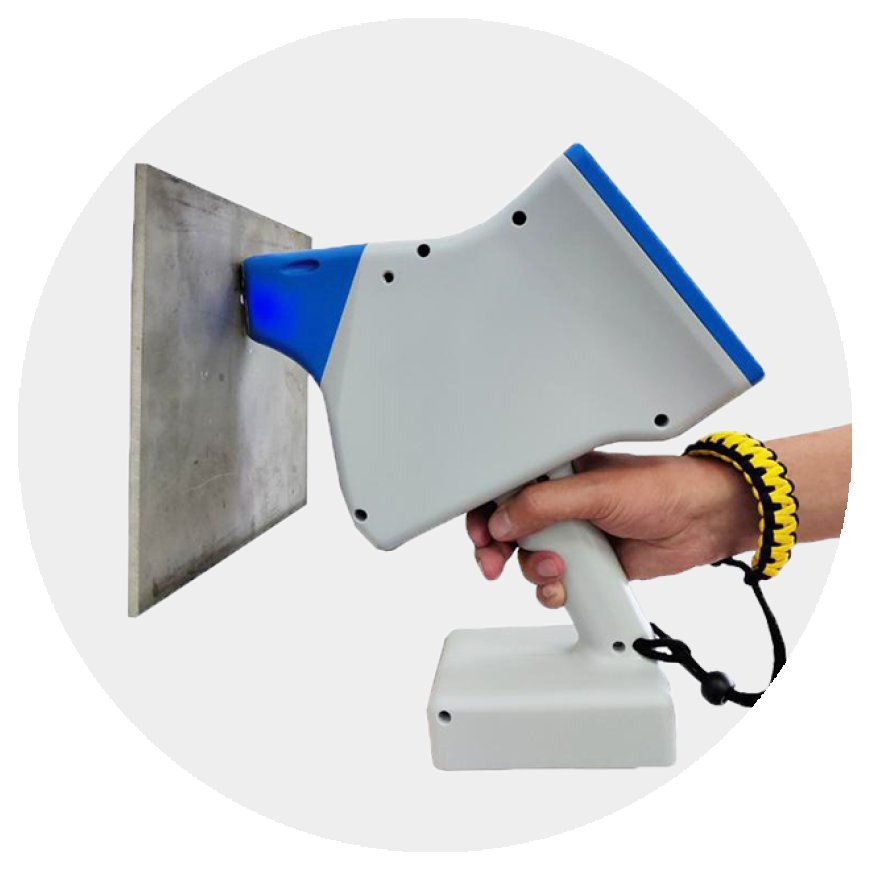
Portable LIBS Spectrometer LIS-02, Carbon detection spectrometer
Portable LIBS Spectrometer LIS-02 deducts the carbon without use of argon gas in one second. It is Fast, precise metal analyzer.

Portable LIBS Spectrometer Data Management: Turning Readings Into Usable
Records
A LIBS reading is only as valuable as what happens to it after the screen displays a result. A device that gives accurate carbon and alloy data but leaves no usable record creates a gap the moment someone asks, "can you show me that test again?" A portable LIBS spectrometer with solid data management closes that gap, turning individual readings into a searchable, defensible record.
This article looks at what good data handling looks like for LIBS testing, why it matters more than it first appears, and what to check before relying on a device's reporting features.
Why a Single Reading Isn't Enough
A test result that lives only on a handheld screen, seen once and forgotten, provides no protection when a material question comes up weeks later. Disputes over grade, audits from customers, and internal quality reviews all depend on being able to answer one question: can you prove what you tested, when, and what it showed?
This is where data management separates a basic field tool from a genuinely useful quality instrument. The measurement itself takes a second. The value of that measurement over time depends entirely on how well it's captured and stored.
What a Complete LIBS Record Should Include
A useful test record goes beyond the raw elemental percentages. At minimum, it should capture:
- Date and time of the test, tied to the device's internal clock
- Operator identification, so results can be traced to who performed the test
- Part or material identification, such as a heat number, lot number, or component tag
- The full elemental reading, not just the matched grade
- Matched grade result, if the device cross-references a built-in library
- A photo of the test location, which devices like the LIS-02 capture automatically through a built-in camera
- Any calculated values, such as carbon equivalent, relevant to the testing purpose
Missing even one of these fields can weaken a record when it's needed most — particularly the test location photo, which often becomes the deciding piece of evidence in a grading dispute.
Why Photo Documentation Matters More Than It Seems
A number on its own invites questions. Which spot on the part did that carbon reading come from? Was the surface properly prepared? Did the reading come from a weld, a base metal area, or a contaminated patch?
A photo answers all of this instantly. Built-in imaging, paired with each reading, turns a disputed number into a documented fact. This single feature often matters more during an audit than any other specification on a device's data sheet.
Connectivity Options and What They're Actually For
Modern portable LIBS units typically offer Wi-Fi and Bluetooth connectivity, which serve a few practical purposes:
Transferring Data Off the Device
Readings stored only on the handheld unit are vulnerable to device loss, damage, or simple memory limits. Regular transfer to a computer or server protects the record and frees up device storage.
Printing On-Site Documentation
A built-in or connected thermoprinter, included with units like the LIS-02, lets inspectors hand over a physical result slip immediately — useful for receiving inspections where paperwork needs to travel with the material right away.
Integrating With Quality Systems
Where a plant already runs a digital quality management system, exporting LIBS data into that system keeps all inspection records in one searchable place, rather than scattered across individual devices.
Building a Practical Data Workflow
- Set a naming or tagging convention for test records before testing begins — heat numbers, PO numbers, or component IDs, whatever matches how your operation tracks material.
- Transfer data regularly, rather than letting weeks of readings accumulate only on the handheld device.
- Back up exported records in at least two locations, consistent with how you handle other quality documentation.
- Review flagged or out-of-tolerance readings promptly, rather than letting them sit unresolved in a data file.
- Retain records according to your industry's documentation requirements, which vary by sector and contract terms.
Where Data Gaps Cause Real Problems
Weak data practices tend to surface at the worst possible time:
- A customer dispute arises months after shipment, and the only record is a verbal memory of "it tested fine."
- An audit asks for verification records, and the device's internal storage has already overwritten older readings.
- A failure investigation needs to trace material history, but readings were never tied to a specific heat or lot number.
Each of these situations is preventable with a consistent data workflow built in from the start, rather than treated as an afterthought.
What to Check Before Relying on a Device's Data Features
Not all portable LIBS units handle data the same way. Before depending on a device for documentation-critical work, confirm:
- How much internal storage does it have, and what happens when it fills up?
- Does it timestamp and tag readings automatically, or does that depend on manual operator entry?
- Does it capture a photo with every reading, or only on request?
- What export formats does it support, and do they match your existing systems?
- Is data password-protected or secured against unauthorized editing after the fact?
Frequently Asked Questions
Why does a photo matter alongside a numerical LIBS reading?
A photo confirms exactly where on the part the reading was taken, which becomes critical evidence if a result is later questioned or disputed.
How often should LIBS data be transferred off the handheld device?
Regularly enough to avoid storage limits and protect against device loss or damage — many operations do this at the end of each shift or testing session.
Can LIBS data integrate with an existing quality management system?
Many devices support data export in formats compatible with common quality systems, though the specific integration depends on the device and your software setup.
What happens if a device's storage fills up without data being transferred?
Depending on the device, older readings may be overwritten or testing may be blocked until space is freed, which is why regular transfer matters.
Is password protection on LIBS data actually necessary?
For records used in audits, disputes, or compliance documentation, protecting data against unauthorized changes helps maintain its credibility as evidence.
Final Thought
A portable LIBS spectrometer's real value extends well past the moment a reading appears on screen. Solid data management — timestamps, photos, proper tagging, and regular transfer — turns individual measurements into a record that holds up months or years later, when a question about that specific test finally comes up.
What's Your Reaction?