






























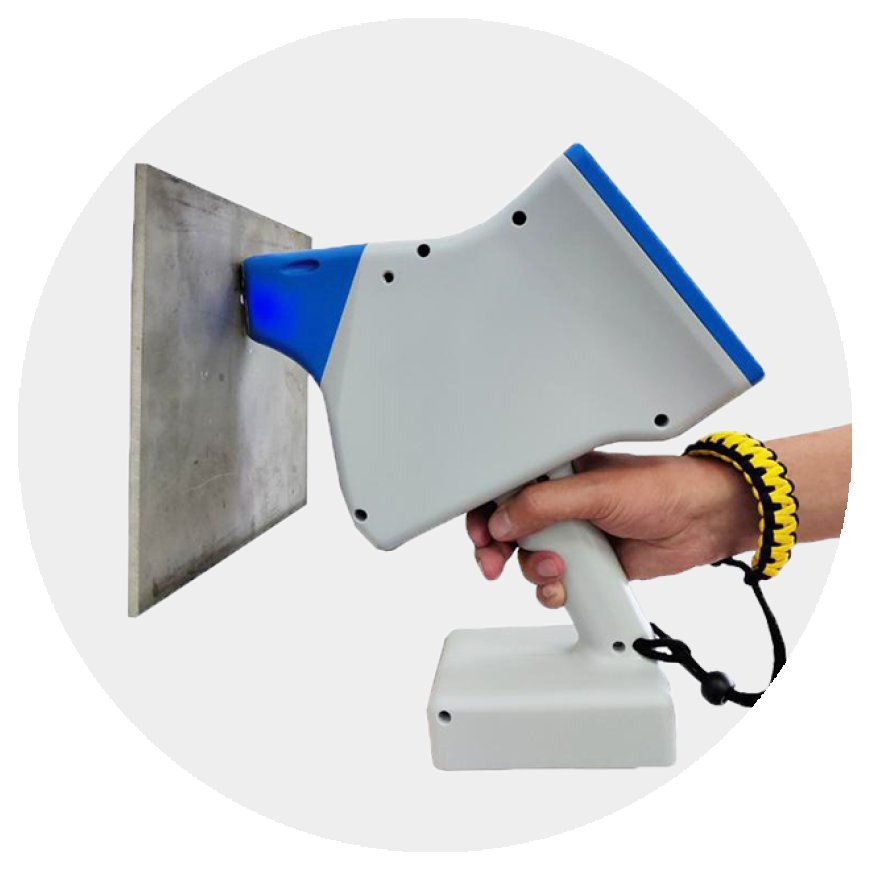
Portable LIBS Spectrometer LIS-02, Carbon detection spectrometer
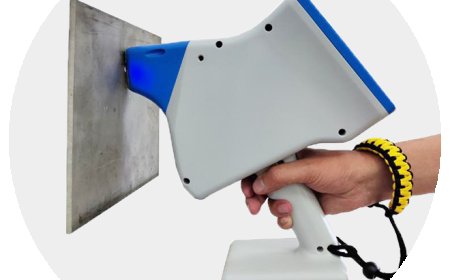
Portable LIBS Spectrometer LIS-02 deducts the carbon without use of argon gas in one second. It is Fast, precise metal analyzer.

Portable LIBS Spectrometer for Construction and Structural Steel Verification
A structural steel beam looks the same whether it's Grade 50 or a lower-strength substitute. The difference only shows up under load, and by then the steel is already bolted or welded into a building frame. A portable LIBS spectrometer gives construction quality teams a way to confirm structural steel chemistry on-site, before that steel becomes part of a finished structure.
This article looks at where LIBS testing fits into construction and structural steel verification, why it matters more than it might seem, and where it works alongside existing inspection practices.
Why Structural Steel Verification Gets Overlooked
Construction projects move fast, and material verification often relies entirely on mill certificates that arrive with a steel delivery. In most cases, that's sufficient. But certificates can be mismatched to the wrong bundle, lost in transit, or in rare cases, misrepresented.
The risk isn't theoretical. Structural engineers design connections, welds, and load paths around specific steel grades. A lower-grade substitute, even one that looks visually identical, can mean reduced yield strength exactly where the design assumed more capacity.
Where Portable LIBS Fits Into Construction Quality Control
Receiving Inspection at the Site or Yard
Before structural members go into fabrication or erection, a quick LIBS reading confirms the delivered steel matches its certificate. This catches mismatched bundles or supplier errors before they're built into the structure.
Verification Before Critical Welds
On connections where weld quality depends on knowing the base metal chemistry, confirming carbon content supports correct procedure selection, particularly preheat requirements tied to carbon equivalent.
Spot-Checking During Fabrication
Steel fabricators working with mixed stock from multiple heats or suppliers can use LIBS to verify grade consistency across a batch before members are cut, drilled, and assembled.
Forensic and Investigation Work
When a structural failure or defect investigation occurs, LIBS testing can help confirm whether the installed material matched its specification, supporting the broader investigation alongside other methods.
Why Carbon Content Matters in Structural Steel Decisions
Structural steel grades are defined by yield strength, but the underlying chemistry — particularly carbon and manganese content — determines both that strength and how the steel behaves during welding.
Handheld XRF, sometimes used for quick alloy checks on-site, cannot reliably detect carbon. This is a meaningful gap for structural work, since carbon content directly affects weldability and the preheat requirements specified in codes like AWS D1.1.
A device like the Portable LIBS Spectrometer LIS-02 addresses this by reading carbon directly in ambient air, without requiring a gas purge, and delivering results in about one second — practical for a receiving inspection routine on an active job site.
A Practical Verification Routine for Construction Sites
- Confirm which members require verification based on project specifications — not every piece of steel needs individual testing, but critical connections and primary structural members often do.
- Prepare the test spot by grinding through mill scale or coatings to reach bare metal.
- Take multiple readings per member, since site conditions and material handling can introduce surface variation.
- Compare against the mill certificate for that heat number, flagging any significant deviation.
- Document with photos, which built-in cameras on devices like the LIS-02 capture automatically, supporting the project's quality record.
- Escalate discrepancies through the project's established quality or RFI process rather than making a field judgment call on acceptability.
Benefits Specific to Construction and Structural Work
Catching Errors Before They're Built In
Once steel is welded, bolted, and covered by finishes or fireproofing, verification becomes far more difficult and costly. Checking at receiving or before critical welds catches problems while correction is still simple.
Supporting Code Compliance Documentation
Many structural projects, particularly those involving public infrastructure or high-occupancy buildings, require documented material verification. LIBS readings add a practical verification layer to that documentation.
Reducing Dispute Risk With Suppliers
A documented chemistry mismatch gives a factual basis for addressing a supplier discrepancy, rather than relying on paperwork alone when a question arises.
Fitting Into Fast-Moving Project Schedules
Construction schedules rarely allow time for samples to be cut and sent to a lab. A one-second field reading fits into the pace of an active job site without creating delays.
Where LIBS Testing Has Limits in Construction Settings
Construction environments bring their own practical constraints:
- It's a verification tool, not a replacement for mill certificates. The certificate remains the primary chemistry record; LIBS confirms that the physical material matches it.
- Surface condition varies widely on-site. Weathered, primed, or galvanized steel needs proper surface preparation before testing gives a reliable reading.
- Coated and finished members may not be practical to test without affecting the finish, which limits testing to appropriate stages of construction.
- It doesn't replace structural testing methods like tensile testing or non-destructive weld inspection, which address different aspects of quality.
Fitting LIBS Into a Project Quality Plan
Construction projects with formal quality requirements can incorporate LIBS verification as a defined checkpoint:
- Identify which structural elements require individual verification versus certificate-only acceptance
- Define acceptable tolerance ranges tied to each specified grade
- Assign responsibility for testing and documentation within the project's quality team
- Keep LIBS records as part of the overall project material traceability file
Frequently Asked Questions
Can a portable LIBS spectrometer verify structural steel grade accurately?
Yes, for confirming that delivered steel's chemistry matches its mill certificate. It works well as a field verification layer alongside standard documentation.
Why does carbon content matter for structural steel specifically?
Carbon content affects both strength and weldability, including preheat requirements for welding codes like AWS D1.1, making it a meaningful property to verify.
Does LIBS testing replace the need for mill certificates?
No. The certificate remains the primary material record. LIBS confirms the physical steel in hand matches what that certificate claims.
Can LIBS be used on galvanized or coated structural steel?
Testing through a coating isn't reliable. The coating would need to be removed at the test spot first, which may not be practical on all finished members.
Is LIBS testing required on every piece of structural steel?
Typically not. Most projects use it selectively, focused on critical connections, primary members, or situations where certificate verification raises questions.
Final Thought
Once structural steel is erected and covered, verifying its chemistry becomes impractical. A portable LIBS spectrometer gives construction and fabrication teams a fast, practical way to confirm material matches specification while it's still accessible — protecting the project from a mistake that would be far more costly to catch later.
What's Your Reaction?