






























How to Build a Secure Fintech App in 2026
Learn how to build a secure fintech app in 2026 with the latest Fintech Security best practices, essential features, and compliance standards. Discover expert insights from **Nimble AppGenie** to create a safe, scalable, and future-ready fintech solution.
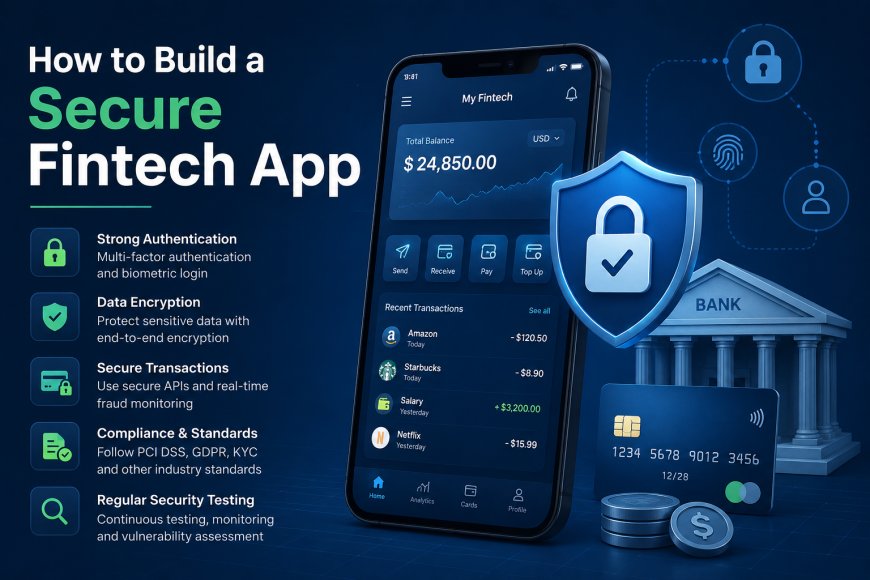
The fintech industry is growing faster than ever. More people now use mobile apps for banking, investing, insurance, lending, and digital payments. As the number of users increases, so do cyber threats. Hackers are constantly looking for weak points to steal financial information or money. That's why security is no longer an optional feature—it is the foundation of every successful fintech application.
If you're planning to build a fintech app in 2026, security should be part of your development process from day one. A secure app protects user data, builds customer trust, helps meet legal requirements, and keeps your business safe from costly cyberattacks.
In this guide, we'll explain the essential steps to build a secure fintech app using simple language that anyone can understand.
Why Security Matters in Fintech Apps
Every fintech application deals with highly sensitive information such as:
-
Personal identity details
-
Bank account information
-
Credit and debit card data
-
Transaction history
-
Investment records
-
Login credentials
A single security breach can damage your company's reputation and lead to financial losses. Strong Fintech Security helps businesses protect customer information while ensuring safe and reliable financial transactions.
Customers trust financial apps with their money. If they don't feel safe using your app, they'll quickly move to another platform.
Start with Security Planning
Security should never be added after development is complete. Instead, include security during the planning stage.
Before writing code, identify:
-
What type of financial services your app will provide
-
What user data will be stored
-
Possible security risks
-
Compliance requirements
-
Authentication methods
A trusted fintech app development company can help identify risks early and create a secure development roadmap that reduces future vulnerabilities.
Follow Industry Security Standards
Financial applications must follow strict regulations depending on the country and services offered.
Some common standards include:
-
PCI DSS for payment security
-
GDPR for user data protection
-
ISO 27001 for information security
-
SOC 2 compliance
-
KYC (Know Your Customer)
-
AML (Anti-Money Laundering)
These standards help businesses maintain strong Fintech Security while protecting customer information and meeting legal requirements.
Ignoring compliance can result in penalties, legal issues, and loss of customer trust.
Use Strong User Authentication
Passwords alone are no longer enough.
Modern fintech apps should include multiple authentication layers such as:
-
Multi-Factor Authentication (MFA)
-
Biometric login (Fingerprint or Face ID)
-
One-Time Passwords (OTP)
-
Device verification
These features make it much harder for attackers to access user accounts, even if passwords are stolen.
The easier you make secure login, the more users will trust your application.
Encrypt Sensitive Data
Encryption converts sensitive information into unreadable data that only authorized systems can access.
You should encrypt:
-
User passwords
-
Payment information
-
Personal documents
-
API communication
-
Stored customer data
Encryption should protect both:
-
Data in transit
-
Data at rest
This is one of the most important parts of Fintech Security because it keeps customer information safe even if hackers gain access to servers.
Build Secure APIs
Most fintech applications connect with banks, payment gateways, third-party services, and financial institutions through APIs.
Poorly secured APIs are one of the biggest causes of cyberattacks.
To secure your APIs:
-
Use authentication tokens
-
Validate every request
-
Limit API access
-
Monitor suspicious activity
-
Encrypt all API communication
Secure APIs protect both your business and your customers from unauthorized access.
Protect Against Common Cyber Threats
Cybercriminals continuously develop new attack methods.
Your fintech application should be protected against:
-
SQL Injection
-
Cross-Site Scripting (XSS)
-
Cross-Site Request Forgery (CSRF)
-
Brute force attacks
-
Malware
-
Phishing attempts
-
DDoS attacks
Regular vulnerability testing helps identify security weaknesses before hackers find them.
Monitor Suspicious Activity in Real Time
Security doesn't stop after launching the application.
Modern fintech platforms continuously monitor:
-
Unusual login attempts
-
Large financial transactions
-
Device changes
-
Suspicious locations
-
Multiple failed login attempts
Real-time monitoring allows businesses to detect fraud quickly and respond before major damage occurs.
Many companies also use Artificial Intelligence to improve fraud detection and strengthen Fintech Security.
Perform Regular Security Testing
Security testing should become a regular part of app maintenance.
Recommended testing includes:
-
Penetration Testing
-
Vulnerability Assessment
-
Security Audits
-
Code Reviews
-
API Testing
-
Cloud Security Testing
Testing helps developers discover hidden weaknesses and fix them before attackers exploit them.
Remember, cyber threats change constantly, so security updates should never stop.
Secure Cloud Infrastructure
Most fintech applications use cloud platforms because they offer better scalability and flexibility.
However, cloud services must also be protected.
Best practices include:
-
Strong access controls
-
Encrypted cloud storage
-
Secure backups
-
Identity management
-
Firewall protection
-
Continuous monitoring
A secure cloud environment improves overall Fintech Security and ensures business continuity even during unexpected incidents.
Keep Your Application Updated
Outdated software creates security risks.
Always update:
-
Operating systems
-
Development frameworks
-
Third-party libraries
-
APIs
-
Security certificates
Software updates often fix newly discovered vulnerabilities before hackers can exploit them.
Automatic updates also reduce maintenance efforts.
Educate Your Users
Even the most secure application cannot prevent every mistake made by users.
Help customers stay safe by encouraging them to:
-
Create strong passwords
-
Enable multi-factor authentication
-
Avoid public Wi-Fi for financial transactions
-
Never share OTPs
-
Keep their devices updated
-
Report suspicious activities immediately
User awareness adds another layer of protection to your application.
Work with an Experienced Development Partner
Building a secure fintech app requires expertise in software development, cybersecurity, compliance, cloud infrastructure, and financial regulations.
Choosing an experienced fintech app development company ensures your application is designed with security at every stage of development instead of treating it as an afterthought.
Companies like Nimble AppGenie specialize in building secure, scalable, and user-friendly fintech applications that meet modern industry standards. Their development approach focuses on performance, compliance, and long-term security.
Whether you're launching a digital wallet, lending platform, payment application, or investment solution, Nimble AppGenie helps businesses build products that customers can trust.
Conclusion
As fintech continues to evolve in 2026, security has become one of the biggest factors behind an application's success. Users expect fast transactions, but they also expect complete protection for their personal and financial information.
By implementing strong authentication, data encryption, secure APIs, continuous monitoring, regular testing, and industry compliance, businesses can create applications that are both secure and reliable.
Investing in Fintech Security from the beginning not only protects your customers but also strengthens your brand reputation and supports long-term business growth. Working with experienced experts like Nimble AppGenie can make the development process smoother while ensuring your fintech app is built to handle today's security challenges and tomorrow's evolving cyber threats.
What's Your Reaction?