
































How Van Conversions Changed Life on the Road
A few years ago, turning a cargo van into a tiny home felt like a niche hobby. Today, van conversions have become one of the fastest-growing trends across the United States, drawing in travelers, remote workers, and families who want freedom without a hefty mortgage.

A few years ago, turning a cargo van into a tiny home felt like a niche hobby. Today, van conversions have become one of the fastest-growing trends across the United States, drawing in travelers, remote workers, and families who want freedom without a hefty mortgage.
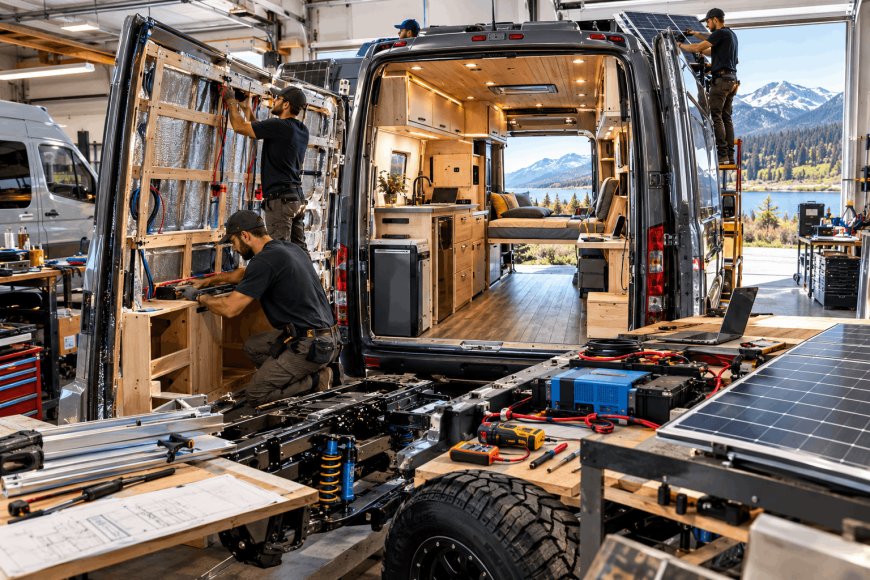
The idea is simple. Take an empty van, add insulation, power, a bed, and a small kitchen, and you have a mobile living space. The execution, though, is where things get interesting. A good build balances comfort, safety, and the realities of driving a heavier vehicle down the highway.
Why So Many People Are Building Out Vans
The appeal usually starts with cost. Housing prices and rent keep climbing, so a van offers a way to live and travel for far less. For others, it's about work. With remote jobs now common, a converted van becomes a rolling office with a view that changes daily.
There's also a strong sense of community behind the movement. Online forums, meetups, and social media groups share wiring diagrams, layout ideas, and hard-earned lessons. That shared knowledge has helped push van conversions from a fringe project into a genuine lifestyle choice.
What Actually Goes Into a Build
A conversion is more than a mattress in the back. Builders think about weight distribution, ventilation, electrical load, and water storage long before they pick paint colors.
Electrical systems often cause the most headaches. Solar panels, a battery bank, and an inverter need to work together without overloading the setup. Insulation matters too, since a metal box heats up fast in summer and loses warmth quickly in winter.
Then there's the structural side. Adding heavy gear, roof racks, or a raised sleeping platform shifts how the van carries weight. In some builds, frame modifications become necessary to support extra loads or to fit features like a rear garage or pop-top roof.
Safety Comes Before Style
It's tempting to focus on the finishes, but the chassis does the real work. Poorly planned frame modifications can affect handling, braking, and even insurance coverage. That's why many builders consult a certified mechanic before cutting or welding anything structural.
A quick rule of thumb: if a change touches the frame, suspension, or weight rating, get a professional opinion first. The savings from a DIY shortcut rarely outweigh the risk.
The Real Benefits of Going Mobile
Flexibility tops the list. Owners can chase good weather, follow seasonal work, or simply park near a trailhead for the weekend. Nothing ties them to a single zip code.
Cost control is another big draw. Once the build is paid off, monthly expenses often drop well below traditional housing. Fuel, maintenance, and campsite fees replace rent and utility bills.
There's also the matter of simplicity. Living in a smaller space forces people to keep only what they use. Many van dwellers say the lifestyle reshaped how they think about ownership and clutter.
How People Actually Use Their Vans
The uses vary as much as the builds. A young couple might spend a year exploring national parks across the United States, working online from campgrounds and coffee shops along the way.
Weekend adventurers take a different approach. Their vans stay parked during the week, then hit mountain roads or coastal highways every Friday. For them, the conversion is a gateway to shorter, more frequent escapes.
Then there are the full-timers. Retirees, freelancers, and seasonal workers often treat the van as a primary home. Their setups tend to be more detailed, with upgraded electrical systems and reinforced builds that hold up to daily use.
Shops that handle custom and heavy-duty work, such as Hudson Automotive Repair & Service, often see these vans come through for inspections once a build is complete. A trained eye can catch weight or structural issues that a home builder might miss.
Common Mistakes Worth Avoiding
New builders tend to underestimate weight. Every cabinet, tank, and appliance adds up, and exceeding the van's rated capacity creates safety and legal problems.
Another frequent error is skipping proper ventilation. Without a roof vent or window setup, moisture builds up fast, leading to mold and condensation. A little planning here saves major repairs later.
A Lifestyle That Keeps Growing
Van conversions show no sign of slowing down across the United States. As more people look for affordable, flexible ways to live and travel, the demand for smart, safe builds keeps rising.
The key takeaway is balance. A well-built van blends comfort with sound engineering, and the best projects treat safety as the foundation rather than an afterthought. For anyone considering the leap, research and a solid plan go a long way.
Frequently Asked Questions
How much does a van conversion cost?
Costs vary widely based on the van and features. Simple builds can run a few thousand dollars, while fully equipped conversions often reach $30,000 or more.
Do van conversions require special permits or inspections?
It depends on the state. Some areas require re-titling or inspections, especially when structural or electrical changes are involved. Check local regulations first.
Are frame modifications safe for a converted van?
They can be, when done by a qualified professional. Changes to the frame affect handling and weight limits, so proper engineering and inspection are essential.
How long does a typical van conversion take?
A basic build might take a few weekends, while a detailed full-time setup can take several months, depending on skill level and complexity.
Can you live in a converted van year-round?
Yes, many people do. Good insulation, ventilation, and a reliable heating or cooling system make year-round living comfortable in most climates.
What's Your Reaction?