
































Why Do Leather Vests Crack After Years of Riding?
Leather vests can crack after years of riding due to repeated sun exposure, dryness, sweat buildup, and lack of proper conditioning. Regular cleaning, moisturizing, and proper storage help prevent cracking while maintaining the vest’s flexibility, appearance, and durability.

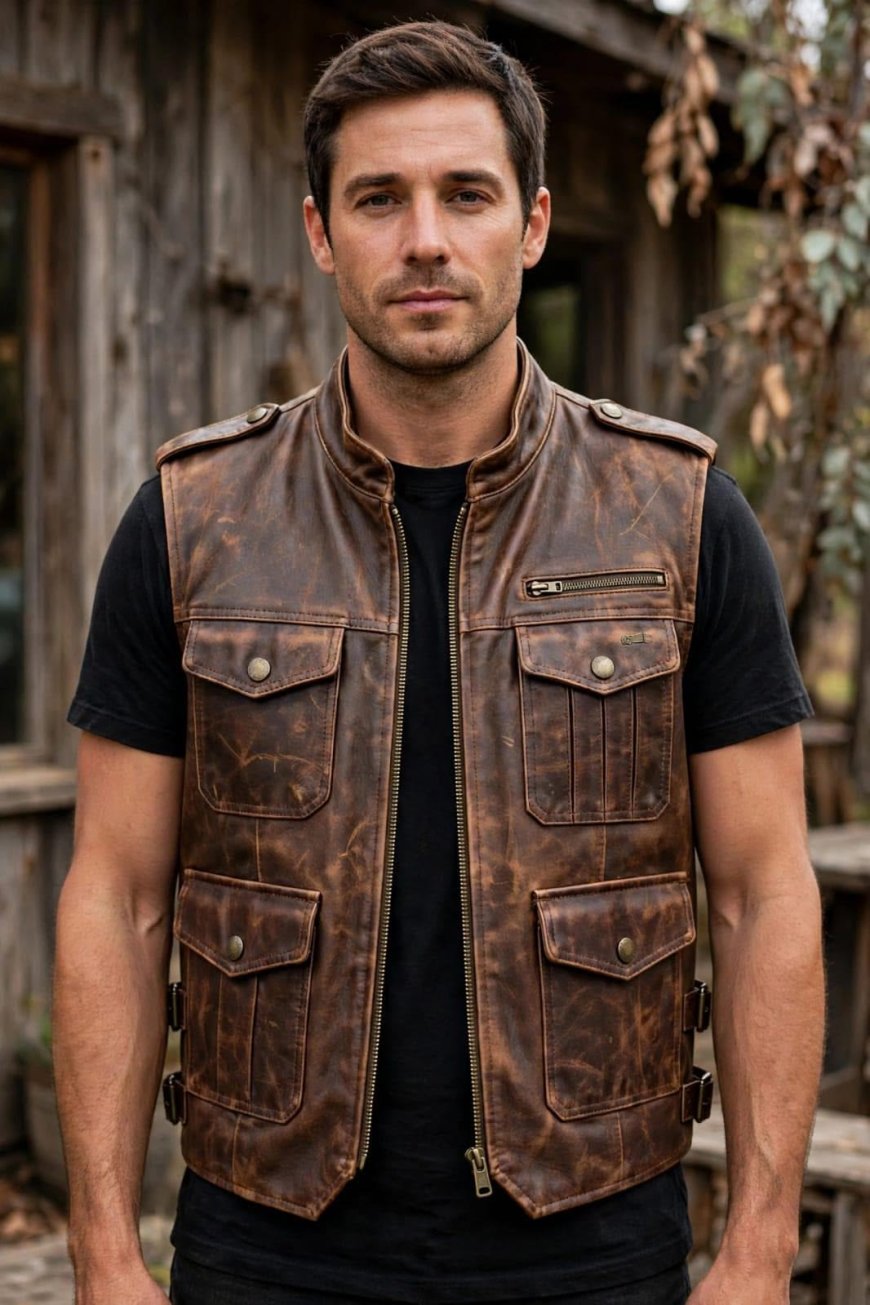
Leather vests can develop cracks after years of riding because the material is constantly exposed to movement, heat, sunlight, sweat, road dust, moisture, and repeated drying. Leather is durable, but it is still a natural material that gradually changes as its internal oils are lost and its fibers become less flexible. The first signs are often subtle, such as dryness around the waist, armholes, collar, or pocket edges, followed by fine surface lines that become more visible each time the leather bends.
Cracking does not normally happen because of age alone. A well-maintained vest can remain flexible for many years, while a neglected one may begin deteriorating much earlier. How the vest is stored, cleaned, dried, conditioned, and worn all influence how quickly cracks appear. The areas that bend the most usually show damage first because dry leather cannot tolerate repeated flexing as well as healthy, supple leather.
Leather Gradually Loses Natural Oils
Leather remains flexible partly because oils within the material allow its fibers to move against one another. Over time, exposure to air, heat, sunlight, cleaning, and everyday wear gradually reduces those oils. As the leather becomes drier, it loses some of its ability to bend smoothly.
A mens leather motorcycle vest may still look strong from a distance while the surface is becoming progressively less flexible. Each ride continues bending the same waist, shoulder, and armhole areas, so small dry lines can deepen with repeated movement. Once the surface begins splitting, conditioner can improve surrounding dryness but cannot truly restore fibers that have already cracked.
Sunlight Speeds Up Leather Aging
Long-term UV exposure is one of the biggest contributors to leather deterioration. A vest worn regularly in bright sunlight receives repeated exposure across the shoulders, chest, and upper back, where the sun hits most directly.
UV radiation can gradually weaken leather finishes and contribute to pigment fading and dryness. Black leather may begin looking gray or dull before cracks become visible. Riders who leave their vest hanging in direct sunlight when they are not riding add even more exposure, so shaded storage can make a meaningful difference over the garment's life.
Heat Can Make Dryness Worse
Motorcycle riders often expose leather to high temperatures from summer weather, direct sun, hot vehicle interiors, and warm storage areas. Heat encourages moisture and oils to leave the leather more quickly.
The effect is particularly damaging when heat is used intentionally to dry a wet vest. Placing leather next to a radiator, heater, hair dryer, or other concentrated heat source can make it stiff and brittle. Repeated heat exposure creates conditions where cracks form more easily during the next round of normal riding movement.
Repeated Flexing Creates High-Stress Areas
A leather vest bends in nearly the same places every time it is worn. The waist folds while sitting, the shoulder panels move when the rider reaches for the handlebars, armholes flex with every steering movement, and pocket edges distort whenever items are inserted or removed.
Healthy leather can tolerate this movement for a long time, but dry leather cannot. Once flexibility decreases, repeated bending concentrates stress along existing crease lines. Fine surface damage may eventually develop into deeper cracks, especially where several years of riding have created permanent folds.
Waist Creases Can Become Cracking Points
The lower front of the vest experiences repeated compression whenever the rider sits. Over time, horizontal and diagonal creases form where the leather naturally bends.
These creases are normal until the leather around them becomes dry. A healthy crease remains smooth and flexible, while a damaged one begins looking lighter, rougher, or sharply split along the fold. Riders should therefore pay attention to changes in texture around long-established waist lines rather than treating every crease as damage.
Armholes and Collar Edges Dry Faster
Edges often crack before broad flat panels because they receive more movement, friction, body heat, and environmental exposure. Armholes rub against clothing and move constantly, while collars collect sweat, body oils, and sunlight.
These areas may also be cut from thinner or more exposed sections of leather. If the vest begins showing small cracks along the edge before the main body is affected, it usually means the area has lost flexibility and needs closer inspection.
Sweat Can Contribute to Dryness Over Time
Sweat contains water, salts, and body oils that can build up around the collar, upper back, chest, and armholes. When sweat repeatedly dries inside or against the leather, the remaining salt can contribute to stiffness and surface dryness.
This is particularly relevant on a womens leather biker vest worn frequently in hot weather or stop-and-go traffic. The solution is not to condition over sweat residue, because that can trap contamination. The leather should be cleaned appropriately first, dried fully, and then evaluated for actual dryness.
Road Salt and Dust Add More Stress
Road grime does not only make leather look dirty. Fine grit can become abrasive, while winter road salt can leave mineral residue that contributes to dryness and hardware corrosion.
Dust often settles into creases, seams, pocket edges, and other areas already experiencing movement. If the vest continues flexing with abrasive particles trapped on the surface, fine wear can develop faster. Regular light cleaning is therefore part of crack prevention, especially for riders who use the same vest in dusty or salted conditions.
Rain Is Usually Less Damaging Than Improper Drying
Getting caught in rain does not automatically ruin a leather vest. The greater danger comes afterward if the soaked leather is dried too quickly or stored while damp.
Wet leather becomes softer and more vulnerable to stretching, while rapid heat drying can remove moisture unevenly and leave the material stiff. Repeated cycles of soaking and aggressive drying can eventually make the leather more brittle. A soaked vest should be emptied, gently reshaped, supported correctly, and allowed to dry slowly at room temperature.
Over-Conditioning Can Also Weaken Structure
Dry leather needs appropriate care, but more conditioner does not always mean better protection. Repeated heavy applications can make the leather overly soft, greasy, and less structurally stable.
An over-conditioned vest may develop deeper folds around the waist, stretched pocket openings, or softer areas that no longer hold their original shape. Good leather care aims for flexibility without saturation. Conditioner should be used when the material genuinely feels dry, not simply according to a frequent fixed schedule.
Harsh Cleaning Products Can Strip the Leather
Household detergents, strong alcohol-based cleaners, bleach, and other aggressive products can remove oils and damage leather finishes. The surface may look clean afterward but become noticeably drier.
Repeated harsh cleaning makes cracking more likely because the leather loses the components that help it flex. Motorcycle leather should be cleaned with methods suitable for its specific finish. The goal is to remove contamination while preserving the material, not to strip it completely.
Poor Storage Can Speed Up Cracking
A vest stored for months in a hot attic, damp basement, garage, or direct sunlight is exposed to conditions that can shorten leather life even when it is not being worn.
Heat encourages dryness, humidity can lead to mildew, and tightly folded storage creates deep crease lines. A broad hanger in a cool, dry, shaded location allows the leather to rest in a more natural shape. Long-term storage should reduce stress rather than continuing it.
Folding the Vest in the Same Place Creates Weak Lines
Leather should not remain sharply folded across the waist or chest for extended periods. A repeated storage fold can eventually become a permanent crease.
If that area also becomes dry, it may crack sooner than surrounding panels because every future riding movement follows the same weakened line. Hanging storage generally avoids this problem better than keeping the vest folded under other clothing.
Pocket Weight Can Stretch and Stress Dry Leather
Heavy phones, wallets, keys, or tools pull on the leather around pockets every time the vest is worn. This can stretch corners, distort openings, and increase tension around stitching.
When the leather is already dry, these stressed areas are more likely to develop fine cracks. Lower pocket corners are particularly vulnerable because they carry both the weight of the object and the movement of the rider's torso. Keeping pocket loads light helps preserve both shape and surface integrity.
Hardware Can Create Local Stress
Snaps, zippers, eyelets, and buckles create points where leather is cut, folded, or compressed around metal components. These areas naturally experience more concentrated stress.
If the surrounding leather becomes dry, cracks may begin around snap holes or along zipper edges. A loose snap can make the problem worse by moving against the material every time it is used. Hardware and the leather supporting it should therefore be inspected together.
Patches Can Change How the Back Panel Ages
Patch-heavy vests develop different stress patterns because embroidery and backing materials make parts of the back panel stiffer. The leather around patch borders may flex more than the covered area.
Over many years, these differences can create distinct crease or wear lines around the edges. Patch stitching also introduces many small holes into the leather, so maintaining healthy flexibility around those areas is important. Conditioner should be applied carefully to exposed leather rather than saturating the patches themselves.
Cracking Is Different From Normal Patina
Older leather naturally develops wrinkles, creases, surface variation, and color changes. These are not necessarily signs of damage.
Healthy patina remains flexible and smooth even when the surface looks aged. Cracking is more serious because the leather fibers or finish are actually splitting. The difference becomes clearer when the material is bent gently: normal creases move with the leather, while cracks remain sharp and may open wider.
Early Cracks Often Appear as Fine Light Lines
The first signs of cracking can be easy to miss. Riders may notice pale lines appearing along waist folds, pocket corners, armholes, or edges where the surface bends repeatedly.
If the line feels smooth and disappears when the leather relaxes, it may simply be a crease. If it feels rough, remains visible, or begins widening, the leather may be developing true surface damage. Early identification gives the rider a chance to improve care before the surrounding area deteriorates further.
Deep Cracks Cannot Be Reversed With Conditioner
Conditioner can improve dry leather around a damaged area, but it cannot fuse split fibers back together. This is why waiting until the leather cracks before beginning maintenance is not ideal.
Deep damage may require professional repair, reinforcement, or replacement of a leather panel depending on severity. Adding heavy amounts of conditioner to a cracked section can make it oily without restoring its strength.
Can Old Leather Still Be Saved Before It Cracks?
Leather that feels dry or stiff but has not yet split can often respond well to careful cleaning and appropriate conditioning. The key is addressing dryness before structural damage begins.
Start by removing dirt and residue, allow the vest to dry completely, and then apply a small amount of suitable conditioner if needed. The leather should become more flexible without feeling greasy. Several light, spaced treatments are generally safer than trying to saturate very dry leather in one session.
Do Not Try to Soften Old Leather With Water
Soaking dry leather is not a safe way to make it flexible again. Water may temporarily soften the material, but drying can leave it even stiffer if the leather is already dehydrated.
The vest may also shrink or distort if drying is uncontrolled. Proper leather-care products and gradual treatment are much safer than using water as a softening method.
A Regular Inspection Helps Prevent Major Damage
Cracking usually gives warning signs before the leather becomes severely damaged. Riders should inspect the vest periodically, especially if it is several years old.
Look at the waist creases, collar, armholes, pocket corners, snap attachment points, zipper edges, side laces, and patch borders. These areas experience more stress than the center of large flat panels. Catching roughness or dryness early makes maintenance much easier.
When Should Cracked Leather Be Professionally Inspected?
Professional leather repair is worth considering when cracks become deep, spread around structural seams, develop near front closures, or expose lighter internal fibers. Damage around shoulders, armholes, zippers, and heavily loaded pockets deserves particular attention because those areas continue carrying stress during riding.
A leather specialist can determine whether the surface needs stabilization, reinforcement, panel replacement, or whether the garment has simply reached the end of its practical life. Older patched vests may still be worth repairing because of their personal value, but structural safety should take priority over appearance.
Conclusion
Leather vests crack after years of riding because the material gradually loses flexibility while continuing to experience the same bending, heat, sunlight, sweat, moisture, road grime, and mechanical stress. Waist creases, collar edges, armholes, pocket corners, hardware points, and patch borders usually show damage first because those areas move or carry more load than broad flat panels.
The best way to slow cracking is to preserve balanced flexibility rather than constantly adding conditioner. Keep the vest clean, let it dry naturally after moisture exposure, protect it from excessive heat and sunlight, avoid overloading pockets, and condition only when the leather genuinely feels dry. Normal wrinkles and patina are part of leather aging, but rough lines, splitting, or widening cracks should be addressed before they develop into structural damage.
For riders looking for leather motorcycle vests designed for regular road use and long-term wear, Unik International offers options for different riding styles, fits, and everyday needs. Contact Unik International to explore available styles and choose a vest that can age naturally while remaining comfortable and practical through years of riding.
What's Your Reaction?