




























9 Things to Check Before Booking an Under-Construction Property in Gurgaon
Planning to buy an under-construction property in Gurgaon? Check these 9 essential factors, including RERA approval, builder reputation, payment plans, possession timelines, construction quality, and legal documents before booking.

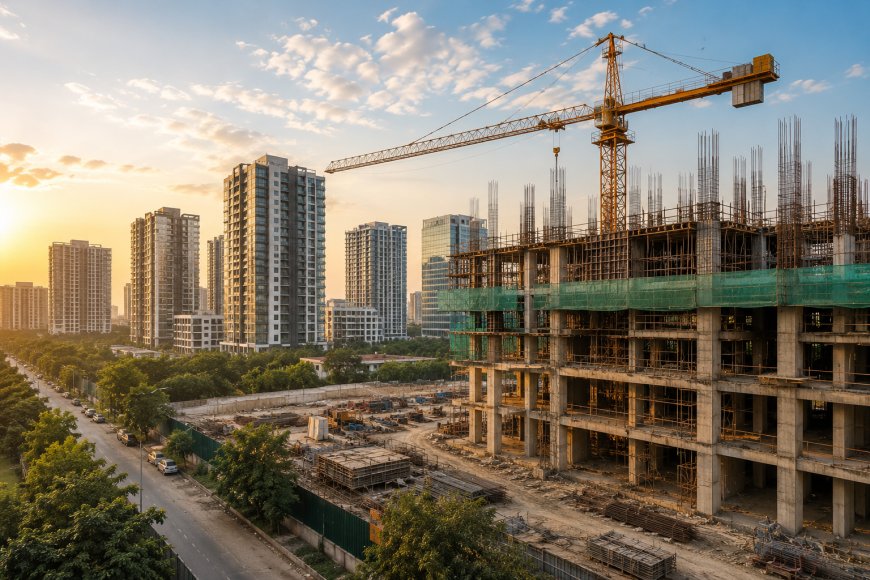
Buying an under-construction home in Gurgaon can be exciting. New launches often come with modern amenities, better payment options, contemporary layouts and the opportunity to choose from multiple units.
But a glossy brochure and an impressive sample apartment only tell part of the story.
Before paying a booking amount, buyers should spend some time understanding the project, the developer, the paperwork and the actual cost of ownership.
If you are considering an under-construction property in Gurgaon, here are nine checks worth making before you commit.
1. Verify the Project's RERA Details
This should be one of your first checks. For eligible projects in Gurgaon, look up the project's registration details with the Haryana Real Estate Regulatory Authority (HRERA).
Don't simply rely on a RERA number printed on a brochure. Verify the project independently and check whether the project name, promoter, phase and other available details match what is being offered to you.
This is especially important in large developments where different phases may have separate registrations. RERA verification does not tell you whether a property is the right investment for you, but it gives you an important regulatory starting point for further due diligence.
2. Research the Developer Beyond the Current Project
A new project may look impressive on paper, but what has the developer delivered before?
Look at completed developments where possible. Check factors such as:
- Construction quality
- Delivery history
- Maintenance of completed projects
- Specifications actually delivered
- Resident experience
- Overall developer reputation
Visiting an older completed project can sometimes tell you more about a developer than spending an hour inside a new sales gallery.
The question isn't simply, “Is this a well-known developer?”
A better question is:
“What has this developer actually delivered?”
3. Don't Judge the Location Only by Distance
A project may be advertised as being “10 minutes from” an important landmark, but real-world connectivity can be very different.
Drive around the area yourself. Check how easily you can reach:
- Your workplace
- Major roads
- Schools
- Hospitals
- Shopping areas
- Public transport
- Airport routes
- Daily necessities
Also check what the area feels like during peak traffic hours.
In Gurgaon, even two projects separated by a relatively short distance can offer very different everyday connectivity depending on road access and surrounding infrastructure.
4. Separate Existing Infrastructure From Proposed Infrastructure
This is particularly important when evaluating emerging areas. A future expressway connection, metro corridor, commercial hub or infrastructure project can strengthen the long-term potential of a location.
But buyers should distinguish between:
Infrastructure that already exists
and
Infrastructure that has been proposed or is under development.
Don't base your entire investment decision on a future announcement. Ask what connectivity and social infrastructure you would have if you had to live in the location today. Then treat future development as potential upside rather than guaranteed value.
5. Understand the Carpet Area, Not Just the Big Number
Property brochures can contain several area figures. For buyers, the important question is simple:
How much usable space am I actually getting?
Look carefully at the carpet area and floor plan. Study:
- Bedroom dimensions
- Living and dining areas
- Kitchen size
- Storage
- Passage space
- Balcony configuration
- Furniture placement
A well-designed apartment can sometimes feel larger and more comfortable than another home with a bigger headline area but an inefficient floor plan.
When comparing two properties, compare their layouts—not just their advertised sizes.
6. Calculate the Real Cost of the Property
Suppose you see an apartment advertised at an attractive starting price. That does not necessarily mean that is the final amount you will pay. Ask the developer for a detailed cost sheet.
Depending on the property and transaction, your overall budget may need to account for additional applicable charges and statutory costs. Before booking, calculate the amount you may need at different stages rather than focusing only on the initial booking amount.
This is particularly important when using a home loan. Your question should not be:
“Can I afford the booking amount?”
It should be:
“Can I comfortably afford the complete purchase?”
7. Understand the Construction and Possession Timeline
One of the attractions of an under-construction property is that payments are usually spread across the development period.
But this also means your money may remain committed for several years before you receive possession. Understand:
- Current construction stage
- Declared project timeline
- Payment milestones
- Expected possession
- Your own housing requirements during construction
If you are currently renting a home while paying a home-loan EMI, for example, a longer construction period can significantly affect your financial planning.
Don't look at possession only as a date. Look at it as part of your overall financial strategy.
8. Read the Agreement Before You Sign It
Buyers often spend hours choosing the right tower, floor and view but considerably less time understanding the agreement.
The paperwork deserves equal attention. Before signing, review important terms relating to areas such as:
- Payment obligations
- Possession
- Cancellation
- Delays
- Charges
- Specifications
- Rights and responsibilities
Ask questions about anything you don't understand. For a high-value transaction, obtaining independent professional or legal advice can also be worthwhile. Never assume that something discussed verbally will automatically become part of your contractual agreement.
9. Ask Yourself Why You're Buying
This sounds obvious, but it changes how you should evaluate a property. Are you buying the home to:
Live in it?
Then lifestyle, commute, schools, hospitals, floor plan, open spaces and community may matter most.
Earn rental income?
Then tenant demand, employment hubs, connectivity, unit configuration and rental economics become more important.
Hold it as a long-term investment?
Then entry price, developer quality, infrastructure development, future supply and long-term demand deserve greater attention.
A project can be excellent for an end-user and less attractive for a short-term investor—or the other way around. There is no universally “best property.” There is a property that fits your objective better than the alternatives.
A Simple Checklist Before Paying the Booking Amount
Before you make the payment, you should ideally be able to answer these questions:
- Have I independently checked the project's RERA details?
- Do I know the legal promoter behind the project?
- Have I researched the developer's previous projects?
- Have I personally evaluated the location?
- Do I know which infrastructure already exists and which is proposed?
- Do I understand the carpet area and floor plan?
- Have I calculated the complete property cost?
- Do I understand the construction and possession timeline?
- Have I read the important booking and agreement terms?
- Does this property actually match my reason for buying?
If several answers are still “no,” there is probably more research to do.
What About RERA Verification?
RERA verification deserves particular attention because it is one of the few checks buyers can perform using regulatory project information.
For property in Haryana, buyers can review relevant information through HRERA and compare it with the details being communicated during the sales process.
However, RERA registration should be understood correctly. It is an important regulatory requirement for applicable projects, but it should not replace broader due diligence around the developer, property documents, location, pricing and your personal financial situation.
If you are unfamiliar with the process, this detailed RERA Haryana (HRERA) guide for homebuyers explains how the framework works, what buyers should verify and why it matters before purchasing a home.
Final Thoughts
Buying an under-construction property in Gurgaon shouldn't be a decision made after a single site visit. Visit the location more than once. Compare competing projects. Study the floor plan. Understand the actual cost. Research the developer. Check the regulatory information. Read the paperwork.
And don't allow artificial urgency to replace due diligence. A sales offer may last a few days. Your home loan can last twenty years. Taking a little more time before booking is often one of the smartest decisions a property buyer can make.
What's Your Reaction?