































Maxillofacial Surgery vs Oral Surgery: What Is the Difference?
Explore key differences between maxillofacial surgery and oral surgery. Learn about procedures, scope, and how to choose the right specialist today.

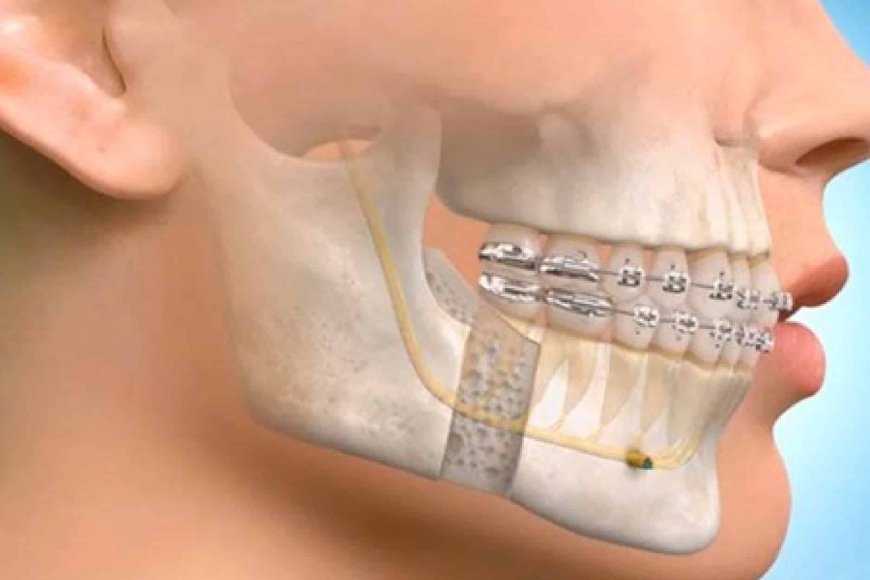
A condition affecting the teeth, mouth, jaw or face may sometimes require surgical treatment. The type of surgery depends on the area involved, the nature of the problem and how much surrounding tissue is affected. Understanding the scope of the specialist involved can make the treatment pathway clearer.
Oral surgery often focuses on procedures involving the teeth and tissues within the mouth, while maxillofacial surgery can extend to the jaws, face and related structures. Knowing the difference can help you understand which type of surgical care may be considered for your condition.
What Is Maxillofacial Surgery?
Maxillofacial Surgery involves diagnosing and surgically treating conditions affecting the mouth, jaws, face and related structures. In India, it forms part of the recognised speciality of Oral and Maxillofacial Surgery and covers various oral, jaw and facial conditions. Treatment may include procedures for jaw alignment, facial injuries, impacted teeth and cysts. The chosen procedure depends on the area involved, clinical findings, and individual treatment needs.
What Is Oral Surgery?
Oral surgery generally refers to surgical procedures involving the teeth, gums, jawbone and tissues within the mouth. It can include tooth extraction, impacted tooth procedures, dental implant placement and treatment of certain oral cysts. Oral surgery and maxillofacial care can overlap because both may involve the mouth and jaws. The main distinction is scope: maxillofacial care can extend to wider facial structures.
How Do Oral Surgery And Maxillofacial Surgery Differ?
Oral surgery has a more focused scope within the mouth, while maxillofacial care can extend to the jaws, face and related structures. Key differences include:
|
Area |
Oral Surgery |
Maxillofacial Surgery |
|
Treatment Area |
Mainly teeth, gums, jawbone and oral tissues |
Mouth, jaws, face and related structures |
|
Common Procedures |
Tooth extraction, impacted tooth procedures and dental implants |
Jaw procedures and facial injury treatment |
|
Scope Of Care |
Mainly surgical care within the mouth |
Wider jaw and facial care |
|
Treatment Need |
Often involves teeth and surrounding tissues |
May involve jaw or facial structures |
The distinction mainly relates to the area and scope of treatment, while both fields can overlap in oral and jaw care.
What Procedures Can Oral And Maxillofacial Surgery Include?
The procedure depends on the affected area, diagnosis and individual treatment plan. Examples include:
- Tooth Extraction: Surgeons may remove teeth requiring surgical care, including certain impacted teeth.
- Dental Implants: Implant surgery places an artificial tooth root in the jawbone to support a replacement tooth.
- Jaw Surgery: Corrective procedures can improve jaw alignment and support biting and chewing.
- Facial Injury Treatment: Surgery can help restore the position and function of facial bones.
- Cyst Treatment: Surgeons can assess and treat certain cysts affecting the mouth or jaws.
These procedures address different treatment needs involving oral, jaw and facial structures.
When Might Oral and Maxillofacial Surgical Care Be Considered?
A healthcare professional may recommend a specialist assessment for conditions involving the mouth, jaws or face, such as:
- Impacted Teeth: Assessment can determine suitable care for teeth that remain partly or fully beneath the gum.
- Jaw Alignment: Specialist assessment can identify suitable care for jaw alignment and function.
- Dental Implant Placement: Implant surgery can form part of planned tooth replacement.
- Facial Injuries: Specialist evaluation can determine appropriate care for injuries involving facial bones or jaws.
- Oral Or Jaw Cysts: Clinical assessment can determine suitable management for certain oral or jaw cysts.
Professional assessment helps determine the condition and suitable type of care.
How Specialists Choose the Right Surgical Approach
The surgical approach depends on the area involved, the type of condition and the extent of treatment required. Specialists also review symptoms, medical and dental history, examination findings and treatment goals before recommending a procedure.
Imaging or other investigations may be used to assess the teeth, jaws, facial bones and surrounding tissues. If the condition involves the jaws or wider facial structures, maxillofacial surgery may be considered as part of the treatment plan. The final approach depends on the diagnosis and the patient's clinical needs.
Conclusion
Oral surgery generally focuses on procedures involving the teeth and tissues within the mouth, while maxillofacial care can extend to the jaws, face and related structures. These areas can overlap and form part of oral and maxillofacial surgery in India. Appropriate care depends on the affected area, diagnosis and individual needs. A qualified healthcare professional can assess the condition and recommend a suitable treatment approach according to each patient’s specific care requirements and goals.
What's Your Reaction?