





























Building Equipment Lifecycle Management: Maintenance & Safety
Learn how to manage building equipment with planned maintenance, safety inspections, cost control, and reliable specialist support.

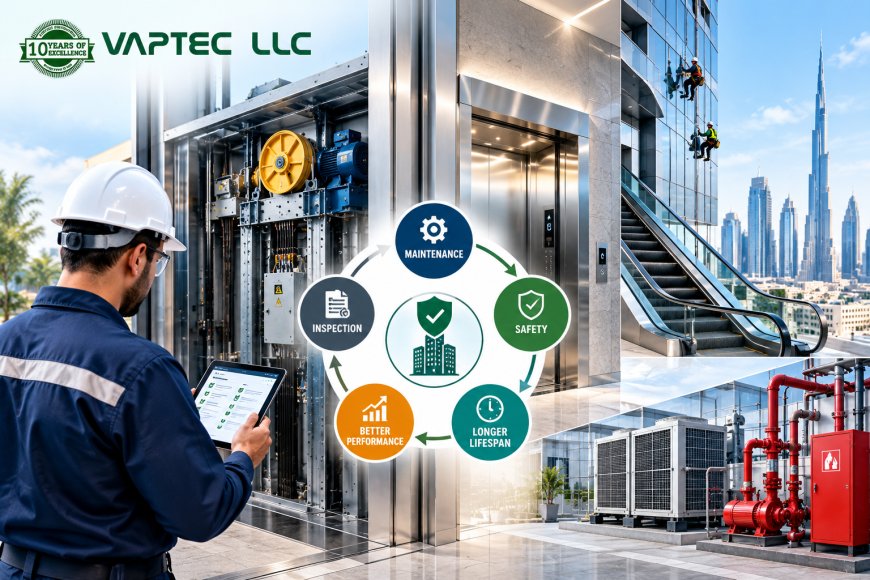
Managing Building Equipment Throughout Its Working Life
Buildings rely on elevators, façade access systems, escalators, and overhead cranes to keep daily operations running. Each asset serves a different purpose, but equipment failures can disrupt access, delay work, and increase operating expenses.
Facility managers need to look beyond immediate repairs. A lifecycle plan connects maintenance records, operating conditions, replacement schedules, and future budgets so teams can make informed decisions before problems become urgent.
Calculating the True Cost of Equipment Ownership
The initial purchase price rarely reflects the full cost of owning building equipment. Energy consumption, scheduled servicing, replacement components, emergency repairs, and operational downtime all contribute to expenditure over time.
Managers should track these costs separately and review their trends. A component that requires frequent replacement may justify a closer engineering assessment, even when each individual repair appears affordable.
Building an Accurate Register of Installed Assets
A reliable asset register helps teams identify equipment, retrieve technical information, and organise maintenance responsibilities. Without complete records, managers may struggle to confirm component specifications or determine whether technicians have addressed previous faults.
Include the following details in each record:
● Manufacturer, model, and equipment identification.
● Installation date and available technical documentation.
● Maintenance history and inspection findings.
● Fault reports and replaced components.
● Warranty terms and service provider details.
Update the register whenever technicians complete significant work or change equipment components.
Prioritising Assets According to Operational Risk
Different assets carry different operational consequences when they fail. A passenger elevator in a busy hotel, a suspended platform on a high-rise building, and an overhead crane in a manufacturing facility each require a distinct risk assessment.
Managers should consider equipment condition, frequency of use, potential safety consequences, and the impact of downtime. These factors help teams prioritise inspections and maintenance expenditure according to actual operational needs.
Comparing Maintenance Approaches for Building Assets
Reactive maintenance addresses faults after they occur. Preventive maintenance follows planned intervals, while predictive maintenance uses condition data to help identify developing problems before failure.
No single approach suits every asset. Managers should consider manufacturer recommendations, equipment criticality, available monitoring technology, and the consequences of failure when selecting a maintenance strategy.
Selecting Contractors with Relevant Technical Experience
Specialist equipment requires appropriate technical knowledge, suitable tools, and access to relevant documentation. Before awarding a maintenance contract, managers should confirm that the provider understands the installed equipment and can perform the required work safely.
For facilities operating compatible equipment, York Elevator Services may be a relevant consideration. Managers should verify the actual service scope, equipment compatibility, and provider qualifications rather than assume that all elevator contractors support every manufacturer.
Defining Responsibilities Within Maintenance Agreements
A maintenance agreement should explain which tasks the contractor will perform, how technicians will report faults, and who will approve additional repairs. Clear responsibilities help prevent confusion when inspections reveal defects outside the original scope.
When evaluating Elevator technicians Dubai, property managers should examine relevant experience, qualifications, safety procedures, response arrangements, and service documentation. They should also establish how contractors will communicate urgent findings and unresolved issues.
Scheduling Repairs Around Occupied Buildings
Maintenance work can affect residents, office employees, hotel guests, and industrial operations. Facility teams should coordinate planned servicing with building schedules and communicate temporary restrictions before technicians begin work.
For critical equipment, managers should arrange appropriate access alternatives and emergency contacts. They should never allow unsafe equipment to remain operational simply to avoid disruption.
Maintaining Façade Access Systems Safely
Building maintenance units and suspended platforms enable workers to inspect, clean, and repair exterior surfaces. Their safe operation depends on equipment condition, suitable training, approved procedures, and inspections appropriate to the installation.
Managers should keep inspection records current, address reported defects, and ensure that qualified personnel perform servicing. They should also reassess access arrangements when building conditions or maintenance requirements change.
Investigating Repeated Elevator Performance Problems
Recurring elevator faults can reveal issues that individual repair visits fail to resolve. Repeated door failures, unexplained shutdowns, or frequent component replacements warrant a closer review of the equipment's service history.
Managers should ask technicians to identify possible underlying causes and document their findings. This evidence supports decisions about further repairs, component upgrades, or a wider modernization assessment.
Controlling Maintenance Requirements for Overhead Cranes
EOT cranes support material handling in workshops, warehouses, and industrial facilities. Their maintenance needs depend on lifting frequency, operating loads, environmental conditions, and the demands of each application.
Teams should follow equipment-specific inspection and servicing procedures, report defects promptly, and maintain accurate records. Only authorised personnel should operate or service equipment within their assigned responsibilities.
Forecasting Replacement Costs Before Equipment Deteriorates
Ageing equipment can eventually require extensive repairs or replacement when suitable components become difficult to obtain. Managers should monitor repair frequency, equipment condition, technical support availability, and expected future demand.
A replacement forecast gives organisations time to evaluate alternatives and allocate budgets across financial periods. It also reduces the pressure to make rushed purchasing decisions after a major failure.
Measuring Maintenance Performance with Useful Indicators
Consistent performance measures help teams evaluate maintenance activities and identify areas for improvement. Useful indicators include unplanned downtime, repeat faults, scheduled maintenance completion, repair expenditure, and outstanding corrective actions.
Managers should interpret these figures in context. Frequent repairs may reflect ageing equipment, demanding operating conditions, or an incomplete maintenance strategy rather than contractor performance alone.
Using Engineering Advice to Evaluate Complex Assets
Vaptec provides engineering services for building equipment in the UAE, including façade access systems, elevators, and EOT cranes. Facility managers reviewing complex equipment requirements can consider specialist engineering input when assessing maintenance needs and planning future work.
Before approving major expenditure, managers should request a clear explanation of the findings, proposed actions, and expected operational implications. Comparing technically sound options helps decision-makers allocate resources more effectively.
Creating a Sustainable Building Equipment Management Plan
Effective equipment management combines accurate records, risk-based maintenance, qualified contractors, and realistic financial planning. Managers must also review performance regularly and adapt their plans as building operations and equipment conditions change.
By managing assets throughout their working lives, organisations can make better investment decisions, reduce avoidable interruptions, and maintain safer equipment operations. A consistent approach also helps facility teams prepare for future maintenance and replacement requirements.
Frequently Asked Questions
1. What is building equipment lifecycle management?
Building equipment lifecycle management involves planning, maintaining, monitoring, repairing, and replacing equipment throughout its working life to improve reliability and control operating costs.
2. Why is preventive maintenance important for building equipment?
Preventive maintenance helps identify developing faults, reduce unexpected downtime, improve equipment reliability, and support safe operation.
3. How can facility managers reduce equipment maintenance costs?
Managers can maintain accurate asset records, track recurring faults, schedule preventive servicing, compare repair costs, and plan replacements before equipment deteriorates significantly.
4. What should managers consider when choosing elevator technicians in Dubai?
They should evaluate technical qualifications, experience with the installed equipment, safety procedures, service response times, maintenance documentation, and the scope of services offered.
5. What are the benefits of maintaining façade access systems?
Regular maintenance helps identify defects, supports safe operation, and improves the reliability of equipment used for exterior building inspection, cleaning, and repairs.
What's Your Reaction?