






























5 Heartbreaking Warning Signs Someone You Love Is Struggling with Addiction
It is one of the loneliest feelings in the world: sitting across from someone you love, looking into their eyes, and realizing they feel like a complete stranger.
Addiction rarely crashes through the front door with a loud warning. Most of the time, it sneaks into a home through small, quiet changes. A missed phone call here, a weird excuse there, an uncharacteristic burst of anger over something small.
If you are reading this, chances are you already feel it in your gut. Your intuition is telling you that something is terribly wrong, but you can’t quite put your finger on it. Because people struggling with dependency go to great lengths to hide their pain, recognizing the subtle behavioral shifts is the first step toward getting them help.
Here are five real, human warning signs that someone you care about might be fighting a silent battle with addiction.
1. Their Personality and Mood Take an Unpredictable Turn
We all have bad days, but addiction changes the baseline of who a person is. Someone who used to be patient and warm might suddenly become highly defensive, irritable, or anxious.
You’ll start noticing extreme emotional whiplash. One hour they are hyperactive, incredibly happy, and full of energy; a few hours later, they crash into deep exhaustion, sadness, or a flat, emotionless state. If asking a simple question like "How was your day?" suddenly triggers an explosive argument or an intense defensive reaction, it is often a sign they are trying to protect a secret.
2. They Step Away from the Life They Used to Love
When a substance takes over the brain’s reward system, it becomes the main priority. Everything else—even things that used to bring them immense joy—gets pushed to the side.
Take a look at their routine. Have they stopped playing the sport they loved? Are they skipping family dinners or ignoring close friends? You might also notice a completely new group of friends appearing out of nowhere. If they are suddenly abandoning lifelong relationships to hang out with people who enable or share their habits, it’s a major red flag.
3. Their Appearance and Health Start to Slip
As the internal struggle gets heavier, physical self-care usually takes a back seat. You might start noticing physical changes that don’t quite add up.
- The visible signs: Rapid weight loss or gain, bloodshot eyes, unusually large or pinpoint pupils, and a general lack of effort in their personal hygiene or clothing.
- The internal signs: They might constantly complain about being exhausted, suffer from erratic sleep schedules (awake all night, sleeping all day), or get sick far more often than usual.
4. Money Starts Evaporating Without a Clear Reason
Addiction is an expensive burden to carry. If someone who always managed their finances reasonably well is suddenly in a constant cash crunch, pay attention.
They might ask to borrow money for vague "emergencies," fall behind on bills they used to pay easily, or become fiercely secretive about their bank accounts. In more severe cases, you might notice small valuables, electronics, or cash disappearing from around the house. It’s a painful reality, but desperation alters a person's moral compass.
5. The Walls Go Up (Secretiveness and Isolation)
If you feel like you are being locked out of your loved one’s life, you probably are. Addiction thrives in the dark.
You might catch them telling weird, unnecessary lies about where they’ve been or who they were with. They might become intensely protective of their phone, flipping it face down or locking it whenever you walk into the room. They might spend hours locked in the bathroom or make frequent, unexplained trips to their car. When you gently confront them, they will likely deny everything, make you feel like you’re being paranoid, or completely deflect the conversation.
Moving from Concern to Action
Recognizing these signs is heavy, and it is completely normal to feel scared, angry, or overwhelmed. But please remember: addiction is a complex medical condition that rewires the brain. Your loved one isn't acting this way because they don't love you; they are acting this way because they are trapped in a cycle they cannot break on their own.
Trying to handle detox or recovery at home without medical supervision can be incredibly dangerous and often leads to a heartbreaking cycle of relapse. True healing requires professional, structured support.
If you are living in the Delhi NCR region and trying to navigate this crisis, there are dedicated resources right at your doorstep:
- Seeking support at a certified Addiction Treatment Center In Gurgaon gives your loved one access to a safe, medically managed detoxification environment where their physical and mental health are monitored around the clock.
- Similarly, consulting a specialized Deaddiction Center In Noida allows families living nearby to stay closely connected to the recovery process, which is vital for long-term emotional healing.
Healing Is a Journey, Not a Quick Fix
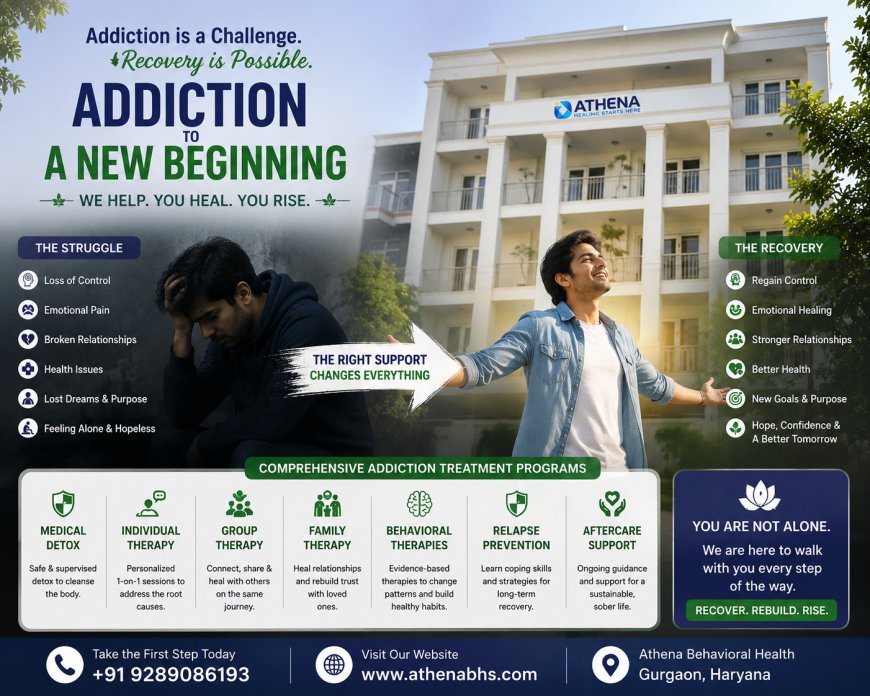
Recovery isn't just about stopping the substance; it’s about healing the underlying emotional pain, trauma, or stress that triggered the addiction in the first place. Renowned institutions like Athena Behavioral Health focus on exactly that. By blending compassionate, clinical detox with evidence-based mental health therapies and long-term aftercare support, they help individuals safely rebuild their lives and their relationships.
You don't have to carry this burden alone, and neither does your loved one. Reach out to a professional care expert today to take the first step toward bringing them back.
What's Your Reaction?