































Gaming Addiction Rehab in India: Building Balance Between Gaming and Life
Gaming can be a source of entertainment, social connection, and relaxation. For many people, playing video games is a normal part of leisure time.

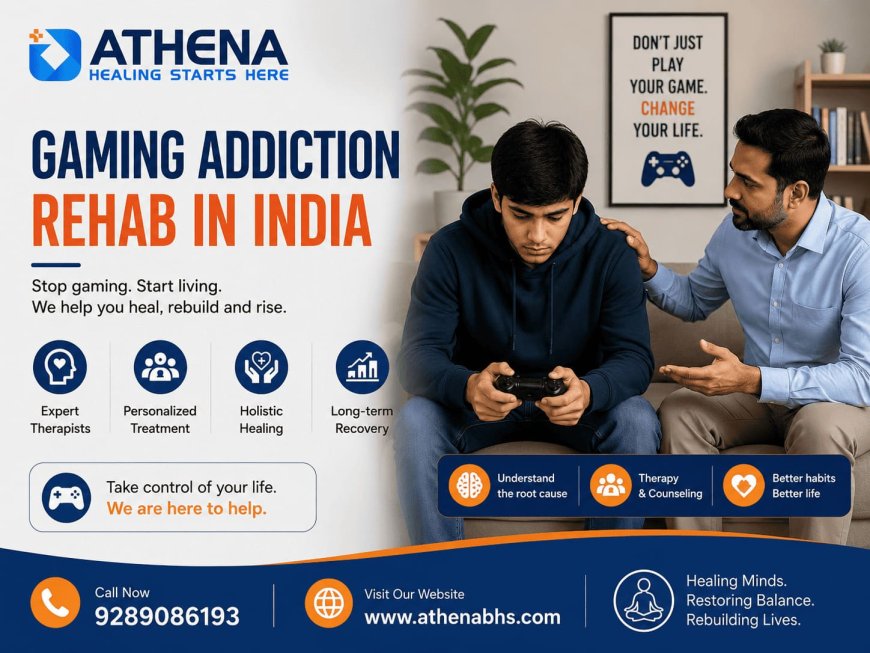
Gaming can be a source of entertainment, social connection, and relaxation. For many people, playing video games is a normal part of leisure time. However, when gaming becomes difficult to control and begins interfering with sleep, studies, work, relationships, or emotional well-being, professional support may be helpful.
Gaming Addiction Rehab in India provides structured support for individuals who are struggling with problematic gaming patterns. Treatment may involve psychological assessment, counseling, behavioral therapy, family support, and personalized recovery planning. The goal is not simply to eliminate gaming but to help individuals develop healthier boundaries and regain balance in everyday life.
What Is Gaming Addiction?
Gaming addiction is commonly used to describe persistent and difficult-to-control gaming behavior that negatively affects important areas of life. Clinically, Internet Gaming Disorder is a recognized condition for further study, while the World Health Organization recognizes gaming disorder in the ICD-11.
Gaming becomes a concern when a person repeatedly prioritizes it over other responsibilities and continues playing despite negative consequences.
Possible warning signs include:
- Spending significantly more time gaming than intended
- Difficulty reducing or stopping gaming
- Feeling restless or irritable when unable to play
- Neglecting studies, work, or household responsibilities
- Losing interest in other hobbies or activities
- Staying awake late to continue gaming
- Using gaming to escape stress or difficult emotions
- Experiencing conflicts with family or friends because of gaming
- Continuing to play despite academic, professional, or relationship problems
These signs do not automatically mean someone has a gaming disorder. A qualified mental health professional can assess the pattern and its impact on daily functioning.
How Can Excessive Gaming Affect Daily Life?
Gaming can become problematic when it takes time away from essential activities.
Impact on Studies
Students may postpone assignments, miss study sessions, or struggle to concentrate because gaming occupies a large portion of their free time. Late-night gaming can also reduce sleep, making it harder to focus during classes.
Impact on Work
Adults may experience reduced productivity when gaming interferes with sleep, concentration, time management, or professional responsibilities.
Impact on Relationships
Excessive gaming may lead to reduced communication with family members, withdrawal from social activities, or disagreements about time spent playing.
Impact on Sleep
Gaming late into the night can disrupt regular sleep schedules. Poor sleep can contribute to tiredness, reduced concentration, and mood changes.
Why Does Gaming Become Difficult to Control?
There is no single reason why someone develops problematic gaming behavior. Several psychological and environmental factors may contribute.
Some individuals may use gaming as a way to cope with:
- Stress
- Loneliness
- Boredom
- Anxiety
- Low mood
- Academic pressure
- Work-related difficulties
- Relationship problems
Games can also provide achievement, competition, social interaction, or a sense of progress. For some people, these experiences may become especially appealing when they are struggling with challenges in offline life.
Understanding these factors is an important part of treatment.
Role of a Gaming Addiction Treatment Center in India
A Gaming Addiction Treatment Center in India can provide professional assessment and structured care for individuals experiencing significant difficulties related to gaming.
Treatment may begin with an evaluation of gaming patterns and their effects on sleep, work, education, relationships, and emotional health.
A personalized treatment plan may include:
- Psychological assessment
- Individual counseling
- Behavioral therapy
- Family counseling
- Stress-management techniques
- Healthy routine development
- Digital-use management
- Relapse-prevention planning
The appropriate level of treatment depends on the individual's needs and circumstances.
Video Game Addiction Treatment
Video Game Addiction Treatment focuses on understanding why gaming has become difficult to control and helping individuals develop healthier ways of responding to triggers.
Therapy may help individuals identify situations that increase the urge to play. For example, someone may automatically start gaming whenever they feel bored or stressed.
Instead of relying only on restriction, treatment can introduce alternative coping strategies such as exercise, hobbies, social activities, relaxation techniques, or structured daily routines.
The goal is to improve control over gaming while strengthening other areas of life.
Internet Gaming Disorder Treatment
Internet Gaming Disorder Treatment may involve psychological approaches such as Cognitive Behavioral Therapy (CBT). CBT can help individuals recognize connections between thoughts, emotions, and gaming behaviors.
For example, a person may believe that gaming is the only effective way to relax after a difficult day. Therapy can help examine this belief and develop additional ways of managing stress.
Treatment may focus on:
- Identifying triggers
- Managing urges
- Improving emotional regulation
- Challenging unhelpful thought patterns
- Developing time-management skills
- Rebuilding offline activities
- Improving sleep routines
Treatment should always be adapted to the individual's needs.
Gaming Disorder Treatment and Family Support
Family involvement can be particularly important when teenagers or young adults are experiencing problematic gaming.
Parents and family members can support recovery by creating clear and realistic routines, encouraging healthy activities, and maintaining open communication.
Instead of using constant criticism or punishment, families can focus on understanding why gaming has become so important to the individual.
Family counseling may also help improve communication and establish appropriate boundaries around technology use.
Building Balance Between Gaming and Life
Recovery does not necessarily mean giving up gaming permanently. For some individuals, the goal may be learning to engage with gaming in a healthier and more controlled way.
Practical strategies may include:
- Setting realistic gaming schedules
- Taking regular screen breaks
- Keeping gaming devices away during study or work periods
- Maintaining consistent sleep times
- Prioritizing responsibilities before gaming
- Spending time with family and friends
- Developing offline hobbies
- Exercising regularly
- Practicing stress-management techniques
These strategies can help create a healthier relationship with gaming.
When Is Gaming Addiction Rehab Appropriate?
Not everyone who plays games frequently needs rehabilitation. Gaming Addiction Rehab in India may be considered when gaming has become significantly difficult to control and is causing substantial problems in daily life.
A structured program may provide regular therapy, counseling, healthy routines, recreational activities, and professional monitoring.
The level of care should be determined through professional assessment rather than simply by the number of hours a person spends gaming.
Choosing the Right Treatment Center
When considering a Gaming Addiction Treatment Center in India, look for a facility that provides qualified mental health professionals and individualized treatment.
Important factors include:
- Professional assessment
- Evidence-based psychological care
- Personalized treatment plans
- Individual and family counseling
- Confidential support
- Behavioral interventions
- Follow-up care
- Relapse-prevention planning
Be cautious of programs that promise instant results or guarantee a complete cure within a specific number of days.
Is an Addiction Treatment Center Suitable?
An addiction treatment center in India may offer behavioral health services, but families should ensure that the facility has experience with gaming-related concerns.
Gaming disorder is different from substance addiction, so treatment should be based on the individual's specific psychological and behavioral needs.
Long-Term Recovery
Recovery involves more than reducing gaming time. It also means rebuilding routines, improving emotional coping skills, strengthening relationships, and becoming involved in meaningful offline activities.
Progress may take time, and occasional setbacks can occur. These experiences can help individuals understand their triggers and improve their recovery strategies.
With appropriate professional support, individuals can work toward better control over gaming and a healthier balance between digital activities and everyday responsibilities.
Final Thoughts
Gaming can be enjoyable and beneficial when it remains balanced with other areas of life. However, when gaming becomes difficult to control and starts affecting sleep, studies, work, relationships, or mental well-being, professional support may be appropriate.
Gaming Addiction Rehab in India can provide assessment, therapy, counseling, and structured recovery support. Gaming Addiction Treatment in India should focus on the individual's overall well-being rather than simply restricting gaming.
If excessive gaming is interfering with daily life, speaking with a qualified mental health professional can help identify the most appropriate treatment approach.
Professional Support at Athena Behavioral Health
Athena Behavioral Health provides personalized mental and behavioral healthcare in a confidential and supportive environment. If gaming is affecting your daily routine, relationships, studies, or work, professional guidance can help you explore appropriate treatment options.Call: +91 92890 86193
What's Your Reaction?