

































Why Regular Oil Changes Are Essential for Long-Term Vehicle Performance
Need an oil change in Dallas, TX? Pro Quick Lube & Auto Repair offers synthetic & conventional oil changes, filter replacement & vehicle checks. Call today!

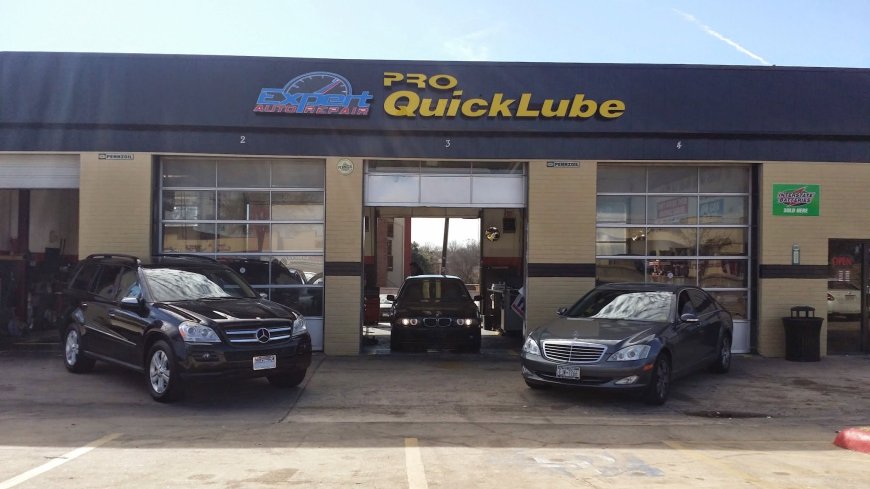
Regular vehicle maintenance is one of the most effective ways to keep a car reliable, efficient, and safe on the road. Among all routine maintenance tasks, Pro Quick Lube & Auto Repair changing engine oil is especially important. Engine oil protects internal components, reduces friction, controls heat, and helps prevent premature engine wear. For drivers who depend on their vehicles every day, following a consistent oil change schedule can make a significant difference in long-term performance.
Understanding the Role of Engine Oil
Engine oil does much more than simply lubricate moving parts. It creates a protective layer between components such as pistons, bearings, and crankshafts. This reduces metal-to-metal contact and helps the engine operate smoothly.
Oil also carries away heat from areas that experience high temperatures. In addition, it helps collect dirt, carbon deposits, and other contaminants that develop during normal engine operation. The oil filter captures many of these particles, helping keep the lubrication system cleaner.
Over time, however, engine oil loses some of its protective qualities. Heat, moisture, and accumulated contaminants can reduce its effectiveness. This is why regular oil changes are essential for maintaining dependable engine operation.
Signs Your Vehicle May Need an Oil Change
Although the recommended maintenance schedule is the best starting point, certain warning signs may indicate that your vehicle needs attention sooner.
Dark or Dirty Oil: Fresh engine oil usually has a cleaner appearance. As it circulates through the engine, it collects contaminants and gradually becomes darker. Checking the dipstick can help you monitor its condition.
Unusual Engine Noise: Low or degraded oil may provide less protection for moving components. If you notice ticking, knocking, or other unusual sounds, arrange an inspection rather than ignoring the problem.
Oil Warning Light: An illuminated oil pressure warning light should never be overlooked. It can indicate low oil pressure or another serious issue that requires immediate attention.
Burning Oil Smell: A noticeable burning smell may point to an oil leak or oil contacting hot engine components. A professional inspection can help identify the cause.
Reduced Engine Performance: Poor lubrication can contribute to increased friction and inefficient operation. If the vehicle feels different or develops other warning signs, checking the oil condition is a sensible step.
How Often Should You Change Engine Oil?
There is no single oil change interval that works for every vehicle. The correct schedule depends on the manufacturer's recommendations, engine design, oil type, driving habits, and operating conditions.
Many modern vehicles use synthetic oil and can travel longer distances between services than older vehicles. However, frequent short trips, heavy traffic, extreme temperatures, towing, and dusty roads can place additional demands on engine oil.
The owner's manual provides the most reliable maintenance guidance. Drivers should also pay attention to dashboard maintenance reminders and have the oil level checked regularly. Following the correct schedule helps prevent unnecessary wear and supports consistent performance.
Choosing the Right Engine Oil
Selecting suitable engine oil is just as important as changing it on time. Different engines require specific oil viscosities and performance standards. Using an unsuitable product may affect lubrication and engine protection.
The owner's manual normally identifies the recommended viscosity grade and required specifications. For example, some engines require particular synthetic oil formulations, while others may allow different approved options.
A qualified technician can help confirm the correct oil for the vehicle. It is also important to use a suitable replacement oil filter because the filter plays a major role in removing contaminants from the lubrication system.
Why Professional Oil Change Service Matters
An oil change may appear simple, but a proper service involves more than draining old oil and adding fresh lubricant. Technicians can inspect the oil filter, check for visible leaks, confirm the correct oil level, and identify other maintenance concerns.
Professional servicing also helps reduce the risk of common mistakes, such as using the wrong oil grade, installing an unsuitable filter, or adding too much or too little oil.
Drivers looking for dependable maintenance can explore Oil Change Service Dallas to learn more about local oil change options. Choosing a suitable service provider makes it easier to follow a consistent maintenance routine and address potential concerns before they become more serious.
Additional Maintenance Tasks to Consider
Oil changes are important, but they should form part of a broader vehicle maintenance plan. During routine service visits, drivers should also consider checking several other components.
-
Air Filter: A clean air filter supports proper airflow to the engine.
-
Coolant: Correct coolant levels help regulate engine temperature.
-
Tire Pressure: Proper inflation supports handling, safety, and tire life.
-
Brake Components: Regular inspections can help identify worn pads, damaged rotors, or other issues.
-
Battery Condition: Checking battery health can reduce the risk of unexpected starting problems.
-
Fluid Levels: Transmission, brake, and power steering fluids should be checked according to manufacturer recommendations.
These inspections help drivers maintain a better understanding of their vehicle's overall condition.
How Regular Oil Changes Can Reduce Maintenance Costs
Preventive maintenance is often less expensive than repairing damage caused by neglected components. When engine oil becomes heavily contaminated or loses its ability to lubricate effectively, internal parts may experience additional friction and wear.
Changing oil according to the recommended schedule helps maintain proper lubrication and reduces the risk of avoidable engine problems. It can also help preserve performance and support the vehicle's long-term reliability.
Keeping service records is another useful habit. Recording maintenance dates, mileage, oil specifications, and filter replacements makes it easier to track upcoming service needs and maintain a consistent schedule.
Final Thoughts
Engine oil plays a vital role in protecting a vehicle's most important mechanical system. Regular oil changes help reduce friction, manage heat, remove contaminants, and support dependable engine performance. By following manufacturer recommendations, using the correct oil, and arranging professional inspections when necessary, drivers can help extend engine life and avoid preventable maintenance problems.
A consistent maintenance routine is a practical investment in vehicle reliability. Paying attention to oil condition today can help keep your car running smoothly for many miles ahead.
What's Your Reaction?