


























Why Do Small Roof Issues Often Turn Into Bigger Home Problems?
When they first happen, minor roofing issues may not appear to be that big of a deal. Yet, leaving these small issues unaddressed can result in damage that will gradually get worse and worse.

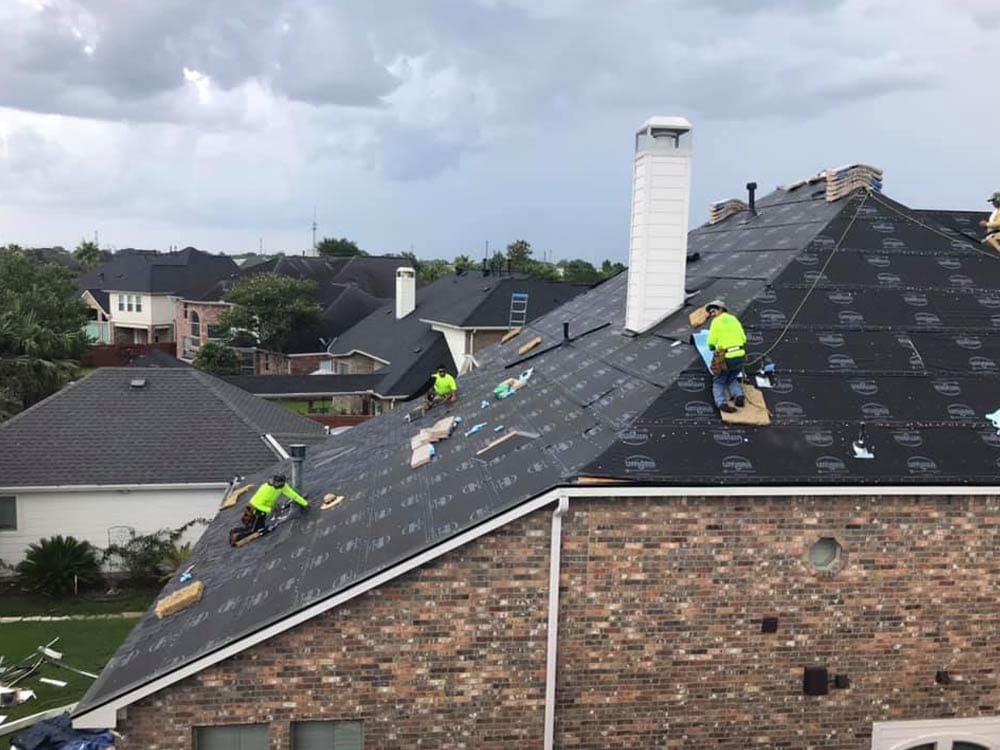
When they first happen, minor roofing issues may not appear to be that big of a deal. Yet, leaving these small issues unaddressed can result in damage that will gradually get worse and worse. A loose shingle, small leak, damaged flashing, or small patch of deterioration can, over time, impact other sections of the roofing system and the home. People who see these signs would be wise to seek professional roof repairs in Spring, TX.
How Can a Small Leak Cause Bigger Damage?
A tiny roof leak might seem like a trivial annoyance by definition, its only going to bring water into the house very sporadically. But, in fact, even a little bit of excess moisture can cause trouble over time if the culprit remains at large.
Moisture might also migrate through roofing components and into insulation, ceilings, walls, and other parts of the house. Getting in contact with moisture over time can result in staining, decay or other damage. Because water does not necessarily drift straight downward from its initial penetration point, visual indications within a house might not be positioned directly underneath the true roof problem.
Dealing with leaks early on may prevent homeowners from allowing a localized problem to turn into a larger moisture problem.
Why Should Damaged Shingles Be Addressed?
Shingles are a vital sheet covering the roof. Individual shingles may become:cracked, loose, curled, or missing, the areas underneath may become more exposed to weather.
Wind and rain can take advantage of these damaged areas, potentially allowing moisture to reach underlying roofing components. If damaged shingles are left unattended, surrounding materials may also become affected.
A professional inspection can determine whether individual shingles can be repaired or whether the damage extends beyond the visible area.
Can Damaged Flashing Lead to Leaks?
Flashing is commonly installed around roof penetrations and transition areas, including chimneys, vents, skylights, and other structures. These locations can be vulnerable to water intrusion if flashing becomes loose, cracked, or deteriorated.
Because flashing problems can allow water into areas that are difficult to see, they may remain unnoticed until interior signs of moisture appear. Having flashing inspected when roofing problems are suspected can help identify potential sources of leaks.
How Does Roof Damage Affect the Rest of the Home?
The roof is part of a larger system that helps protect the home's interior and structure. When roofing materials fail to keep water out, moisture can potentially affect other building components.
Depending on the location and severity of the problem, prolonged moisture exposure may affect insulation, drywall, wood components, or other areas. This is one reason why seemingly minor roofing concerns should not automatically be ignored.
Early attention may help limit the area affected by the problem.
Why Can Repeated Repairs Become a Concern?
Repairing a roof when localized damage occurs can be appropriate in many situations. However, if the same roof requires frequent repairs in different areas, homeowners may need to consider the overall condition of the system.
An aging roof may experience increasingly frequent problems as materials wear down. At some point, continued repairs may no longer provide the most practical long-term solution.
A professional inspection can help determine whether the roof has isolated problems or whether broader deterioration is occurring.
When Might Replacement Become Necessary?
Roof replacement may become necessary when damage is widespread, materials have significantly deteriorated, or the roof has reached the later portion of its expected service life.
Homeowners considering Roof replacement Cypress TX should have the existing roofing system professionally evaluated before making a decision. A contractor can examine the roof's condition and explain whether repairs may be sufficient or whether replacement should be considered.
The decision can depend on factors such as the extent of damage, age of the roof, condition of the underlying materials, and expected future maintenance needs.
Can Poor Ventilation Contribute to Roofing Problems?
Roofing problems are not always caused by visible exterior damage. Poor attic ventilation can contribute to excess heat and moisture in the attic environment, which may affect roofing materials and other components over time.
Homeowners experiencing recurring roofing concerns should ask whether ventilation may be contributing to the problem. A professional can inspect the attic and roof system and explain whether ventilation improvements may be appropriate.
Why Is Early Inspection Important?
One of the biggest challenges with roofing problems is that some damage may not be visible from the ground. A roof can appear relatively normal while having issues that require professional attention.
Regular inspections can help identify developing concerns before they become more extensive. Inspections may be particularly useful after severe weather, when a roof is aging, or when homeowners notice signs such as water stains, missing shingles, or unusual changes in the roof's appearance.
How Can Homeowners Prevent Small Problems From Growing?
Homeowners can take several practical steps to reduce the likelihood of minor roofing concerns becoming larger problems. Schedule inspections when necessary, keep gutters and drainage systems clear, look for visible signs of damage from the ground, and address leaks or damaged roofing materials promptly.
It is also important to avoid attempting risky roof repairs without the proper equipment and experience. A qualified professional can safely inspect difficult-to-reach areas and recommend appropriate repairs.
Address Roofing Problems Before They Spread
Small roof issues can become bigger home problems when moisture, weather exposure, and ongoing deterioration are allowed to continue. A minor leak or damaged shingle may eventually affect other parts of the roofing system or the home itself.
By paying attention to warning signs, arranging professional inspections, and addressing problems promptly, homeowners can better protect their property. When repairs are no longer enough, a professional evaluation can also help determine whether replacing the existing roof is the more appropriate long-term option.
What's Your Reaction?