



























What Materials Are Used for Cornflakes Packaging?
Learn what materials are commonly used in cornflakes packaging and how they help protect freshness, quality, and shelf appeal.

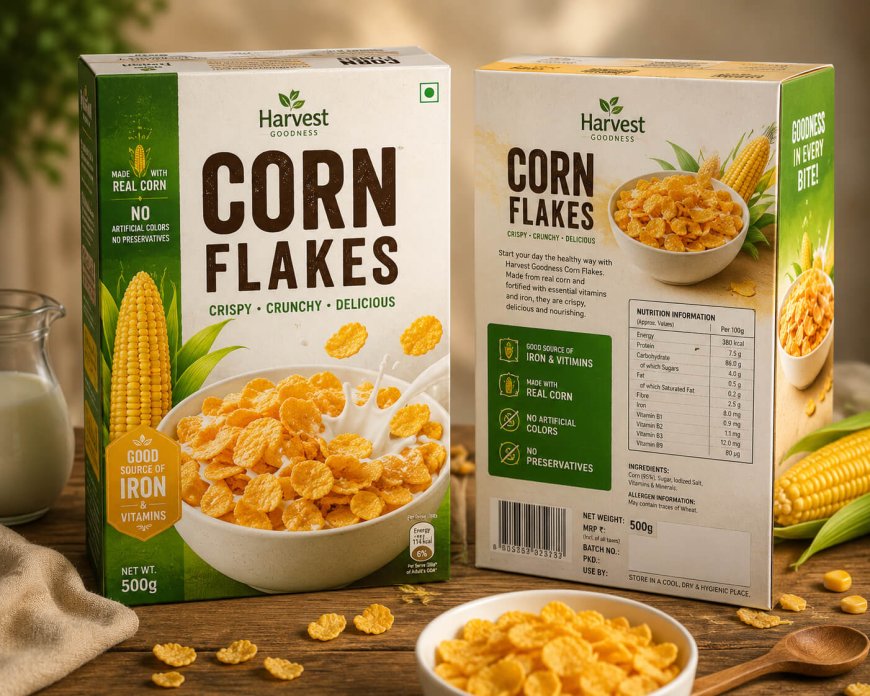
Cornflakes are one of the most popular breakfast cereals sold around the world. From supermarkets and convenience stores to online grocery platforms, cornflakes are packaged in a way that keeps them fresh, crunchy, and protected throughout the supply chain. While many customers focus on the cereal itself, the packaging plays a major role in maintaining product quality from the manufacturing facility to the breakfast table.
Cornflakes packaging is carefully designed to protect the product from moisture, air, contamination, and physical damage. Since cereals can quickly lose their crisp texture when exposed to humidity, manufacturers use specific packaging materials that help preserve freshness and extend shelf life. Understanding these materials can help food brands choose the right packaging solutions for their cereal products.
Common Materials Used in Cornflakes Packaging
Most cornflakes packaging consists of multiple layers or components working together to provide protection and convenience. Each material serves a specific purpose in maintaining product quality.
Paperboard Boxes
The outer box is usually made from paperboard or cardboard material. This is the packaging customers see on retail shelves. Paperboard provides structure and helps protect the cereal bag inside from crushing during transportation and storage.
It also offers a large printable surface where brands can display logos, nutritional information, product details, ingredients, and marketing messages. The outer box plays a major role in attracting customer attention and supporting brand recognition.
Plastic Inner Bags
Inside most cornflakes boxes, the cereal is packed in a sealed plastic bag. This inner liner is one of the most important parts of the packaging because it protects the cereal from air and moisture.
The plastic bag helps maintain freshness and keeps the cornflakes crisp for a longer period. Without this protective layer, cereals could quickly become stale after production or once the package is opened.
Flexible Barrier Films
Many cereal manufacturers use specialized barrier films as part of the inner packaging. These materials help prevent moisture, oxygen, and external odors from affecting the product.
Barrier films are especially useful because they help preserve flavor, texture, and product quality throughout storage and distribution. They contribute significantly to extending the shelf life of cornflakes and other breakfast cereals.
Printing and Labeling Materials
Cornflakes packaging also includes printed elements that provide important product information. High-quality printing materials are used to display branding, nutritional facts, serving suggestions, ingredient lists, and promotional content.
These printed surfaces help brands communicate with customers while creating attractive shelf presentation that encourages purchases.
Protective Coatings
Some paperboard cereal boxes include protective coatings that improve durability and print quality. These coatings help maintain the appearance of the packaging during handling, transportation, and retail display.
A clean and attractive box contributes to stronger customer confidence and better product presentation.
Why Material Selection Matters?
Each packaging material serves a different purpose. The paperboard box provides structure and branding opportunities, while the inner bag and barrier materials protect freshness. Together, these materials help ensure that customers receive a product that looks appealing and maintains its intended quality.
Food manufacturers carefully select packaging materials because even small changes can affect product shelf life, storage performance, and customer satisfaction.
The Importance of Quality Cornflakes Packaging
Boxo Packaging helps food brands create packaging solutions that combine protection, branding, and professional presentation. Kraft cornflakes packaging typically uses paperboard boxes, plastic liners, barrier films, and printed materials to keep products fresh and attractive. By using the right combination of packaging materials, cereal brands can protect product quality, improve shelf appeal, and create a better customer experience from purchase to consumption.
What's Your Reaction?