






























What Are the Different Types of Anxiety Disorder Treatment in India?
Anxiety can affect a person's thoughts, emotions, physical health, and daily activities. While occasional anxiety is a normal response to stress, persistent worry, excessive fear, restlessness, and panic may indicate an anxiety disorder.

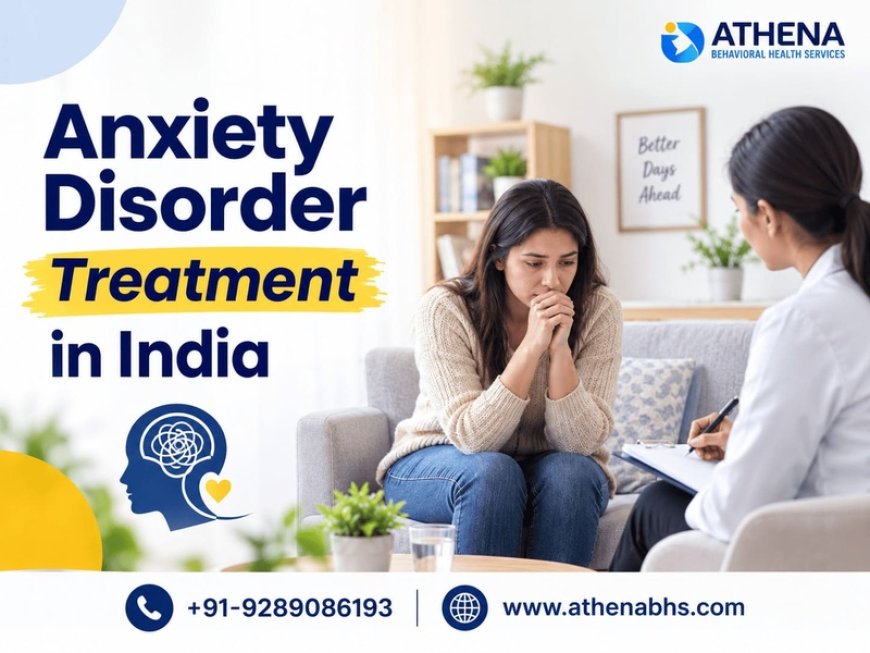
Anxiety can affect a person's thoughts, emotions, physical health, and daily activities. While occasional anxiety is a normal response to stress, persistent worry, excessive fear, restlessness, and panic may indicate an anxiety disorder. When these symptoms interfere with sleep, work, relationships, or social activities, professional support can help individuals understand their condition and explore suitable treatment options.
Anxiety Disorder Treatment in India includes psychological therapies, psychiatric assessment, medication when appropriate, and lifestyle support. The right approach depends on the type of anxiety, symptom severity, medical history, and individual needs. Understanding the available treatments can help individuals and families make informed decisions about mental healthcare.
Understanding Anxiety Disorders
Anxiety disorders involve excessive fear or worry that can be difficult to control. Different conditions may produce different symptoms, so professional assessment is important before starting treatment.
Common symptoms include:
- Persistent worrying about everyday situations
- Restlessness, irritability, or muscle tension
- Difficulty concentrating or sleeping
- Rapid heartbeat, sweating, or trembling
- Avoiding situations that cause fear
- Sudden episodes of intense fear or panic
A qualified mental health professional can evaluate these symptoms and determine whether they are related to an anxiety disorder or another mental or physical health concern.
1. Cognitive Behavioural Therapy (CBT)
Cognitive behavioural therapy is one of the commonly used psychological approaches for Anxiety Disorder Treatment. It helps individuals recognise connections between their thoughts, emotions, and behaviours.
For example, someone who frequently expects the worst may begin avoiding situations that make them uncomfortable. CBT helps identify these thought patterns and develop more balanced ways of responding.
Sessions may include identifying anxiety triggers, challenging unhelpful beliefs, learning problem-solving skills, and gradually facing feared situations when appropriate. Individuals may also practise strategies between sessions to apply what they learn in everyday life.
CBT can be useful for several anxiety disorders, although the treatment plan should be tailored to the person's specific condition and needs.
2. Individual Counselling and Psychotherapy
Individual counselling provides a supportive setting where people can discuss worries, stressful experiences, and emotional difficulties with a trained professional.
During Anxiety Treatment in India, counselling may help individuals understand how life changes, work pressure, relationship difficulties, or other stressors influence their emotions. A therapist can help them develop practical coping strategies and healthier responses to challenging situations.
Psychotherapy may also address related concerns, such as low mood or difficulties with self-confidence. The type and duration of therapy depend on the person's symptoms, preferences, and progress.
3. Medication and Psychiatric Treatment
Medication may be considered when anxiety symptoms are persistent, severe, or significantly affect daily functioning. A psychiatrist assesses the individual's symptoms, medical history, and possible medication risks before recommending an appropriate option.
Depending on the clinical situation, medication may be used alongside psychotherapy. Some medicines take time to show benefits, and others require careful monitoring because of potential side effects or dependence risks.
People looking for a Psychiatric Hospital in India should consider qualified professionals, proper assessment procedures, confidentiality, and follow-up care. Hospital-based treatment may be appropriate for certain complex or severe situations, but many people can receive treatment through outpatient consultations.
Medication should only be taken under medical supervision. Patients should speak with their prescribing professional before changing or stopping prescribed medicines.
4. Panic Disorder Treatment
Panic attacks can cause sudden and intense fear, sometimes accompanied by a racing heartbeat, sweating, trembling, dizziness, or breathlessness. Repeated attacks may lead to concerns about experiencing another episode.
Panic Disorder Treatment may include CBT, education about panic symptoms, and techniques for managing fear. A mental health professional can help individuals understand their symptoms and gradually address situations they have begun avoiding.
Because panic symptoms can sometimes resemble physical health problems, new, severe, or unusual symptoms should be evaluated by a healthcare professional.
5. Exposure-Based Therapy
Exposure-based therapy may be recommended for certain anxiety disorders, including specific phobias and some forms of social anxiety. Under professional guidance, individuals gradually face feared situations rather than avoiding them entirely.
For example, someone who experiences intense fear in social settings may work with a therapist to approach manageable social situations step by step. The process is planned according to the person's needs and comfort level.
Exposure-based approaches aim to reduce avoidance and help individuals learn that they can manage anxiety-provoking situations. They should be conducted appropriately, with professional support when indicated.
6. Relaxation Techniques and Mindfulness
Relaxation techniques can complement professional treatment by helping individuals respond to stress. Options may include slow breathing, mindfulness exercises, guided relaxation, and gentle physical activity.
These techniques may help some people manage physical tension and become more aware of anxious thoughts without reacting immediately. However, they are not a replacement for clinical assessment or evidence-based treatment when an anxiety disorder is affecting daily life.
A mental health professional can recommend suitable techniques based on the individual's symptoms and preferences.
7. Lifestyle Changes and Family Support
Healthy routines can support the progress made through therapy and psychiatric care. Helpful habits include:
- Maintaining a consistent sleep schedule
- Engaging in regular physical activity
- Eating balanced meals and staying hydrated
- Limiting caffeine if it worsens anxiety
- Maintaining social connections
- Setting realistic daily goals
Family members can also provide valuable support by listening without judgement, encouraging professional care, and avoiding pressure or criticism. Family involvement should respect the individual's privacy and preferences.
How to Choose an Anxiety Disorder Treatment Center in India
When comparing an Anxiety Disorder Treatment Center in India, consider the qualifications of its clinicians, the therapies available, patient privacy, treatment costs, and follow-up arrangements.
Ask whether the centre offers psychiatric assessments, psychotherapy, medication management when needed, and support for related mental health concerns.
The best anxiety disorder treatment is not identical for everyone. The best treatment for anxiety disorder depends on the diagnosis, symptom severity, personal preferences, and response to care. Be cautious of providers who promise guaranteed outcomes or immediate recovery.
The Best anxiety disorder treatment in India should involve professional assessment, an individualised care plan, and ongoing review of treatment progress.
Contact Athena Behavioral Health Today
Choosing suitable Anxiety Disorder Treatment in India begins with understanding your symptoms and seeking qualified professional guidance. Treatment may involve therapy, psychiatric support, healthy coping strategies, and follow-up based on individual needs.
Athena Behavioral Health provides mental health services for individuals seeking support with anxiety and related concerns. Contact the team to learn about available services and discuss suitable care options.Call Athena Behavioral Health: 9289086193
What's Your Reaction?