





























What a Termite Inspection Finds That Sacramento Homeowners Usually Miss
Termites hide where you can’t see. Learn what a termite inspection in Sacramento finds, how to read the report, and when to book a free one.
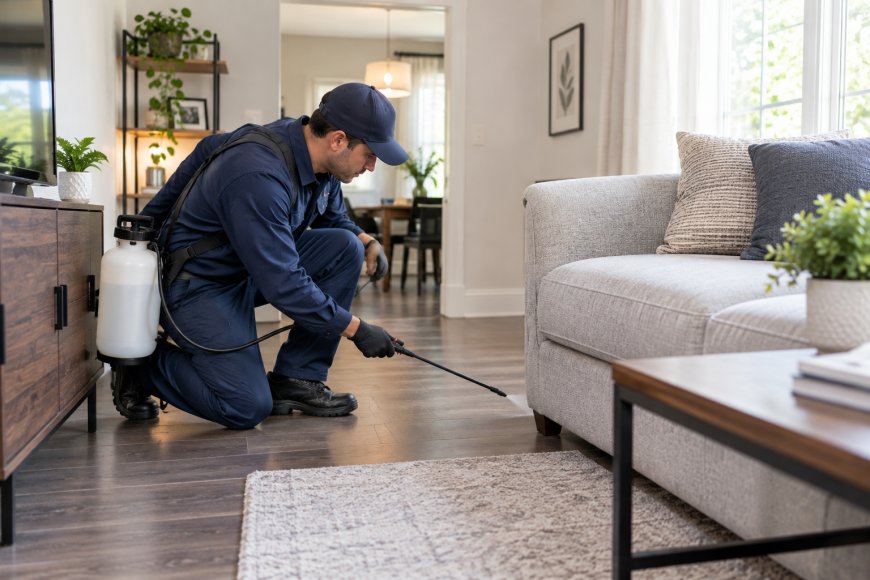
Termites are built to go unnoticed. They stay inside wood, behind walls and under soil, and they leave very little behind that looks like a problem. That is why a homeowner can walk past an infestation every day for years.
A professional termite inspection is not just a yes-or-no check. Done well, it tells you where termites are, what kind they are, how much damage there is, and what about your house is inviting them in. This article explains what an inspector can see that you probably cannot, how to avoid mixing up termites with other wood problems, and how to get the most out of the visit. If you are ready to book, you can schedule a termite inspection in Sacramento with Pinnacle Pest Control.
Why You Can Look Right at Termites and Not See Them
UC Integrated Pest Management describes drywood termites as cryptic, meaning they stay hidden inside the wood they eat. Subterranean termites live in the soil and often reach your house through mud tubes in places you rarely look. In both cases, the first signs are small and easy to blame on something else.
That is the real problem with checking by eye. You do not know where to look, you do not know what a worrying sign looks like up close, and the worst spots are the ones that are hard to reach: crawl spaces, attic corners, the back of a garage and the wood behind landscaping.
Seven Things an Inspector Can Find That You Probably Cannot
-
Mud tubes in low, dark places. They often run up a foundation wall or pier in a crawl space, behind stored boxes or behind shrubs.
-
Tiny pellets in odd corners. Drywood termite droppings can collect on a sill, in an attic corner or on a garage shelf, and they look like dust or sand until you know what they are.
-
Wood that has been hollowed out. The surface can look fine while the inside is thin. Inspectors know where to tap and what a hollow sound means.
-
Slow leaks. A dripping drain trap or a weeping pipe joint can keep wood damp for months before anyone sees a stain.
-
Wood touching soil. Fence posts attached to a house, deck posts, wood steps and siding that dips below the soil line are bridges for termites.
-
Dry rot and water damage. These are not termites, but they soften wood and make it more attractive to them.
-
Entry points. Cracks in foundation walls, gaps around plumbing and electrical lines, door jambs and expansion joints are all places termites can get in.
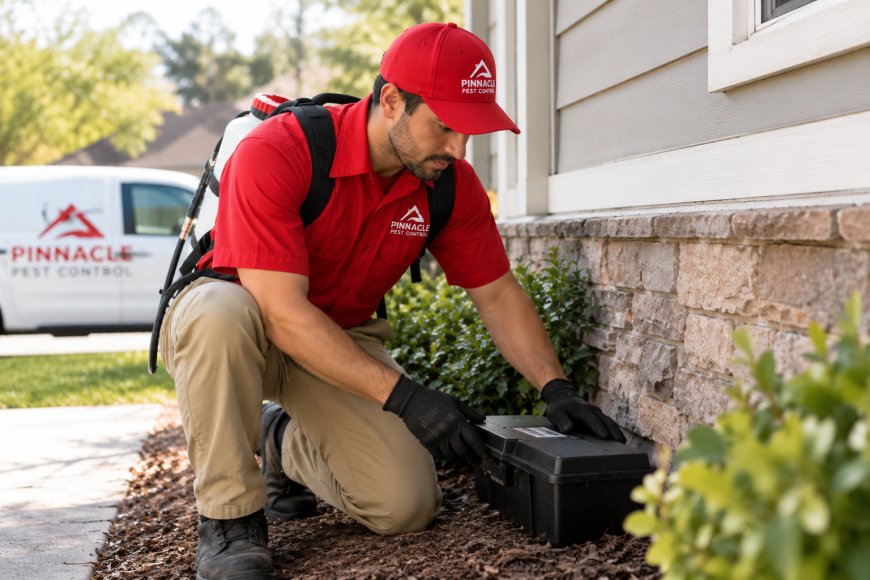
Old Damage Versus Active Termites
This is one of the most useful things an inspector can sort out. Finding damaged wood does not always mean termites are still there. It can be the leftover from an old infestation that died out or was treated. Fresh signs, such as live termites, new pellets or newly built mud tubes, suggest current activity.
The difference changes your next step. Active termites call for treatment. Old, inactive damage may only need repair and a plan to keep the conditions that caused it from coming back. A good inspector will tell you which one they think you have and explain why.
Is It Termites? Other Wood Problems That Look Similar
Not every damaged board is a termite problem, and the treatment is different for each cause. This table shows common look-alikes.
|
Problem |
What it can look like |
What helps tell it apart |
|
Drywood termites |
Small, hard pellets with six flattened sides near infested wood |
The pellet shape and where it collects |
|
Subterranean termites |
Mud tubes from soil to wood, damage inside the wood |
The tubes and the soil connection |
|
Carpenter ants |
Smooth, clean tunnels and coarse, sawdust-like debris |
Ants often leave bits of insect parts in the debris |
|
Wood-boring beetles |
Round exit holes with fine powder |
The size and pattern of the holes |
|
Dry rot or water damage |
Soft, discolored or crumbly wood |
Moisture, with no insects involved |
Because treatments differ, a wrong guess can waste money and let the real problem keep growing. If someone tells you that you need an expensive treatment and you are not sure, getting a second opinion is reasonable.
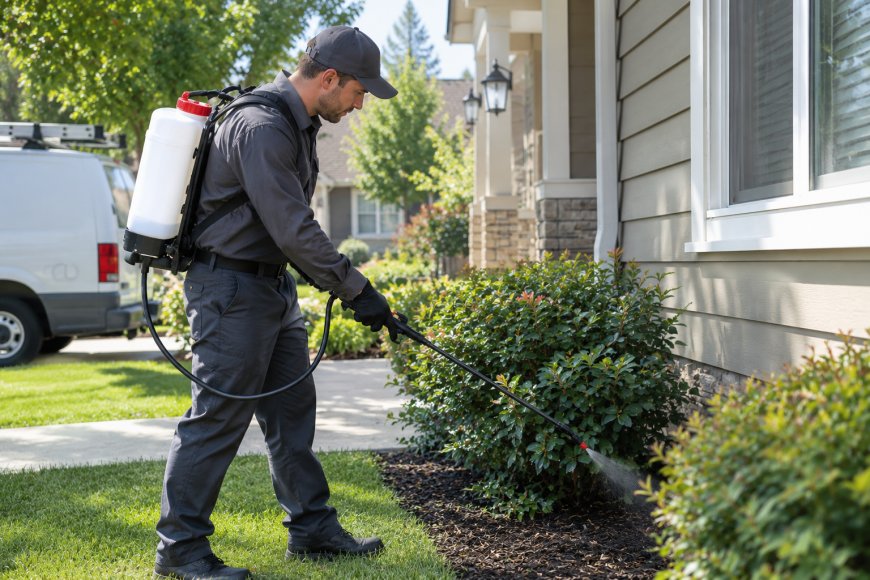
What an Inspector Focuses On in Different Kinds of Sacramento Homes
Every house has its own weak spots. These are general patterns, not rules, but they show why an inspection is tailored to the property.
-
Older homes with raised foundations: The crawl space matters most. Inspectors look at foundation walls, piers, plumbing runs and any wood that is close to the soil.
-
Slab-on-grade homes: The edges of the slab, cracks and the area around plumbing penetrations get more attention, along with wood that meets the concrete.
-
Homes with additions, decks or patios: The spots where new wood connects to old wood, and where wood sits near the ground, are common weak points.
-
Homes with heavy landscaping and irrigation: Wet soil next to the foundation and sprinkler spray on siding can raise the risk.
-
Rentals and investment properties: Small leaks and deferred repairs go unnoticed longer, so these areas are worth checking.
-
Commercial buildings: Wood fixtures, storage areas and utility rooms are included, along with the structure.
Pinnacle inspects residential and commercial properties across the Sacramento metro area and the East Bay.
Questions to Ask Before You Book
A few questions up front save a lot of frustration later:
-
Is the inspection free? If not, what does it cost?
-
Will someone go through the outside, the inside and the crawl space?
-
Will I get a written report, and what will be in it?
-
If termites are found, will I get an estimate before any work begins?
-
Is the technician licensed, and is the company insured?
-
How long should I plan for?
At Pinnacle, the inspection is free, the technicians are licensed, and the company is bonded and insured. A full inspection usually takes about 45 minutes to an hour and a half, depending on the size of the property.
What the Visit Looks Like
The technician looks at the outside of your property first: the foundation, wood structures, fences, cracks, deadwood, firewood and mulch. Then they work through the inside, paying close attention to bathrooms, kitchens, utility rooms, baseboards, walls, door frames, cabinets and closets. If there is an accessible crawl space, they go through that too.
When the visit wraps up, you should get a full inspection report. If termites are found, it should cover where they are, how severe the damage looks and what treatment is recommended, with an estimate for the work.
How to Read Your Inspection Report
A report is only useful if it is clear. Look for these things:
-
Locations. Findings should say where, such as the north crawl space wall or the garage sill plate, not just "some activity."
-
The termite type. The treatment depends on it.
-
Active or inactive. The report should say whether the signs suggest current activity.
-
Severity. You should understand whether the damage is minor, moderate or serious.
-
Conditions to fix. Leaks, wood-to-soil contact and moisture problems should be listed even if no termites were found.
-
Next steps and an estimate. You should know what is recommended and what it costs.
Be wary of vague language, a hard sell or pressure to decide on the spot. A good company is happy to explain the report and let you think it over.
What to Do in the Week After
If nothing was found: Fix any conditions the inspector flagged, such as a leaky fixture or wood touching soil, and put your next inspection on the calendar.
If conditions were flagged but no termites: Treat those like a to-do list. Moisture is the usual culprit, so start with leaks and drainage.
If termites were found: Ask the inspector to walk you through the type, the extent and the recommended method. Pinnacle treats drywood termites with orange oil spot treatments and subterranean termites with liquid barrier treatments. Learn more about our termite control services, then decide on timing.
If there is damage: Treat the termites first, then repair. Replacing wood while termites are still active can mean the new wood gets damaged too.
A Year-Round Termite Checklist for Sacramento Homes
A few simple habits make the next inspection go better.
-
Spring: Check sprinkler heads and schedules as irrigation picks up, and make sure water is not hitting siding or wood trim.
-
Summer: Watch windowsills, door frames and the garage for pellets or discarded wings.
-
Fall: Clear gutters and downspouts before the rains, and move firewood away from the house.
-
Winter: After heavy storms, look for new leaks, damp spots and standing water near the foundation.
How Often Should You Inspect?
UC Integrated Pest Management suggests regular inspections every 3 to 5 years. Pinnacle recommends having your home or business inspected at least once a year, and annual checks are especially worth considering for older homes, properties with crawl spaces, and anywhere with past termite activity or moisture problems.
Termite Inspection FAQs
Can I have termites if I have never seen one?
Yes. Termites spend most of their lives hidden, and many people only find out when they notice damage. Not seeing termites does not mean there are none.
Is old termite damage a problem?
It can be. Inactive damage may still weaken wood, so it should be checked and repaired if needed. An inspector can tell you whether it looks active.
Do newer homes need termite inspections?
Often yes. Newer homes can still have moisture problems, wood touching soil or entry points, and termites can arrive at any age of building.
I rent my home. What should I do if I see signs of termites?
Photograph what you see and tell your landlord or property manager promptly. Termite treatment is usually arranged by the property owner.
Do businesses need termite inspections too?
Yes. Commercial properties are as vulnerable as homes, and damaged wood can become a safety risk for employees and customers. Pinnacle inspects commercial properties as well as residential ones.
How soon should I call after finding signs?
As soon as is practical. Do not rush into spraying anything yourself, but do not let it sit for months either.
Not Sure What You Have? Let a Professional Take a Look
If you have found something suspicious, or you have simply never had your property checked, an inspection will give you a clear answer. Pinnacle Pest Control has served the Sacramento area since 1998. Call (916) 381-5793 to schedule your free termite inspection.
What's Your Reaction?