






























Stainless Steel Square Tubes in Modern Construction

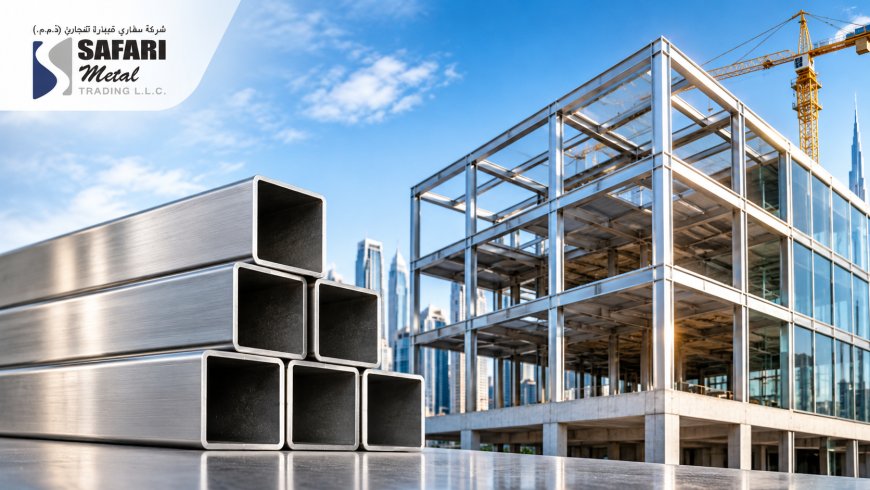
A building's structural performance depends on the materials behind its design. Fabricators, contractors, and engineers must consider strength, dimensional accuracy, corrosion resistance, and ease of assembly before selecting metal sections. Square stainless steel tubes offer a practical solution for projects that require consistent geometry and dependable structural support.
Unlike solid bars, hollow sections distribute material around an internal cavity. This design can provide useful strength-to-weight characteristics while reducing material consumption. Engineers can incorporate these sections into frameworks, supports, partitions, and architectural features without adding unnecessary bulk.
Understanding Square Tube Geometry and Construction
Square tubes have four equal sides and a hollow internal profile. Manufacturers produce them through forming and welding processes, followed by sizing and finishing operations. These steps determine dimensional consistency, surface quality, and the finished section's suitability for fabrication.
When sourcing stainless steel square Bahrain products, buyers should examine the specifications rather than rely on external appearance. Two tubes with identical outside dimensions may have different wall thicknesses and mechanical properties.
Important specifications include:
● Outside width and height.
● Wall thickness and dimensional tolerance.
● Stainless steel grade and chemical composition.
● Manufacturing method and weld quality.
● Surface finish and available section lengths.
These details help engineers match the product to structural drawings and fabrication requirements.
Selecting Stainless Steel Grades for Applications
Stainless steel grades influence how metal sections respond to moisture, chemicals, and environmental exposure. Grade 304 remains a popular choice for general fabrication because it offers good corrosion resistance and formability. It suits furniture frames, equipment structures, architectural components, and many indoor applications.
Grade 316 contains molybdenum, which improves resistance to chloride-related corrosion. This makes it worth considering for coastal installations and facilities exposed to saline conditions. However, the final selection should also account for cleaning practices, temperature, fabrication quality, and maintenance.
Architectural Uses Across Commercial Building Projects
Architects frequently incorporate square tubes into designs that require clean lines and consistent profiles. Their symmetrical shape simplifies alignment and creates a uniform appearance across connected structures.
Common architectural applications include:
● Balustrades and handrail support structures.
● Decorative screens and partition frameworks.
● Canopies and lightweight structural assemblies.
● Door frames and architectural fixtures.
● Furniture bases and display structures.
Designers can combine stainless steel sections with glass, timber, and other materials to achieve different visual effects.
Industrial Fabrication and Equipment Support Systems
Manufacturing facilities use square tubes in equipment frames, machine guards, workstations, storage structures, and production-line assemblies. Their hollow profile allows fabricators to create rigid structures without using solid sections throughout the design.
Fabrication teams must consider cutting accuracy, joint preparation, welding procedures, and dimensional tolerances. Poor alignment can create assembly problems, while excessive welding heat may cause distortion or surface discolouration. Appropriate tools and controlled fabrication methods help maintain the required finish.
Coastal Conditions and Corrosion Protection Measures
Bahrain's coastal environment presents specific challenges for exposed metal structures. Airborne salts, humidity, and temperature changes can affect metal surfaces over time. Although stainless steel offers corrosion resistance, unsuitable grades and poor maintenance can still lead to surface staining or localised corrosion.
For stainless steel square tube Bahrain projects, engineers should assess the exposure conditions before approving materials. Grade 316 may offer an advantage in chloride-rich environments, but good detailing and regular cleaning remain important.
Practical precautions include:
● Avoiding contact with carbon steel contamination.
● Removing salt deposits through suitable cleaning.
● Preventing water from collecting around joints.
● Using compatible fasteners and connection materials.
● Inspecting welded areas and exposed surfaces.
These measures help preserve the appearance and performance of installed sections.
Wall Thickness and Load Capacity Considerations
Tube dimensions alone cannot establish structural suitability. Wall thickness, section size, material grade, unsupported length, connection design, and applied loads all affect performance. Engineers should calculate the required strength and stiffness before specifying a section.
Thin-walled tubes may suit decorative applications, while heavier sections may be necessary for demanding support structures. However, increasing thickness does not automatically solve every design problem. Proper calculations should account for bending, buckling, deflection, and connection behaviour.
Surface Finishes and Their Practical Benefits
The surface finish affects both appearance and maintenance. Stainless steel sections commonly come in mill finishes, brushed finishes, and polished options. Each finish serves different architectural and industrial requirements.
A brushed finish can help create a consistent appearance while reducing the visibility of minor marks. Polished surfaces offer a more reflective appearance, although they may require additional attention to fingerprints and cleaning. Buyers should specify the required finish before fabrication begins.
Quality Checks Before Material Procurement
Procurement teams should verify product details before approving a purchase. Material substitutions can affect fabrication methods, structural calculations, and finished appearance. Clear specifications reduce misunderstandings between designers, suppliers, and contractors.
A practical inspection checklist includes:
● Confirming the grade against project documents.
● Checking outside dimensions and wall thickness.
● Reviewing straightness and surface condition.
● Verifying relevant material test certificates.
● Confirming lengths, quantities, and tolerances.
Safari Metal Trading Co., LLC, established in 1994, supplies stainless steel products including pipes, tubes, sheets, plates, and coils. Its product portfolio provides industrial buyers with several material categories to consider when planning fabrication and construction requirements.
Welding and Joint Preparation During Fabrication
Stainless steel fabrication requires suitable welding procedures and careful surface preparation. Fabricators should remove oil, dirt, and other contaminants before joining components. They should also select compatible filler materials and follow procedures appropriate for the chosen grade.
Welding can create heat tint and discolouration around joints. These areas may require suitable cleaning, pickling, and passivation procedures to restore corrosion resistance. Fabricators should follow manufacturer guidance and applicable safety procedures when carrying out surface treatment.
Maintenance Planning for Long-Term Performance
Even durable stainless steel structures need periodic inspection. Dust, salt, and industrial deposits can accumulate on exposed surfaces, particularly around joints and connections. Regular cleaning helps prevent contaminants from affecting the protective surface layer.
Facility managers should inspect for loose connections, scratches, unusual staining, and signs of corrosion. They should address defects early and use cleaning products suitable for the specified stainless steel grade. Consistent maintenance supports a longer service life and preserves the finished appearance.
Coordinating Material Supply with Project Schedules
Construction and fabrication projects depend on timely material availability. Delays in receiving the correct tube dimensions or grades can interrupt workshop schedules and affect installation milestones. Buyers should share detailed specifications, quantities, and required delivery dates when requesting quotations.
Project teams should also clarify whether suppliers can meet the full order quantity or need to arrange staged deliveries. Early procurement planning gives contractors more time to check documentation, inspect materials, and coordinate fabrication activities.
What's Your Reaction?