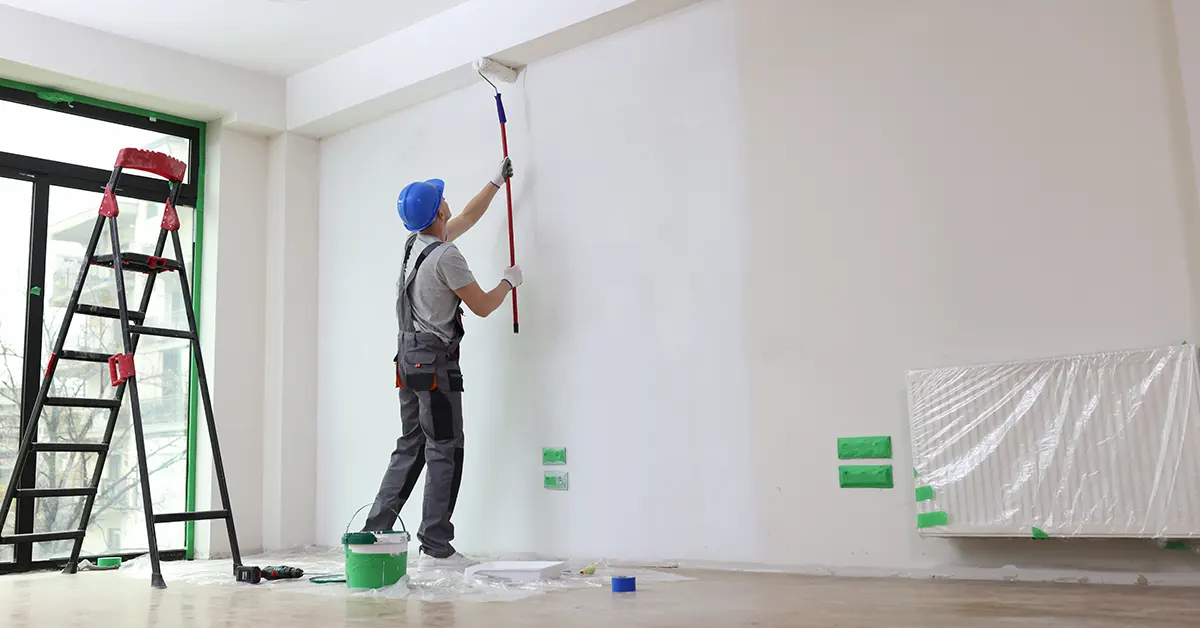
Interior paint is one of the most effective ways to refresh your living space without undertaking a major renovation. Whether you are decorating a new home, renovating an old room, or simply updating your interiors, choosing the right interior paint can dramatically improve the appearance, durability, and atmosphere of your home. With countless colors, finishes, and paint types available, understanding your options helps you achieve beautiful and long-lasting results.
What Is Interior Paint?
Interior paint is specially formulated for indoor walls, ceilings, and other surfaces. Unlike exterior paint, it is designed to withstand indoor conditions while providing a smooth finish, low odor, and resistance to stains and daily wear. Modern interior paint also offer features such as quick drying, easy cleaning, and low VOC (Volatile Organic Compounds) formulations for healthier indoor air quality.
Benefits of High-Quality Interior Paint
Choosing premium-quality interior paint offers several advantages:
Enhances the appearance of rooms
Protects walls from stains and moisture
Improves indoor air quality with low-VOC options
Provides long-lasting color retention
Makes cleaning and maintenance easier
Covers imperfections effectively
Resists peeling, cracking, and fading
Quality paint not only looks better but also reduces the need for frequent repainting, saving money over time.
Types of Interior Paint
Different rooms require different types of paint depending on usage and environmental conditions.
Matte Finish
Matte paint provides a smooth, non-reflective finish that hides wall imperfections. It is ideal for bedrooms, living rooms, and ceilings where heavy cleaning is not required.
Eggshell Finish
Eggshell paint offers a slight sheen while maintaining a soft appearance. It is suitable for dining rooms, hallways, and family rooms because it is easier to clean than matte paint.
Satin Finish
Satin paint has a silky appearance and excellent durability. It works well in kitchens, bathrooms, children's rooms, and other high-traffic areas.
Semi-Gloss Finish
Semi-gloss paint reflects more light and is highly resistant to moisture and stains. It is commonly used for doors, window frames, cabinets, and trim.
Gloss Finish
Gloss paint creates a shiny surface that is extremely durable and washable. It is ideal for furniture, decorative woodwork, and accent features.
Choosing the Right Interior Paint Color
Color selection influences the mood and visual size of a room.
White
White creates a clean, spacious, and timeless appearance. It complements almost every decorating style.
Neutral Shades
Beige, grey, cream, and taupe remain popular because they blend easily with different furniture styles and décor.
Soft Pastels
Light blue, mint green, lavender, and blush pink create relaxing and welcoming spaces, making them perfect for bedrooms and nurseries.
Bold Colors
Navy blue, emerald green, charcoal, and deep burgundy add personality and create striking feature walls.
Selecting Paint for Different Rooms
Each room has unique requirements.
Living Room
Choose durable paint with an eggshell or satin finish that withstands daily use while maintaining an elegant appearance.
Bedroom
Soft colors with matte or eggshell finishes create a peaceful and comfortable environment.
Kitchen
Use washable satin or semi-gloss paint that resists grease, stains, and frequent cleaning.
Bathroom
Moisture-resistant paint prevents mold growth and peeling caused by humidity.
Children's Room
Select washable, stain-resistant paints that can handle frequent cleaning and everyday activities.
Preparing Walls Before Painting
Proper preparation is essential for achieving professional results.
Preparation includes:
Cleaning dust and grease from walls
Filling holes and cracks
Sanding rough surfaces
Applying primer where necessary
Protecting floors and furniture with covers
Using painter's tape for clean edges
Skipping preparation often results in uneven finishes and reduced paint durability.
Tips for Applying Interior Paint
Following proper painting techniques ensures a smooth and attractive finish.
Use high-quality brushes and rollers.
Stir paint thoroughly before use.
Apply thin, even coats instead of one thick coat.
Allow sufficient drying time between coats.
Paint from top to bottom.
Maintain good ventilation during painting.
These simple practices improve the final appearance and extend the paint's lifespan.
Low-VOC and Eco-Friendly Interior Paint
Many homeowners now prefer environmentally friendly interior paints. Low-VOC paints release fewer harmful chemicals into the air, making them safer for children, elderly family members, and pets.
Benefits include:
Reduced indoor air pollution
Less odor during painting
Improved environmental sustainability
Better indoor comfort
Eco-friendly paints are available in a wide range of colors and finishes without compromising performance.
Common Mistakes to Avoid
Avoiding these mistakes can save both time and money.
Choosing paint based only on color
Ignoring the recommended finish
Skipping primer
Painting over dirty walls
Applying paint too thickly
Purchasing insufficient paint
Ignoring drying times
Careful planning produces a more professional-looking result.
Interior Paint Maintenance Tips
Maintaining painted walls helps preserve their appearance.
Dust walls regularly.
Clean stains immediately using a soft cloth.
Avoid harsh cleaning chemicals.
Repair chips or scratches promptly.
Keep extra paint for future touch-ups.
Routine maintenance keeps interiors looking fresh for years.
Trends in Interior Paint
Modern interior design trends emphasize both comfort and individuality. Popular choices include:
Earth-inspired colors
Warm neutral palettes
Deep accent walls
Two-tone wall designs
Textured paint finishes
Minimalist color combinations
These trends help homeowners create stylish and welcoming interiors.
How to Choose the Best Interior Paint
Before purchasing paint, consider:
Room usage
Surface material
Desired finish
Lighting conditions
Budget
Durability requirements
Ease of maintenance
Environmental impact
Testing sample colors on your walls before making a final decision is always recommended.
Conclusion
Interior paint is much more than a decorative finish—it protects surfaces, enhances comfort, and transforms the overall atmosphere of your home. By selecting the right colors, finishes, and high-quality paint products, you can create beautiful interiors that remain attractive for years. Proper surface preparation, careful application, and regular maintenance ensure lasting results, making interior painting one of the most valuable home improvement investments.