
































How to Plan a Bathroom Remodel in Houston, TX
Plan a bathroom remodel in Houston, TX, with practical tips on budgeting, design, materials, contractors, and creating a functional, beautiful space.
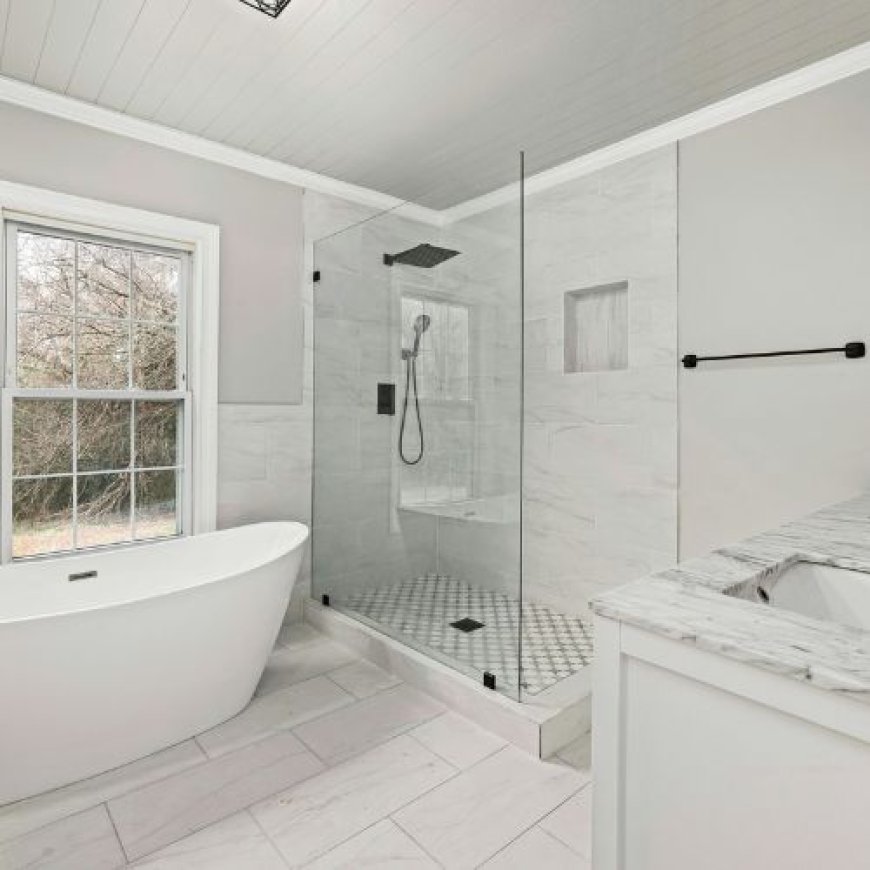
Planning a bathroom remodeling in Houston, TX is about more than choosing new tile or replacing an old vanity. A successful bathroom renovation requires careful planning around your budget, layout, materials, plumbing, electrical work, ventilation, permits, and project timeline.
For Houston homeowners, there are also local considerations worth keeping in mind. Houston's warm, humid climate makes moisture management and proper ventilation particularly important when selecting materials and planning a bathroom renovation.
Whether you want to update an outdated bathroom, improve functionality, or create a more comfortable space, having a clear plan can help you avoid unexpected costs and delays.
1. Define Your Bathroom Remodeling Goals
Start by identifying what you want to accomplish with your bathroom remodel.
Walk through your existing bathroom and make a list of what works and what does not. You may want to replace outdated fixtures, improve storage, create a larger shower, update the flooring, or completely change the layout.
Consider questions such as:
-
Is the bathroom difficult to use?
-
Do you need more storage?
-
Is the shower or bathtub outdated?
-
Are the cabinets or countertops damaged?
-
Is the bathroom poorly ventilated?
-
Do the plumbing fixtures need to be replaced?
-
Do you want to improve accessibility?
-
Are you planning a cosmetic update or a complete renovation?
Defining your goals early makes it easier to determine which improvements should be prioritized.
2. Set a Realistic Bathroom Remodeling Budget
Your budget should be established before selecting materials and fixtures. A bathroom remodel can range from a relatively simple cosmetic update to a major renovation involving plumbing, electrical, structural, and layout changes.
Your budget may need to cover:
-
Demolition
-
Labor
-
Flooring and tile
-
Shower or bathtub
-
Vanity and countertops
-
Cabinets and storage
-
Plumbing fixtures
-
Lighting and electrical work
-
Ventilation
-
Painting
-
Permits and inspections, when applicable
-
Unexpected repairs
It is also smart to keep part of your budget available for unexpected problems. Once walls, flooring, or fixtures are removed, contractors may discover plumbing damage, water-related problems, outdated wiring, or other issues that were not visible initially.
What Should You Include in Your Bathroom Remodeling Budget?
A detailed budget should account for both the visible upgrades and the work behind the walls.
For example, a new shower may require more than a new shower enclosure. Plumbing modifications, waterproofing, tile installation, fixtures, and labor may all affect the final cost.
Ask your contractor for a detailed estimate that separates major categories of work and clearly identifies what is included.
3. Decide on Your Bathroom Layout
The layout has a major impact on the functionality and cost of your bathroom remodel.
If the current arrangement works well, keeping the toilet, shower, bathtub, and vanity in their existing locations may help control costs. Moving plumbing fixtures can require additional plumbing work and may increase the complexity of the project.
However, changing the layout can make sense when the existing bathroom is difficult to use or does not make efficient use of the available space.
Think about:
-
Door and cabinet clearance
-
Shower access
-
Vanity placement
-
Toilet location
-
Storage
-
Walking space
-
Natural and artificial lighting
-
Accessibility
Before ordering fixtures, make sure measurements have been carefully confirmed. A fixture that looks appropriate online may not work well once you account for walls, doors, plumbing connections, and clearance requirements.
4. Choose Bathroom Materials That Work for Houston Homes
Choosing the right materials is an important part of planning a bathroom remodel in Houston.
Bathrooms regularly experience water and moisture, while Houston's climate can add additional humidity. Materials should therefore be selected based on durability, moisture resistance, appearance, and maintenance requirements.
Common options include:
-
Ceramic tile
-
Porcelain tile
-
Natural stone
-
Waterproof flooring
-
Quartz countertops
-
Moisture-resistant cabinetry
-
Durable plumbing fixtures
Your contractor can help you determine which materials are appropriate for your bathroom and the type of remodeling work being performed.
Bathroom Materials to Consider
Porcelain and ceramic tile: These are commonly used for bathroom floors and walls because they are available in many styles and are relatively easy to maintain.
Quartz countertops: Quartz can provide a durable and low-maintenance surface for bathroom vanities.
Water-resistant flooring: Bathroom flooring should be selected with moisture exposure in mind.
Moisture-resistant cabinetry: Properly selected cabinetry can help withstand the conditions commonly found in bathrooms.
The best material will depend on your budget, design preferences, maintenance expectations, and the specific conditions of your bathroom.
5. Plan Bathroom Lighting and Ventilation
Lighting can dramatically change how a bathroom looks and functions.
Instead of relying on a single ceiling light, consider using several types of lighting. Vanity lighting can improve visibility around the mirror, while general lighting can illuminate the entire room.
You may also want accent lighting if you are creating a more customized design.
Ventilation is equally important.
Bathrooms produce moisture from showers, baths, and sinks. Proper ventilation helps move humid air out of the room and can reduce moisture-related problems.
When planning your remodel, discuss the bathroom's ventilation system with your contractor and determine whether the existing exhaust fan is adequate for the space.
6. Consider Plumbing and Electrical Updates
A bathroom remodel provides an opportunity to evaluate plumbing and electrical systems that may be outdated or in poor condition.
If you are replacing fixtures without changing their locations, the plumbing work may be relatively straightforward. However, moving a toilet, shower, bathtub, or sink can require more extensive work.
Electrical planning is also important if you are adding:
-
New lighting
-
Additional outlets
-
Heated features
-
Exhaust fans
-
Vanity lighting
-
Other electrical fixtures
Electrical components located near water require appropriate safety measures. Discuss the planned electrical work with a qualified professional and make sure the installation follows applicable requirements.
7. Understand Bathroom Remodeling Permits in Houston
Permit requirements can depend on the type and scope of remodeling work and the location of the property.
A simple cosmetic update may have different requirements from a project involving plumbing, electrical, structural, or other significant modifications.
Before starting work, determine whether permits or inspections are required for your project. Your remodeling contractor can help identify which parts of the project may require permits and explain who will be responsible for obtaining them.
Taking care of permit requirements before construction begins can help prevent unnecessary delays later.
8. Choose the Right Bathroom Remodeling Contractor
The contractor you choose can have a major impact on your remodeling experience.
Instead of selecting a contractor based only on the lowest estimate, look at the contractor's experience, communication, previous projects, reviews, and understanding of the work involved.
When comparing contractors, consider:
-
Experience with bathroom remodeling
-
Previous project examples
-
References and reviews
-
Insurance and applicable credentials
-
Written estimates
-
Project timelines
-
Communication process
-
Warranty information
-
Permit responsibilities
A detailed written estimate should make it easier to understand what you are paying for and identify potential additional costs.
Questions to Ask a Bathroom Remodeling Contractor
Before hiring a contractor, ask questions such as:
How long will the project take?
Ask for an estimated timeline and identify factors that could cause delays.
Who will handle permits?
Clarify whether the contractor will obtain required permits or whether you are expected to handle them.
What materials are included?
Make sure the estimate clearly explains which fixtures, finishes, and materials are included.
How are unexpected costs handled?
Ask what happens if hidden plumbing damage, water damage, or other issues are discovered.
Who will supervise the project?
Find out who your main point of contact will be throughout the renovation.
Is the work covered by a warranty?
Understand what workmanship or materials are covered and for how long.
9. Create a Bathroom Remodeling Timeline
Having a general timeline can help you understand how the project will progress.
A typical bathroom renovation may include several stages:
-
Initial planning
-
Design and measurements
-
Material selection
-
Contractor selection
-
Permits, if required
-
Material ordering
-
Demolition
-
Plumbing and electrical work
-
Waterproofing and preparation
-
Flooring, tile, and other installation
-
Fixture installation
-
Painting and finishing
-
Final inspection or walkthrough
The exact timeline will depend on the size of the bathroom, project complexity, material availability, permit requirements, and whether unexpected problems are discovered.
Ordering materials early can help reduce delays, particularly when fixtures or specialty products have longer lead times.
10. Prepare Your Home Before Remodeling Begins
Bathroom remodeling can temporarily affect your daily routine, so prepare your home before construction begins.
If you have another bathroom available, decide how you will use it during the renovation.
You should also:
-
Remove personal items from the bathroom
-
Clear nearby areas
-
Protect belongings from dust and debris
-
Discuss access to your home with the contractor
-
Confirm working hours
-
Determine where materials and construction waste will be placed
-
Confirm material delivery dates
If the bathroom is your only bathroom, discuss the expected duration of the work with your contractor before construction starts so you can plan accordingly.
11. Plan for Houston-Specific Bathroom Considerations
A bathroom remodel in Houston should take the local climate into account.
Houston's warm and humid conditions make moisture management an important consideration. Proper ventilation, suitable materials, and careful installation can help create a bathroom that is easier to maintain.
Older homes may also have existing plumbing, electrical, or moisture-related issues that need to be addressed during renovation.
What's Your Reaction?