






















How to Design a Trade Show Booth That Attracts More Visitors in San Francisco
Discover how to design a trade show booth that attracts more visitors in San Francisco. Learn about effective booth layouts, eye-catching graphics!

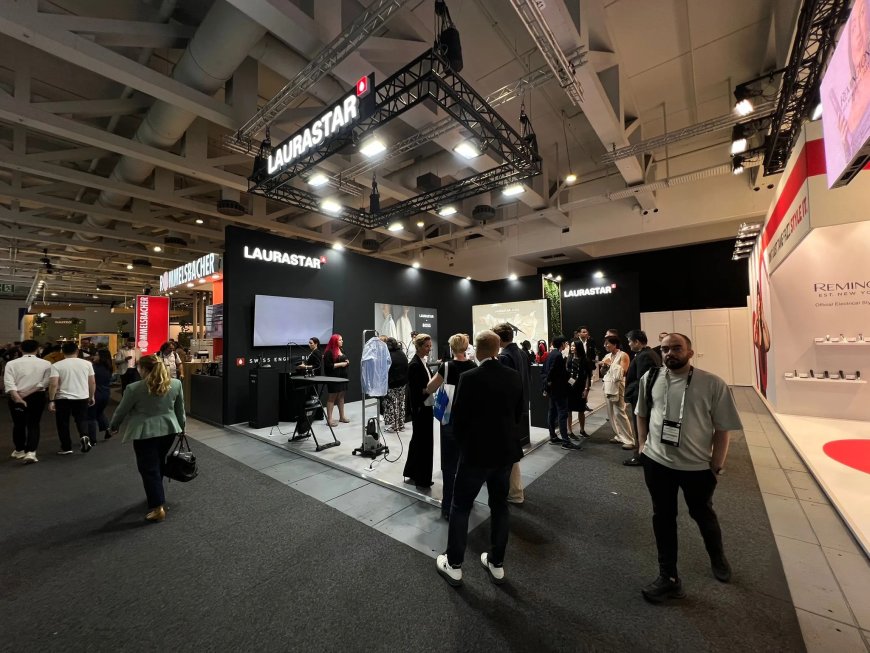
San Francisco hosts some of the biggest tech and B2B shows in the world. That means your booth competes with hundreds of others for attention. Showing up with a few banners will not cut it.
Here is the trap many exhibitors fall into. They mistake crowds for customers. A busy booth feels great, but a busy booth full of the wrong people does nothing for your sales team. Your design should pull in the right buyers and filter out the rest.
This trade show marketing guide covers the basics. You will learn how to set goals, plan your layout, use demos, train your staff, and follow venue rules. If you plan to work with Trade Show Booth Builders in USA, these ideas will help you give them a clear brief and get a better result.
Start With One Clear Goal
Before you search for San Francisco trade show booth rentals, ask yourself one question. What does a win look like? Maybe you are launching a new product. Maybe you want channel partners. Maybe you want to book demos with enterprise buyers. Pick one main goal. Every design choice flows from it.
Visitors on the show floor decide in seconds whether your booth matters to them. Freeman, a major exhibit services firm, says the best approach is to say plainly what you do. Skip the clever slogans that need explaining. Skip the walls of product details. A short headline of five to seven words that speaks to a real customer problem beats a block of text every time.
Once your goal is set, brief a trade show booth design company San Francisco and tell them the goal first. They can then build a space that supports it.
Get Noticed in Seconds
Hundreds of exhibitors want the same eyes you do. So your booth needs to stand out. But standing out does not mean ditching your brand. Keep your look in line with your website and sales materials. That builds trust fast.
Use strong contrast, bold brand colors, and easy-to-read type. Nimlok, a display maker, suggests pairing short messaging with one big, sharp image. This helps people grasp your offer at a glance. If you try to explain every product on your backwall, people will keep walking.
Think tall, too. Hanging signs and overhead banners help people spot you from across the hall. Keep your logo and main message above the usual crowd height. That is about 8 feet for inline booths and 10 to 16 feet for island booths. Classic Exhibits backs this approach, as long as you follow the venue's rigging rules.
Keep the Layout Open and Welcoming
A friendly booth starts at the aisle. Leave the entrance open. One of the most common mistakes is putting a table or counter right on the aisle line. It acts like a wall. People feel blocked, so they stay out. Move counters to the side or pull them deeper into your space.
Many designers follow a simple rule of thumb. Keep about 40 percent of your booth as open floor. This is a guideline from experience, not a hard scientific rule. Still, extra breathing room cuts crowding and makes your booth feel easy to enter.
Next, split your booth into zones. Skyline Exhibits suggests one area for greeting, one for demos, and one for private talks. Visitors then move through your space with a purpose. They do not have to guess where to go. If you use Trade Show Exhibit Rentals In San Francisco, ask your provider to build these zones in a modular way. That lets you match them to how you handle leads.
Use Demos and Hands-On Moments
Action attracts action. A central attraction gives people a reason to stop and stay. It could be a hands-on product trial, a live demo, or a short guided quiz that shows how your product fits their needs.
Touchscreens, video walls, and virtual reality can draw a crowd. But use tech with care. It should support your story and your lead capture, not replace real conversation. Ask one test question. Does this display lead to a qualifying question or a captured lead? If not, it is just a distraction.
Put your demos right in the flow of foot traffic. They should act as a bridge. First, a visitor notices something interesting. Next, someone starts a real sales conversation. A good demo makes that handoff feel easy.
Picture a software company with a live dashboard on a big screen. A team member invites a passerby to type in a sample company name. The dashboard fills with that company's data in seconds. Now the visitor is engaged, and the rep has a natural opening to ask about their current tools.
Place Your Staff and Meeting Areas Well
Even a stunning booth fails if your team stands in the wrong place or does not know what to do. Put a greeting point near the front. Put demos in the middle. Save space deeper inside for real talks with qualified buyers.
Every booth needs a spot for serious conversations. Even a small inline booth can fit a compact meeting area, like a high-top table or two comfortable chairs. Larger spaces do well with semi-private pods or enclosed meeting rooms.
Staff training matters just as much as the floor plan. Your team should qualify visitors, not just scan every badge that walks by. Give them a trade show exhibitor checklist that spells out each role. You need greeters, demo leads, and a lead capture owner. Teach everyone to ask open-ended questions. Also teach them how to end a chat politely when the person is not a fit. That is not rude. It saves time for you and for them.
Booth Ideas by Size
Your layout depends on your square footage. Here is how to plan for each common size.
10x10 Inline Booths
In a small space, go simple. Use one big headline and one main visual. Keep the aisle side fully open. Add one engagement moment, like a quick digital demo or a product sample. Squeeze in a small meeting spot so serious talks can happen away from the aisle. Light your hero product or backwall well. A dim booth looks forgotten.
10x20 Inline Booths
This shape works well for a simple path. Put an eye-catching graphic at the aisle. Place a greeting and demo station in the middle. Set up lead capture toward the back. Use one strong backdrop, and hide storage for brochures and bags. A trade show booth builder San Francisco can help you use every foot of this mid-sized space.
20x20 Island Booths
An island booth gets visitors from all four sides, so design for that. Do not build solid walls that block sightlines. Use a central focal point that people can see from every aisle, like a stage or a hero product display. Keep busy engagement areas near the edges. Tuck private meeting spaces deeper inside.
Larger Custom Exhibits
With a big footprint, plan the visitor journey on purpose. Include zones for learning, demos, and closing conversations. Mix self-guided digital experiences with staff-led talks. Give every zone a goal you can measure. At this scale, logistics get complicated. Working with a strong Trade Show Booth Rental In USA provider can take much of that load off your plate.
Venue Rules to Plan Around
Start every San Francisco booth design with the exhibitor manual for your specific event. Show rules are often stricter than general venue rules. Still, it helps to know the basics of the building. Check the San Francisco convention center calendar early, too. It shows how big your show is and whether other events might affect your move-in.
Use this Moscone Center Guide as a quick starting point. These are verified planning points:
-
Rigging and fire safety: Hanging signs and banners need 18 inches of clearance from ceiling sprinkler heads.
-
Floor clearance: Rigged banners over open booth areas need at least 8 feet of clearance. Otherwise, they must reach the floor.
-
Aisle limits: Easels, A-frame signs, literature stands, and giveaways must stay inside your booth space. Do not spill displays into the aisle.
-
Sturdy builds: Booth construction must be solid and fixed in place. Wobbly or temporary-looking structures can be rejected by inspectors on site.
-
Plans and permits: Fire marshal plans often need scaled drawings that show base and height details. You also need to arrange temporary access permits for loading and unloading.
A reliable provider of San Francisco exhibit Rentals will know these rules already. Your design choices then meet local guidelines from the start.
Measure What Matters
A packed booth is not the same as a productive one. A flashy giveaway can pull in hundreds of people. If none of them can buy from you, your return will be poor.
Plan how you will measure results before the show starts. Decide how you will retrieve leads. Then track what counts. Count qualified conversations, finished demos, and booked follow-up meetings. Total badge scans tell you very little.
Assign a clear owner for post-show follow-up. Make sure your CRM is ready to send new contacts to sales right away. Freeman also recommends building your post-show surveys and debrief documents weeks before you travel.
Final Thoughts
Great booths mix bold messaging, smart floor plans, and well-prepared staff. Start with a clear goal. Keep the layout open. Build zones with a purpose. Then train your team to have real conversations.
Maybe you will buy a custom build. Maybe you will hire a Trade Show Booth Design Company in San Francisco to shape the whole look. Either way, keep the visitor journey at the center of every choice. Aim for real conversations, follow the venue rules, and your next Bay Area show can deliver results you can measure.
What's Your Reaction?