






























How Smoking Affects Erectile Health & Function
Learn how smoking can affect erections, blood flow, hormones, and sexual health, plus practical steps that may support better erectile function.
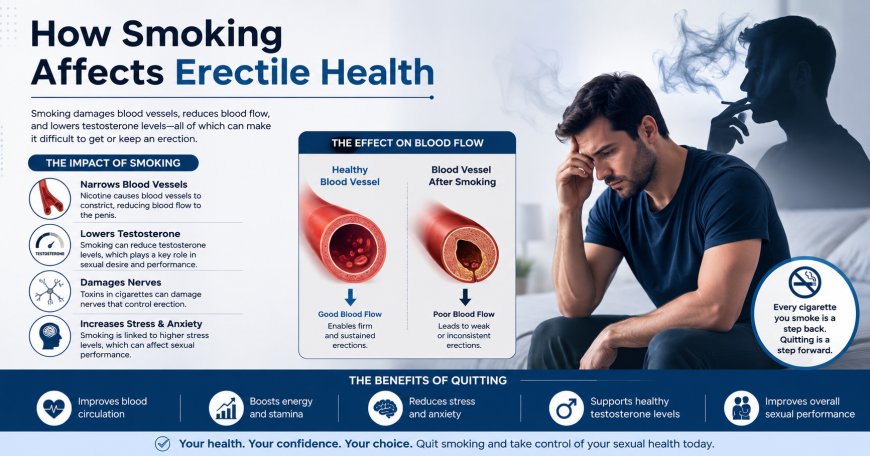
How Smoking Affects Erectile Health
Smoking affects much more than lung health. It can also have a significant impact on erectile function and overall sexual health. An erection depends on healthy blood vessels, adequate blood flow, nerve signalling, and psychological wellbeing. Smoking can interfere with several of these processes.
Research has consistently associated cigarette smoking with a higher risk of erectile dysfunction (ED). The good news is that quitting smoking can improve cardiovascular health and may support better erectile function over time.
Why Does Smoking Cause Erectile Dysfunction?
An erection occurs when sexual stimulation triggers signals that cause blood vessels in the penis to relax and widen. This allows increased blood flow into erectile tissue.
Smoking can interfere with this process in several ways:
-
Damages blood vessels: Chemicals in tobacco smoke can injure the lining of blood vessels.
-
Reduces nitric oxide activity: Nitric oxide plays an important role in relaxing penile blood vessels.
-
Restricts blood flow: Nicotine can cause blood vessels to constrict.
-
Promotes atherosclerosis: Long-term smoking contributes to the buildup of plaque in arteries.
-
Increases oxidative stress: Tobacco smoke contains substances that can damage cells and tissues.
-
Affects cardiovascular health: Heart and blood-vessel problems can make it harder to achieve or maintain an erection.
Because penile arteries are relatively small, problems with blood flow may sometimes become noticeable through erectile difficulties before other cardiovascular symptoms appear.
Can Smoking Reduce Sexual Performance?
Yes. Smoking may contribute to difficulties with achieving or maintaining an erection and can affect overall sexual wellbeing.
Some smokers may also experience reduced stamina, poorer circulation, and concerns about sexual performance. These effects can become more significant when smoking occurs alongside other risk factors such as diabetes, high blood pressure, obesity, physical inactivity, or excessive alcohol consumption.
Does Nicotine Affect Erections?
Nicotine can temporarily narrow blood vessels and increase sympathetic nervous system activity. This may make it more difficult for adequate blood to reach erectile tissue.
Regular nicotine exposure can also contribute to dependence, making quitting difficult. Both cigarettes and some other nicotine-containing products can therefore be relevant when discussing sexual and cardiovascular health.
Smoking and Testosterone
The relationship between smoking and testosterone is complex. Smoking does not simply cause testosterone levels to fall in every person. However, tobacco use can negatively affect overall reproductive and vascular health.
If someone has symptoms such as reduced libido, erectile problems, fatigue, or changes in sexual function, a healthcare professional can assess whether hormones or other medical conditions may be contributing.
Can Quitting Smoking Improve Erectile Function?
Quitting smoking is one of the most beneficial lifestyle changes for cardiovascular health. As circulation and vascular function improve, some people may also experience improvements in erectile function.
The timeframe varies. Some changes in circulation can occur relatively soon after quitting, while recovery from long-term vascular damage may take much longer.
If ED continues after quitting, other causes should be investigated rather than assuming that smoking was the only factor.
Lifestyle Changes That Support Erectile Health
Stopping smoking is an important step, but it works best as part of a broader approach.
Exercise Regularly
Physical activity supports cardiovascular fitness and healthy circulation. Aim for regular moderate exercise, such as brisk walking, cycling, swimming, or another activity you can maintain safely.
Maintain a Healthy Weight
Excess body weight is associated with cardiovascular and metabolic problems that can contribute to ED. A balanced diet and regular activity can support healthier blood vessels.
Limit Alcohol
Heavy alcohol consumption can interfere with erections and sexual performance. Reducing alcohol may improve both general and sexual health.
Manage Stress
Stress and performance anxiety can contribute to ED. Relaxation techniques, adequate sleep, counselling, or relationship support may be helpful depending on the cause.
Control Existing Health Conditions
Conditions such as diabetes, high blood pressure, and high cholesterol can affect erectile function. Managing these conditions with professional guidance can reduce sexual-health risks.
Smoking and Erectile Health: Why Quitting Matters
At Modalert Australia, we believe that understanding the connection between lifestyle habits and sexual health can help people make more informed decisions. Smoking is an important modifiable risk factor for erectile dysfunction because tobacco use can damage blood vessels, reduce healthy circulation, and interfere with the normal processes involved in achieving an erection.
Quitting smoking, staying physically active, maintaining a healthy weight, limiting alcohol, and managing stress can all support better cardiovascular and sexual health. If erectile difficulties continue despite lifestyle changes, speaking with a qualified healthcare professional can help identify underlying causes and appropriate treatment options.
When Should You See a Doctor?
Occasional erection difficulties are common, but persistent or worsening ED deserves medical evaluation.
Speak with a healthcare professional if:
-
ED happens repeatedly.
-
You have diabetes or high blood pressure.
-
You smoke heavily.
-
You have chest pain or cardiovascular symptoms.
-
Your libido has changed significantly.
-
You have other urinary or reproductive symptoms.
-
Lifestyle changes have not improved the problem.
ED can sometimes be associated with cardiovascular disease, so it should not always be treated as an isolated sexual problem.
Frequently Asked Questions
Can smoking permanently cause erectile dysfunction?
Long-term smoking can contribute to vascular damage that may persist. However, quitting can improve cardiovascular health and may improve erectile function. The extent of recovery depends on individual health and the degree of existing damage.
How many cigarettes a day can cause erectile dysfunction?
There is no specific number that guarantees ED. Risk generally increases with tobacco exposure, and even people who smoke relatively little can experience vascular effects.
Can quitting smoking make erections stronger?
It can help by supporting healthier blood-vessel function and circulation. However, improvement varies and may depend on other causes of ED.
How long after quitting smoking will erections improve?
There is no universal timeline. Some vascular benefits begin after quitting, but noticeable changes in erectile function may take longer and vary between individuals.
Does vaping affect erectile health?
Vaping is not harmless. Nicotine can affect blood vessels, and the long-term effects of vaping on erectile function continue to be studied. Avoiding nicotine is the safest approach for cardiovascular and sexual health.
Can smoking cause low libido?
Smoking does not necessarily cause low libido directly, but nicotine dependence, poor cardiovascular health, stress, and other smoking-related problems may affect sexual wellbeing and desire.
Can erectile dysfunction be reversed?
ED can sometimes improve substantially when underlying causes are addressed. Quitting smoking, exercising, managing health conditions, and treating psychological factors may help. Medical treatment may also be appropriate for some men.
Should young men worry about smoking and ED?
Yes. Erectile health depends on vascular health at every age. Smoking can affect blood vessels long before someone develops other obvious cardiovascular symptoms.
Final Takeaway
Smoking can negatively affect erectile health by damaging blood vessels, restricting circulation, increasing oxidative stress, and contributing to cardiovascular disease. Quitting smoking is an important step toward protecting both sexual and overall health.
If erectile difficulties persist, consult a healthcare professional rather than relying only on ED medication. Identifying and treating the underlying cause can provide a safer and more effective long-term approach.
What's Your Reaction?