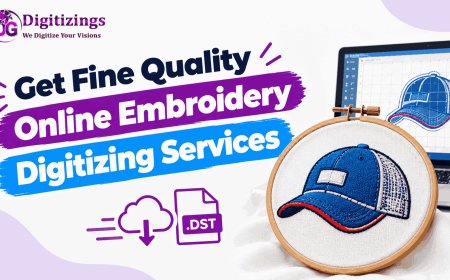






























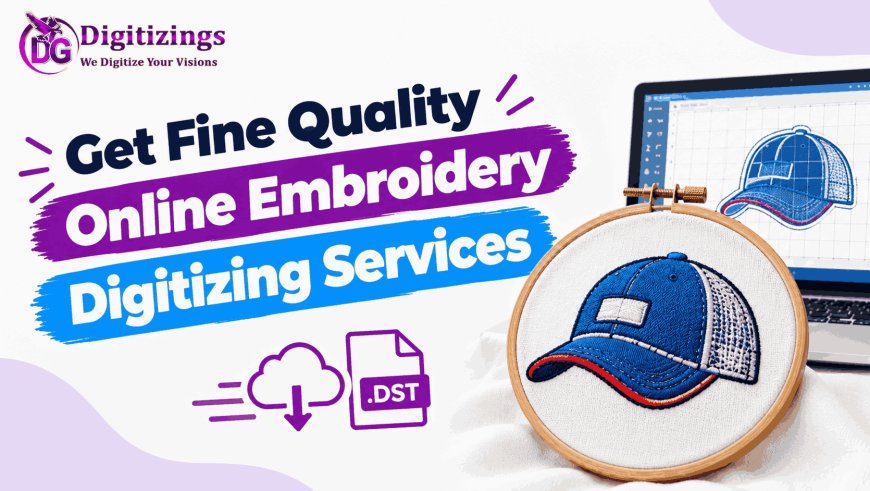
Get Fine Quality Online Embroidery Digitizing Services
Get fine-quality online embroidery digitizing services with accurate stitch files, professional design conversion, fast turnaround, and reliable results for machine embroidery.
High-quality embroidery begins with a high-quality digital file. Whether the artwork is a company logo, custom illustration, monogram, sports emblem, promotional graphic, or detailed jacket-back design, the final embroidered result depends heavily on how the artwork is converted into stitches.
This is where online embroidery digitizing services provide valuable support. Instead of handling complicated digitizing software and production settings internally, businesses and individuals can send artwork to professional digitizers and receive embroidery-ready files suitable for their machines and products.
Fine-quality digitizing is about much more than changing an image into a machine file. A professional digitizer considers stitch direction, density, underlay, compensation, sequencing, lettering, fabric behavior, design size, and machine requirements. These details determine whether the finished embroidery looks smooth and professional or suffers from gaps, distortion, excessive thread buildup, and poor definition.
For apparel brands, embroidery shops, promotional companies, uniform suppliers, and individual customers, choosing the right online embroidery digitizing service can make the entire production process easier and more reliable.
What Are Online Embroidery Digitizing Services?
Online embroidery digitizing services allow customers to submit artwork digitally and receive a completed embroidery file without needing to visit a physical digitizing office.
The process generally begins with artwork submission. The artwork may be provided in formats such as:
-
JPG
-
PNG
-
PDF
-
AI
-
SVG
-
Existing embroidery files
-
Screenshots
-
Other digital references
The digitizer reviews the artwork and determines how it should be constructed for embroidery.
From Artwork to Embroidery File
The digitizer converts visual elements into embroidery objects and stitch instructions.
These instructions tell the embroidery machine:
-
Where to stitch
-
Which direction to stitch
-
How densely to stitch
-
When to stop
-
When to change colors
-
Where to trim
-
How different design elements should overlap
The result is a machine-readable file prepared for the intended embroidery application.
Why Fine-Quality Digitizing Matters
A design can look perfect as a digital image and still produce poor embroidery.
Printed graphics rely on pixels, gradients, and extremely thin lines. Embroidery relies on physical thread, needles, fabric, and machine movement.
Poor Digitizing Can Create Production Problems
Low-quality digitizing may result in:
-
Uneven stitch coverage
-
Gaps between objects
-
Excessive density
-
Puckering
-
Poor registration
-
Unreadable lettering
-
Unnecessary trims
-
Excessive jumps
-
Distorted shapes
These problems may become more expensive when the same design is used repeatedly.
Quality Starts Before the Machine Runs
A professional digitizing service addresses potential issues during file preparation rather than waiting for the embroidery machine to expose them.
This can reduce production surprises and improve consistency across multiple orders.
Benefits of Ordering Embroidery Digitizing Online
Online services have made professional digitizing accessible to customers in different locations.
Convenient Artwork Submission
Customers can submit artwork electronically rather than transporting physical samples or visiting an office.
Easy Communication
Design instructions, sizes, colors, garment details, and revision requests can be exchanged digitally.
Access to Specialized Expertise
An online service may provide access to digitizers experienced in different embroidery applications.
Useful for Repeat Orders
Once an approved file is created, customers can keep the file for future production and request additional sizes or formats when necessary.
Choosing a Fine-Quality Online Embroidery Digitizing Service
Not every online provider offers the same level of quality.
When comparing services, look beyond price and turnaround alone.
Review the Provider's Digitizing Experience
Look for experience with the type of embroidery you actually need.
A provider specializing in logos may approach a complex photo design differently from a specialist experienced in caps, patches, or 3D puff embroidery.
Examine Sample Work
A portfolio can reveal how well the provider handles:
-
Small lettering
-
Fine details
-
Curves
-
Borders
-
Dense areas
-
Large fills
-
Multiple colors
Look Beyond the Artwork Preview
A polished digital preview is useful, but the quality of the actual stitch construction is more important.
Whenever possible, evaluate examples of finished embroidery rather than only computer-generated images.
Custom Logo Digitizing
Business logos are among the most common projects ordered from online digitizing services.
A logo often needs to work in several sizes and on different garments.
Preserving Brand Identity
A professional digitizer should identify which parts of the logo are essential and which details may need adjustment.
Important elements may include:
-
Brand lettering
-
Primary shapes
-
Signature symbols
-
Borders
-
Key colors
Simplifying Without Losing Recognition
Embroidery sometimes requires simplification.
The objective is not to reproduce every tiny detail from the original artwork. The objective is to maintain the identity of the design while making it practical for thread.
Small Lettering Quality
Small lettering is one of the best tests of digitizing expertise.
Tiny words can easily become unreadable if the stitches are too dense, too short, or incorrectly spaced.
Factors Affecting Small Text
Professional digitizing considers:
-
Font style
-
Letter height
-
Stroke thickness
-
Character spacing
-
Stitch length
-
Density
-
Fabric
-
Underlay
When Small Text Needs Modification
A digitizer may strengthen thin strokes, increase spacing, simplify characters, or recommend a larger size.
Sometimes removing secondary wording produces a much more professional result than trying to force every word into an extremely small area.
Fine Details and Complex Artwork
Detailed graphics can be challenging because thread cannot reproduce every visual feature of a digital image.
Managing Fine Lines
Extremely narrow lines may disappear or become inconsistent after stitching.
A professional digitizer can modify the construction to preserve the overall visual effect.
Handling Complex Shapes
Overlapping artwork can require careful sequencing to prevent gaps and unwanted registration problems.
Prioritizing Important Details
The most important design elements should receive priority.
Unimportant micro-details can often be simplified without changing the overall impression of the artwork.
Importance of Stitch Density
Stitch density affects both appearance and machine performance.
Too much density can create heavy thread buildup, while too little can result in incomplete coverage.
Finding the Right Balance
A professional digitizer evaluates density based on:
-
Design size
-
Fabric
-
Thread
-
Stitch type
-
Underlay
-
Object shape
-
Intended application
Why Maximum Density Is Not Always Better
Adding more stitches does not automatically improve quality.
Too many stitches can increase machine time, create bulk, and contribute to fabric distortion.
Fine-quality digitizing uses only the amount of stitching needed to achieve the desired visual and structural result.
Underlay and Fabric Support
Underlay provides a foundation beneath the visible stitches.
It helps stabilize the material and can improve top-stitch coverage.
Different Fabrics Need Different Approaches
Cotton, denim, fleece, nylon, twill, terry cloth, and stretch fabrics can respond differently to embroidery.
Matching Underlay to the Application
The digitizer should consider how much support is needed without creating unnecessary thickness.
Too little support can lead to poor definition. Too much can create unwanted bulk.
Push and Pull Compensation
Embroidery thread creates tension as it is stitched into fabric.
This can cause objects to shift slightly during production.
Why Compensation Matters
Compensation helps the digitizer anticipate these changes and preserve the intended shape.
It is particularly useful for:
-
Small lettering
-
Borders
-
Narrow columns
-
Large filled objects
-
Detailed logos
Reducing Gaps
Proper compensation can help neighboring elements meet correctly rather than leaving visible gaps between them.
Professional Stitch Sequencing
The order in which a design is embroidered can affect both quality and machine efficiency.
Improving Registration
Logical sequencing can help overlapping elements remain properly aligned.
Reducing Unnecessary Machine Movement
Efficient sequencing can reduce avoidable jumps, trims, and travel.
Grouping Similar Colors
Where practical, objects using the same thread color can be organized together to reduce unnecessary color changes.
This can be especially useful for repeat production.
Online Digitizing for Structured Caps
Caps are among the most popular embroidery applications, but their curved surfaces create technical challenges.
Cap-Specific Considerations
A professional digitizer may need to account for:
-
Front-panel curvature
-
Center seams
-
Limited embroidery space
-
Stitch direction
-
Small lettering
-
Thread buildup
3D Puff for Caps
Structured caps are also commonly used for 3D puff embroidery.
Bold letters and uncomplicated shapes often work well for raised embroidery, while very small details may need to be simplified.
Online Jacket-Back Digitizing
Large jacket-back designs can create a strong visual impact and are frequently used for fashion, uniforms, promotional products, and team apparel.
Large Designs Need Balanced Construction
Jacket-back designs require careful control of:
-
Stitch count
-
Density
-
Sequencing
-
Registration
-
Design size
-
Fabric interaction
Avoiding Excessive Weight
A large design does not need maximum density in every section.
Efficient digitizing can create adequate coverage while avoiding unnecessary thread buildup.
Patch and Badge Digitizing
Patches and badges require clean edges, strong shapes, and dependable border construction.
Creating Strong Borders
The outer border can define the entire patch.
Professional satin construction can help create a smooth and consistent edge.
Supporting Different Patch Styles
Custom patch digitizing can accommodate company logos, team badges, uniforms, club emblems, and decorative artwork.
Custom 3D Puff Digitizing
3D puff embroidery adds physical height to selected elements of a design.
Choosing Suitable Artwork
Bold fonts, initials, numbers, and simple symbols tend to work well for raised effects.
Simplifying Fine Details
Tiny details may not remain clear when combined with foam and raised stitching, so professional digitizing may require modifications.
Photo-to-Embroidery Services
Photos contain far more visual information than embroidery can normally reproduce directly.
Converting Tones Into Stitches
A digitizer may interpret the image through:
-
Major shapes
-
Contrast
-
Shading
-
Tonal transitions
-
Simplified outlines
Setting Realistic Expectations
Photo embroidery works best when customers understand that the finished result is an embroidered interpretation rather than a literal printed photograph.
Machine File Formats
The finished embroidery file must be compatible with the intended machine.
Common formats include:
-
DST
-
PES
-
EXP
-
JEF
-
HUS
-
VP3
-
XXX
Why the Correct Format Matters
Providing the correct machine format can prevent unnecessary conversion work and production delays.
Multiple Formats for One Design
Businesses using different embroidery systems may request the same approved design in several formats.
An online digitizing service can prepare those versions when needed.
DST and PES Conversion
DST and PES are among the most frequently encountered embroidery formats.
DST
DST is commonly used in commercial embroidery workflows and is widely supported by many embroidery systems.
PES
PES is strongly associated with Brother embroidery systems and is common in many home and small-business embroidery environments.
Conversion Is Not Redigitizing
Changing a file from DST to PES or another format does not automatically improve its stitch quality.
If the original file contains poor density, weak lettering, or bad sequencing, those problems may remain after conversion.
The Importance of Test Stitching
A digital preview can provide useful information, but actual embroidery testing remains valuable.
What Testing Can Reveal
A test stitch may expose:
-
Fabric distortion
-
Lettering problems
-
Registration issues
-
Excessive density
-
Color concerns
-
Unexpected thread buildup
-
Placement problems
Refining the Final File
The results of a test stitch can help the digitizer make targeted changes before high-volume production begins.
File Delivery and Organization
A professional online service should make files easy to identify and use.
Clear File Names
A useful name can contain:
Brand-Design-Application-Size-Revision
For example:
CompanyLogo-Cap-3in-V2
Why Version Control Matters
Businesses often have multiple sizes and revisions of the same logo.
Clear file naming reduces the chance of accidentally using an outdated file.
How Fine-Quality Digitizing Saves Production Time
Good digitizing can improve machine efficiency as well as appearance.
Fewer Unnecessary Trims
Efficient object connections can reduce machine stops and thread cutting.
Fewer Unnecessary Jumps
Logical sequencing can reduce avoidable movement between design elements.
Better Color Organization
Grouping similar colors can reduce repeated thread changes.
Why Small Savings Matter
A few seconds saved per garment can turn into hours of production savings when hundreds of pieces are embroidered.
This makes quality digitizing an important part of production management.
Benefits of Working With an Online Service
Online digitizing is especially convenient for businesses with remote teams or customers in different locations.
Simple Digital Workflow
Artwork can be submitted electronically, reviewed, revised, and delivered without physical travel.
Suitable for Repeat Customers
Approved files can be retained and adapted for future applications.
Access to Specialized Services
Customers can request specific services such as:
-
Small lettering
-
Cap digitizing
-
3D puff
-
Jacket backs
-
Patches
-
Appliqué
-
Monograms
-
Photo embroidery
-
Specialty designs
Questions to Ask Before Ordering
Choosing an online embroidery digitizing provider becomes easier when you know what to evaluate.
Can the Service Handle My Design Type?
Ask whether the provider has experience with your particular artwork and product.
What File Format Will I Receive?
Confirm that the delivered format matches your embroidery equipment.
Are Revisions Supported?
A revision process is valuable when test stitching reveals an issue.
Does the Provider Consider Fabric and Product Type?
A professional service should understand that digitizing depends on the intended application.
Is Test Stitching Recommended?
For complex or high-volume projects, testing can be an important part of quality control.
Common Mistakes When Ordering Online Digitizing
Choosing Only by Price
The lowest quote may not offer the best value if the file produces poor embroidery.
Providing No Size Information
The digitizer needs to know the intended embroidery dimensions.
Ignoring the Fabric
A design created without material information may not perform as expected.
Assuming One File Fits Everything
Different garments and products may require different versions.
Skipping Production Testing
Important embroidery designs should ideally be evaluated before a large production run.
How to Get the Best Results From an Online Digitizing Service
Customers can improve the workflow by supplying complete information from the beginning.
Provide High-Quality Artwork
Vector files are often helpful, but professional digitizers can also work with many raster references.
Specify the Final Size
Tell the digitizer the intended width or height.
Identify the Product
Mention whether the design will be used on:
-
Cap
-
Polo shirt
-
Jacket
-
Patch
-
Bag
-
Towel
-
Uniform
-
Other garment
Explain Special Requirements
Provide information about 3D puff, appliqué, thread colors, small lettering, or other requirements before digitizing begins.
About Digitizings
Digitizings provides online embroidery digitizing and vector art services for businesses, apparel brands, embroidery shops, promotional companies, and individual customers. Its range of services includes custom embroidery digitizing, logo digitizing, cap and hat digitizing, 3D puff, appliqué, jacket-back designs, monograms, patches, photo-to-embroidery, lettering, chenille, cross-stitch, towel and terry cloth embroidery, chain stitch, flat embroidery, gradient and blending designs, badges, and emblems.
The online model makes it possible to submit artwork digitally and receive embroidery-ready files without the limitations of a local-only workflow. By considering the intended garment, design size, fabric, stitch construction, and machine format, professional digitizing can help customers achieve more dependable embroidery results.
For businesses that need repeat orders or multiple applications of the same branding, maintaining professionally prepared embroidery files can also simplify future production.
Conclusion
Getting fine-quality online embroidery digitizing services means looking beyond simple image conversion. A professional embroidery file must be carefully constructed around the realities of thread, fabric, needles, machine movement, and the intended finished product.
Quality digitizing can improve stitch clarity, lettering, registration, density, production efficiency, and overall consistency. It can also help businesses avoid common problems such as excessive trims, poor small text, distorted artwork, and unnecessary thread buildup.
Whether you need a company logo, structured cap design, 3D puff, jacket-back artwork, patch, monogram, photo embroidery, or small lettering, the right online digitizing provider can turn your artwork into a practical and production-ready embroidery file.
For businesses and individuals looking for dependable online embroidery digitizing services, choosing a provider that understands both design and machine production can make a significant difference in the final result.
FAQs
1. What are online embroidery digitizing services?
Online embroidery digitizing services allow customers to submit artwork digitally and receive a machine-ready embroidery file through an online workflow.
2. Why is professional embroidery digitizing important?
Professional digitizing considers stitch density, underlay, compensation, sequencing, fabric behavior, lettering, and machine requirements. These factors help improve embroidery quality and production reliability.
3. Can online digitizing services handle cap and jacket embroidery?
Yes. Professional services can prepare designs for caps, jackets, polo shirts, patches, bags, uniforms, and many other embroidery applications. Different products may require different digitizing approaches.
4. What embroidery file format should I request?
The appropriate format depends on your embroidery machine. Common formats include DST, PES, EXP, JEF, HUS, and VP3.
5. Should I test a digitized design before mass production?
Yes. Test stitching can help identify issues with density, lettering, registration, fabric interaction, and placement before a large production run.
What's Your Reaction?