





























Common Problems in Hydraulic Press Operation and How to Avoid Them
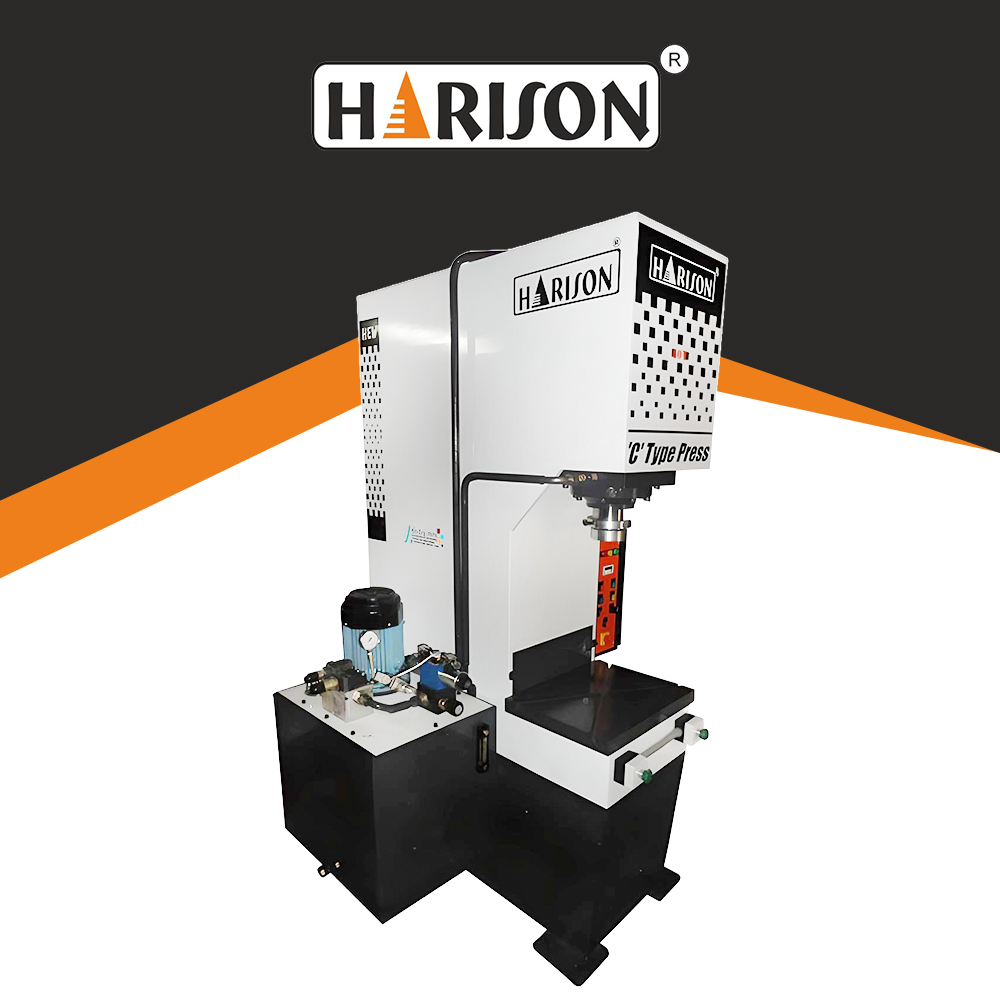
In most factories, machines don’t really fail all of a sudden. That’s not how it usually happens. Things go wrong slowly. A sound changes a little. A cycle feels slightly different. Output is not as consistent as it used to be. Most of the time, these signs are there, but they don’t feel serious enough to stop production and investigate. A hydraulic press is one of those machines where even small changes matter. It runs on pressure, and pressure has to stay steady. If it doesn’t, the difference shows up in production quality before anything else. The machine may still run, but the results start becoming uneven. And this is where most real problems begin, not with failure, but with small things being ignored for too long. So instead of talking in theory, let’s look at what actually happens in day-to-day industrial use and why these issues keep repeating.
Why Hydraulic Press Problems Develop Slowly in Factories
One of the most common things operators notice over time is that pressure does not feel consistent. Not a full breakdown, just a slight variation. One batch looks fine. Another batch feels slightly off. Nothing dramatic, but enough to create quality differences. Usually, this happens because:
-
Air slowly enters the system without being noticed
-
Hydraulic oil flow becomes uneven
-
Internal seals start losing tightness over time
What makes this tricky is that the machine still runs normally. There’s no alarm. No shutdown. Just a small variation in output. The fix is simple in theory, but often ignored in practice: regular checking, proper bleeding of air, and keeping oil in good condition. Nothing fancy, just consistency.
How Small Oil Leaks Affect Machine Performance
Oil leakage is one of those problems that almost every factory sees at some point. It rarely starts big. Usually, it begins with a small wet area or a drop near a joint. People see it, clean it, and move on because production is more important at that moment. But leakage always means something is off. Common reasons include:
-
Fittings are getting loose due to vibration
-
Seals are losing flexibility over time
-
Hoses are becoming weak after long use
The issue is not the leak itself at first; it’s the pressure loss that comes with it. Slowly, efficiency drops. The machine has to work harder to do the same job. And by the time it becomes visible in production, it has already been happening for a while.
Problems Caused by Overloading the Hydraulic Press
This is more common than most people admit. In real production environments, there is always pressure to finish work faster. So sometimes, operators push the machine a little beyond its ideal limit. It doesn’t fail immediately, so it feels safe. But internally, it’s not. Repeated overloading causes:
-
Extra strain on the frame
-
Faster wear inside cylinders
-
Reduced machine life overall
The damage is not instant. That’s the dangerous part. It builds slowly until one day, performance drops noticeably. The machine doesn’t complain. It just wears out early.
Reasons Behind the Slow Machine Response During Operation
A hydraulic press machine should feel smooth when it works. You press a control, and it responds without hesitation. When it starts feeling slow, even slightly, that’s a sign that something is not right. Common causes include:
-
Dirty hydraulic oil is restricting flow
-
Valves partially blocked
-
Pump losing efficiency over time
Most operators ignore this at first because the machine still completes the job. But a slow response is usually the early stage of a bigger issue building inside the system. Cleaning and timely oil changes usually fix this before it becomes serious.
Noise and Vibration Issues in Hydraulic Press Machines
Every machine has sound. That’s normal. But experienced operators can usually tell when something changes. A hydraulic press might start making a slightly different noise or show mild vibration that wasn’t there before. Possible reasons:
-
Loose fittings after long operation
-
Air trapped in hydraulic lines
-
Internal parts slightly misaligned
The problem here is familiarity. People get used to machine noise, so small changes don’t feel urgent. That’s how early warning signs get ignored. And later, those small signs turn into real breakdowns.
How Poor Maintenance Leads to Major Breakdowns
If you look closely, most hydraulic press problems don’t come from sudden failure. They come from delayed care. Not because people don’t know, but because the machine is still running. So maintenance gets pushed:
-
Oil checks are delayed
-
Filters stay unchanged longer than needed
-
Small leaks are ignored
-
Service schedules keep moving forward
Individually, none of this feels serious. But together, it slowly reduces performance and increases breakdown risk. Machines don’t fail suddenly; in most cases, they are usually neglected into failure.
Common Operator Mistakes During Daily Use
Even a perfectly maintained machine can behave poorly if it’s not used correctly. Some common mistakes include:
-
Applying full pressure too quickly instead of gradual loading
-
Not paying attention to pressure readings
-
Using the same settings for different materials
A hydraulic press reacts directly to how it is operated. Small handling mistakes can change output quality very quickly, even if everything else is fine. This is why training matters just as much as maintenance.
When Technical Support Becomes Important
There are situations where basic fixes are not enough. If you notice:
-
Pressure dropping again and again
-
Strange internal sounds that don’t go away
-
Unstable or unpredictable movement
At that point, it’s better not to experiment. Calling technical support is safer than trying random fixes. Because deeper issues are usually not visible from the outside.
Simple Practices To Keep a Hydraulic Press Reliable
Most press problems are actually preventable. Not with complex methods, just basic habits done consistently:
-
Keep hydraulic oil clean and replace it on time
-
Do regular inspections, even if nothing looks wrong
-
Avoid overloading the machine
-
Pay attention when performance changes slightly
Consistency matters more than anything else here.
Conclusion
Hydraulic press problems usually don’t start in a big way. They begin with small things like a tiny oil leak, a slight pressure change, or missed maintenance that people often don’t pay attention to because the machine is still running. But slowly, these small issues add up and start affecting production and causing delays. The simple truth is, regular care and basic checks can prevent most of these problems. With Hari Engineering Works, industries can keep their work smooth and avoid unnecessary breakdowns.
What's Your Reaction?