































Behind the Diagnosis: How Doctors Identify and Diagnose Mental Illness in Patients
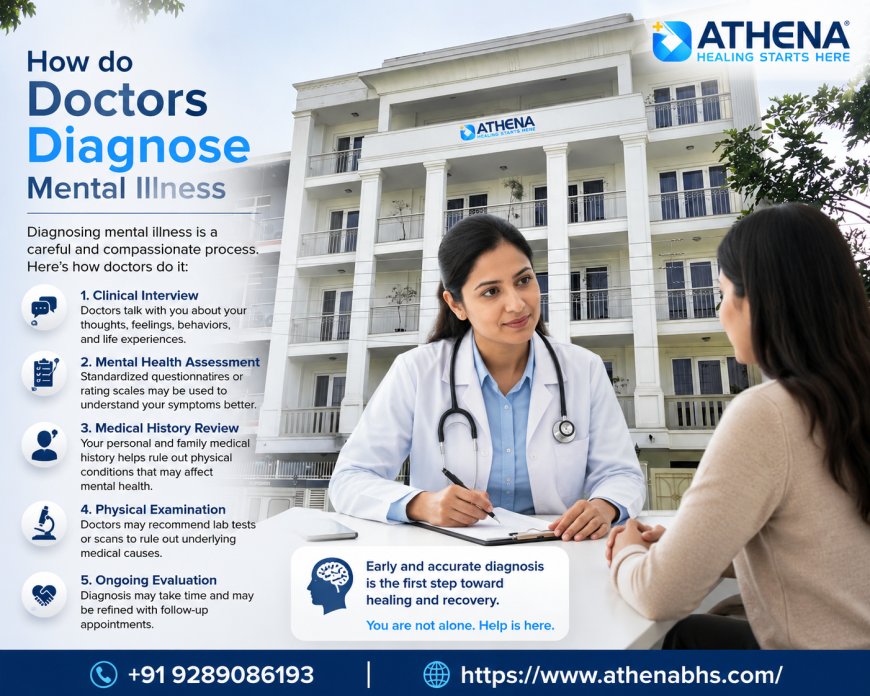
If you break an arm, an X-ray clearly shows the fracture. If you have an infection, a quick blood test points directly to the problem. But when it comes to our minds, there is no simple scan or lab test that says, "You have anxiety" or "This is depression."
Because of this, many people wonder: How do doctors actually know what's going on? Is a diagnosis just an educated guess?
At Athena Behavioral Health, a trusted psychiatric hospital in Gurgaon, we believe that understanding the diagnostic process takes away the fear of the unknown. Identifying a mental health condition is an intricate, highly scientific, yet deeply human process. Here is a look behind the scenes at how professionals find the answers.
1. The Power of Your Story (The Clinical Interview)
The diagnostic journey always starts with a conversation, but it is much more structured than a casual chat. A specialist at a mental health treatment center in Gurgaon will listen to your story while looking for specific patterns.
They will ask about:
- Timeline: When did these feelings start? Have they built up over months, or did a sudden life shift trigger them?
- Impact: How are these symptoms affecting your daily life? Are you struggling to sleep, maintain relationships, or focus at work?
- Family History: Because genetics play a massive role in mental health, understanding your family tree provides vital clues.
2. Ruling Out the Body (Differential Diagnosis)
The mind and body are constantly talking to each other. Sometimes, what looks like a mental illness is actually a physical health issue. Before giving a psychiatric diagnosis, a doctor providing quality mental health care in Gurgaon will often rule out physical culprits:
- Thyroid Issues: An underactive thyroid can perfectly mimic severe clinical depression.
- Vitamin Deficiencies: Low levels of Vitamin D or B12 can cause extreme fatigue, mood swings, and high anxiety.
By running basic medical checks, doctors ensure they are treating the root cause of the issue, not just a symptom.
3. Using the Clinical Roadmap (Standardized Criteria)
To keep diagnoses objective and accurate, psychiatrists use a global medical guidebook called the DSM-5 (Diagnostic and Statistical Manual of Mental Disorders).
Think of this as a clinical map. It lists criteria that must be met. For example, to be diagnosed with clinical depression, a person must experience a specific number of core symptoms (like persistent sadness or loss of interest) nearly every day for at least two weeks. This ensures your diagnosis is backed by global science, not just one person's opinion.
4. Observing What Goes Unsaid
Psychiatrists are trained to observe subtle behavioral cues that standard forms might miss. They notice changes in speech speed, focus, body language, and emotional reactions during your visit. These small details help paint a complete picture of your current state of well-being.
A Diagnosis is a Roadmap, Not a Label
The most important thing to remember is that a diagnosis isn't meant to define you or lock you in a box. It is simply a tool. It tells your clinical team exactly which therapies, lifestyle adjustments, or medications will give you the best path forward.
At Athena Behavioral Health, we combine clinical precision with deep empathy. Whether you need the comprehensive care of a psychiatric hospital in Gurgaon or the community support of an outpatient mental health treatment center in Gurgaon, our goal is the same: to give you clarity and a personalized plan to heal.
Take the First Step Toward Clarity
Living with an undiagnosed mental health struggle is exhausting. You don't have to guess your way through it alone.
If you or someone you love has been feeling "off" but can't put a finger on why, reach out to the experts in mental health care in Gurgaon. Finding the right words for what you are experiencing is the exact moment your recovery truly begins. Contact us today to schedule a conversation.
What's Your Reaction?