






























Polyetheramine Prices: Latest Market Trends, Supply Dynamics, and 2026 Forecast Outlook

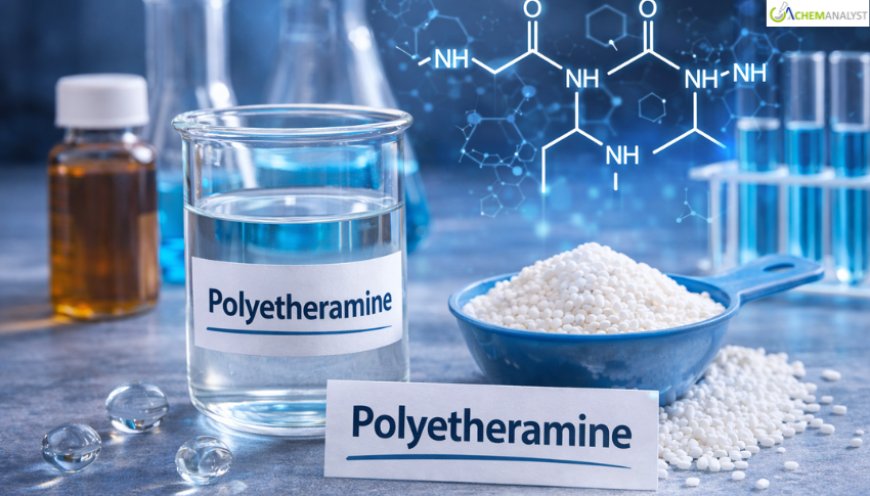
The global Polyetheramine Prices landscape has experienced notable fluctuations over the past few years as supply-demand patterns shift in key end-use industries such as coatings, adhesives, composites, automotive, and construction. Polyetheramines—amine-functionalized polyether compounds—are widely used as curing agents for epoxy resins, specialty adhesives and sealants, and advanced composite materials. Understanding Polyetheramine Price Trends is crucial for chemical manufacturers, formulators, buyers, and industry strategists navigating volatile feedstock costs, inventory cycles, and regional demand shifts.
As we approach 2026, the latest pricing data from ChemAnalyst reveals that markets have generally seen soft pricing pressure driven by oversupply, elevated inventory levels, and mixed demand across sectors.
What Is Polyetheramine?
Polyetheramines are functionalized polyether compounds containing primary amine groups, commonly used as curing agents and modifiers. They are produced through the amination of polyether glycols such as polypropylene glycol (PPG). Polyetheramines are integral in the production of:
-
Epoxy adhesives and sealants
-
High-performance coatings
-
Polyurea systems
-
Composite materials for automotive and wind energy applications
-
Specialty chemical intermediates and modifiers
Their ability to deliver high mechanical strength, enhanced thermal properties, and improved adhesion makes them valuable across advanced material applications, particularly where epoxy systems are used.
Latest Global Polyetheramine Price Trends (2025–2026)
According to the latest Polyetheramine pricing index data, markets around the world showed weaker pricing dynamics in late 2025. The broad pattern reflected inventory overhang, mixed industrial activity, and variable feedstock costs.
North America: Prices Remain Under Pressure
In North America, the Polyetheramine Price Index fell by approximately 5.15% quarter-over-quarter in Q4 2025. Regional pricing was influenced by multiple factors:
-
High volumes of imported product from Asia increased domestic inventories.
-
Weak downstream demand in construction and adhesives sectors constrained pricing momentum.
-
Logistical delays and seasonal slowdowns limited urgency for restocking.
-
Feedstock cost pressures from ethylene oxide and ammonia influenced production cost trends.
The average Polyetheramine price in the USA for Q4 2025 was around USD 1908.33 per metric ton, reflecting these combined pressures.
Despite some resilient automotive consumption, overall demand sentiment remained cautious, contributing to subdued pricing behavior.
Track Real Time Price Of Polyetheramine
https://www.chemanalyst.com/ChemAnalyst/PricingForm?Product=Polyetheramine
Asia-Pacific: Oversupply and Mixed Demand Keep Prices Soft
Asia-Pacific, particularly China, experienced a 5.42% decline in the Polyetheramine Price Index in Q4 2025, driven by supply-side and demand-side factors:
-
Mixed feedstock cost movements, with some upstream materials rising while others declined.
-
Subdued construction demand offset by resilient sales in automotive and renewable energy sectors.
-
Elevated regional inventories kept bargaining power with buyers strong.
-
Export orders fluctuated, tempering price gains.
Average Polyetheramine pricing in China for this period was around **USD 1773.33 per metric ton (FOB Shanghai).
Although feedstock costs (e.g., ammonia, propylene oxide) added upward cost pressure at times, balanced inventories and cautious procurement limited widespread price increases.
Europe: Stable to Slightly Soft Pricing
In Europe, the Polyetheramine Price Index also reflected modest softness through late 2025. Pricing dynamics were influenced by:
-
Cautious downstream buying as year-end budget cycles approached.
-
Balanced supply and steady industrial demand in sectors such as coatings and composites.
-
Stable production costs with limited seasonal demand spikes.
-
Year-end slowdown in procurement activity reducing upward pricing movement.
Producers and distributors maintained consistent manufacturing runs, which helped prevent sharp price swings, but lack of aggressive buying constrained pricing momentum.
Drivers of Polyetheramine Price Market Dynamics
The Polyetheramine Price Market is shaped by a combination of supply-side and demand-side drivers that influence pricing behavior globally.
Feedstock Cost Influences
Polyetheramine feedstocks such as ethylene oxide, propylene oxide, and amines (e.g., diethylenetriamine) are derived from petrochemical feedstocks. Changes in crude oil prices and feedstock market volatility directly impact production costs.
For example:
-
Rising ethylene oxide prices support higher production costs, but if downstream demand is weak, price hikes may not be passed on.
-
Declining ammonia prices can soften production costs, alleviating some pricing pressure.
These conflicting cost signals contribute to mixed pricing trends in various regions.
Inventory and Supply Chain Conditions
Inventory levels significantly influence price movements. Elevated port inventories and imports in North America and APAC limited pricing momentum in late 2025 by reducing urgency among buyers to replenish stocks.
Logistical factors, including port congestion and seasonal restocking cycles, also impact how quickly supply adjustments are reflected in pricing.
For instance:
-
Shipping delays can tighten local availability and support temporary price stabilization.
-
Improved freight conditions can boost imported supplies and reduce pricing pressure.
Industrial Demand Patterns
Polyetheramine demand is closely linked to industrial sectors such as:
-
Automotive: used in adhesives and composites for vehicle components
-
Construction: epoxy coatings and sealants used in infrastructure projects
-
Wind and renewable energy: composite materials for turbine blades
-
Coatings and adhesives: performance enhancements in paints and structural bonding
When these sectors exhibit strong growth, demand supports pricing. When demand weakens—as seen in some construction and adhesive segments in late 2025—pricing pressure increases.
Market Supply and Demand Insights
Understanding the broader supply and demand dynamics in the Polyetheramine Price Market helps explain pricing tendencies.
Supply Side Perspectives
-
Polyetheramine production remained consistent throughout 2025, with few major outages reported.
-
Inventory accumulation in key export hubs like China contributed to downward price movements.
-
Balanced production across European facilities helped prevent sudden supply shortages.
Overall, the supply side has demonstrated resilience, but oversupply conditions at certain times kept pricing soft.
Demand Side Perspectives
Demand has remained uneven across regions:
-
Automotive sectors showed resilience in several markets, supporting baseline consumption.
-
Construction activity weakened in some regions, particularly North America and parts of Europe.
-
Renewable energy projects provided niche demand growth.
-
Export demand was subdued at times, limiting pricing support.
Such mixed demand conditions resulted in price volatility without dramatic upward momentum in late 2025.
Key Strategic Considerations
For Producers
-
Monitor raw material price movements closely to align production cost forecasting.
-
Strengthen supply chain and inventory management to respond quickly to demand shifts.
-
Invest in R&D for specialty polyetheramines tailored to high-growth sectors.
For Buyers and Procurement Teams
-
Track regional price indexes for optimal purchasing timing.
-
Establish diversified sourcing strategies to mitigate supply risk.
-
Align procurement with downstream demand trends in key sectors like automotive and construction.
Conclusion
The global Polyetheramine Prices environment heading into 2026 reflects a period of balanced pricing with some downward pressure driven by oversupply and cautious downstream demand. Regional price patterns varied, with notable declines in North America and Asia-Pacific and moderate softness in Europe.
However, underlying demand drivers in key industrial sectors continue to support long-term market growth potential. As inventories normalize and demand cycles strengthen, pricing in the Polyetheramine Price Trends may stabilize and show gradual upward momentum through the coming years. Continued monitoring of feedstock costs, supply dynamics, and industrial demand will be essential for industry stakeholders seeking to navigate market shifts effectively.
What's Your Reaction?