























Cladding for Outside Walls: A Smart Way to Protect and Redefine Building Exteriors
Cladding for outside walls enhances building exteriors by adding durability, protection, and modern visual appeal while reducing long-term maintenance.

In today’s architectural landscape, building exteriors are no longer just about protection—they are about identity, durability, and long-term value. One solution that has gained widespread attention across residential, commercial, and institutional projects is cladding for outside walls. From modern homes to large commercial facades, cladding has become an essential part of exterior design.
More than a surface treatment, exterior cladding acts as a protective skin that shields structures from environmental stress while enhancing their visual appeal. When selected and installed thoughtfully, cladding transforms ordinary buildings into lasting architectural statements.
Understanding Cladding for Outside Walls
Cladding for outside walls refers to the process of applying an additional outer layer to a building’s exterior. This layer can be made from various materials such as stone, wood, metal, fiber cement, or high-pressure laminates. Its primary role is to protect the structure from weather conditions, but its impact goes far beyond that.
Unlike paint or plaster finishes, cladding creates a barrier that helps manage heat, moisture, and wear caused by external exposure. It also allows architects and designers to experiment with textures, colors, and forms without compromising structural integrity.
Why Cladding for Outside Walls Is Gaining Popularity
The increasing use of exterior cladding is not a design trend—it is a functional response to modern construction challenges. Buildings today must endure harsh climates, pollution, and changing temperatures, especially in urban environments.
Some key reasons why cladding for outside walls is widely adopted include:
-
Protection from rain, heat, dust, and UV exposure
-
Enhanced thermal and acoustic insulation
-
Improved durability and lifespan of exterior walls
-
Reduced maintenance compared to traditional finishes
-
A modern, refined appearance
At Esthetic India, exterior cladding is approached as a long-term solution rather than a short-term aesthetic upgrade.
Different Types of Cladding for Outside Walls
Each cladding material has unique characteristics, making it suitable for different architectural needs and climates.
Stone Cladding
Stone cladding offers a natural and timeless look. It is highly durable and resistant to extreme weather conditions, making it ideal for premium residences, boundary walls, and commercial buildings.
Wooden Cladding
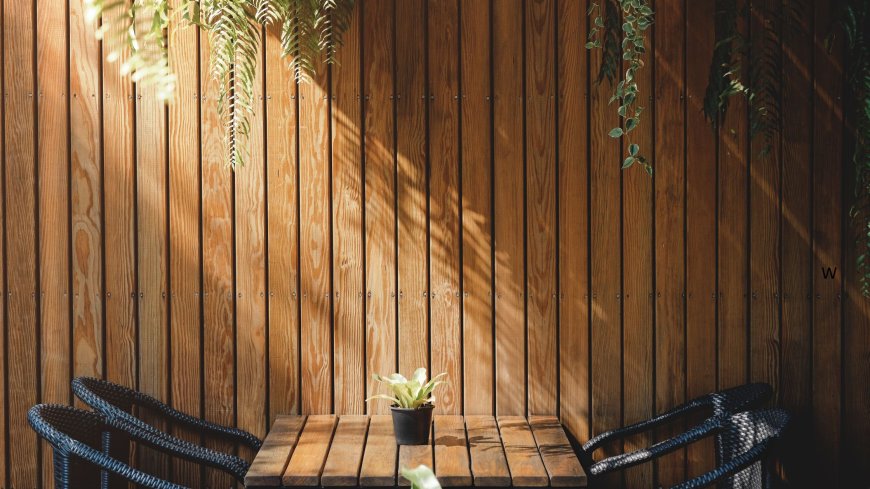
Wooden cladding creates warmth and elegance and is often used in villas, resorts, and modern residential projects. With proper treatment and installation, it can perform well outdoors while maintaining its visual charm.
Metal Cladding
Metal cladding is valued for its strength, clean lines, and contemporary appeal. It is commonly used in offices, industrial buildings, and modern architectural designs where durability is a priority.
Fiber Cement Cladding
This cladding option is lightweight, fire-resistant, and low-maintenance. It offers flexibility in design and is often chosen for both residential and commercial applications.
HPL Cladding
High-pressure laminate cladding is known for its color stability, weather resistance, and modern finish. It allows designers to achieve bold and sleek exterior looks.
Esthetic India works with a range of cladding materials, helping clients choose solutions that match both aesthetic goals and environmental conditions.
Design Impact of Cladding on Building Exteriors
Cladding for outside walls has a strong influence on how a building is perceived. The exterior often forms the first impression, whether it is a home, office, or commercial space.
With the right cladding design, a building can appear more balanced, modern, and visually engaging. Cladding adds depth, texture, and rhythm to facades, making structures stand out without appearing excessive.
Architectural details such as projections, panels, and layered finishes become more prominent when cladding is used strategically. This makes it possible to elevate even simple structural forms into striking designs.
Energy Efficiency and Environmental Benefits
One of the most practical advantages of cladding for outside walls is its contribution to energy efficiency. By reducing heat transfer and protecting walls from direct exposure, cladding helps maintain stable indoor temperatures.
This results in lower reliance on air conditioning and heating systems, leading to energy savings over time. Many modern cladding materials are also designed to be sustainable, recyclable, or low-impact, supporting eco-conscious construction practices.
Maintenance and Long-Term Performance
Traditional exterior finishes often require frequent repainting or repairs. In contrast, cladding for outside walls offers long-term performance with minimal maintenance.
Most cladding materials resist fading, cracking, and moisture damage. Periodic cleaning is usually sufficient to maintain their appearance. When installed correctly, cladding systems can last for decades without compromising structural safety or aesthetics.
Esthetic India emphasizes proper material selection and detailing to ensure that cladding performs effectively throughout its lifespan.
Cladding for Residential and Commercial Projects
Cladding solutions are versatile and adaptable. In residential projects, they enhance curb appeal and add character to homes. In commercial spaces, cladding contributes to branding, professionalism, and visual consistency.
Retail outlets, corporate offices, hospitality projects, and institutional buildings all benefit from the protective and aesthetic qualities of exterior cladding. The ability to customize finishes makes cladding suitable for both subtle and bold architectural expressions.
Choosing the Right Approach for Cladding for Outside Walls
Successful cladding installation depends on thoughtful planning. Factors such as climate, building orientation, structural compatibility, and maintenance expectations must be considered before selecting a material.
Working with experienced professionals ensures that the cladding system functions as intended. Esthetic India focuses on design integrity, technical accuracy, and long-term value while delivering exterior cladding solutions.
Conclusion
Cladding for outside walls is more than an architectural feature—it is a practical investment in durability, efficiency, and design quality. By protecting structures from environmental stress and enhancing their appearance, cladding adds measurable value to buildings.
As modern construction continues to evolve, exterior cladding remains a reliable and adaptable solution for creating strong, beautiful, and long-lasting structures. With thoughtful design and expert execution, cladding can redefine how buildings look and perform for years to come.
What's Your Reaction?