



























Alleviating Facial Tension Through Precise Structural Adjustment
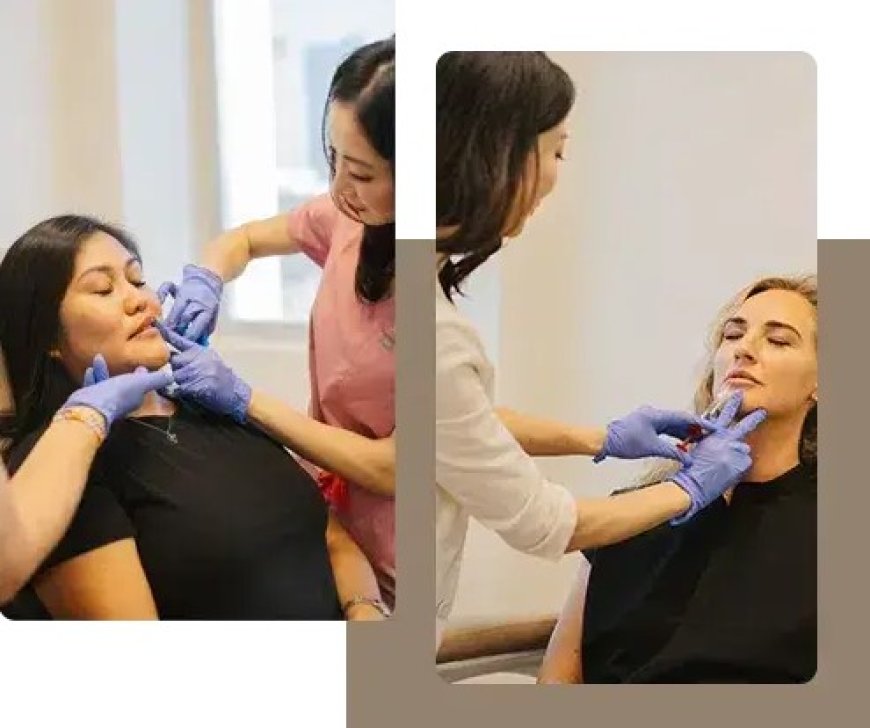
The physical mechanics of human vision involve a complex interaction of highly sensitive muscle groups surrounding the orbital bone. When an individual possesses excess tissue or a lack of a structural fold on the upper eyelid, the mechanical effort required to simply open the eyes increases significantly. Over the course of a long day, this constant requirement for extra lifting force places an immense burden on the secondary support muscles of the face.
The frontalis muscle, which stretches across the forehead, is frequently recruited to help lift heavy upper lids. This compensation mechanism is largely involuntary; the brain simply commands the forehead to pull upward so the eyes can see clearly. Consequently, individuals with a heavier monolid structure often spend their entire waking hours with their forehead muscles locked in a state of high tension.
This continuous muscular contraction has highly predictable physical consequences that extend far beyond simple aesthetics. By the mid-afternoon, patients routinely experience a profound sense of heaviness around the eyes and a noticeable drop in physical energy. The constant strain frequently translates into dull, persistent tension headaches that radiate from the brow line up to the top of the skull.
Furthermore, the continuous raising of the eyebrows accelerates the formation of deep, horizontal wrinkles across the forehead. These permanent lines often appear much earlier in life compared to individuals with a defined upper crease. Attempting to relax the forehead intentionally only causes the heavy lids to drop, immediately obscuring the field of vision and requiring the patient to resume the stressful lifting action.
Addressing this functional burden requires a highly specific alteration to the underlying architecture of the eye area. By creating a secure, natural-looking fold, a surgeon can permanently reduce the physical weight pressing down on the eyelashes. This structural modification allows the small levator muscle of the eye to function independently, without needing constant assistance from the surrounding facial muscles.
During a clinical assessment for this procedure, the medical team carefully evaluates the degree of muscular compensation present. They ask the patient to close their eyes and then open them while holding the brow bone perfectly still. This simple test immediately reveals how much excess tissue is blocking the visual field and exactly how much tension the forehead has been carrying to compensate.
The surgical strategy focuses on removing the specific physical barrier that is causing the mechanical exhaustion. For patients with thicker tissue, an incisional method removes the small amount of fat and skin that pushes the lid downward. This technique creates a clean, permanent fold that completely eliminates the need for the forehead to overwork. The patient can finally open their eyes naturally and effortlessly.
Professionals offering highly specialised asian eyelid surgery Honolulu understand that the benefits of this procedure are equally functional and cosmetic. The relief experienced by the patient is both immediate and physically measurable in the days following the correction. The chronic headaches frequently disappear entirely, and the heavy, tired sensation that usually arrives at the end of the workday is completely resolved.
The recovery phase provides a necessary period of rest for the overworked forehead muscles to finally relax. As the temporary swelling from the procedure subsides, patients notice a profound feeling of lightness in the upper half of their face. They no longer feel the constant need to strain their features just to stay alert and engaged with their surroundings.
Long-term outcomes show a significant improvement in overall daily comfort and energy levels. Patients find that reading, working on computers, and driving become much easier activities because the visual field is clear and unobstructed. The secondary benefit of the forehead smoothing out naturally is simply a welcome addition to the profound physical relief they experience.
Understanding the direct connection between facial anatomy and muscular fatigue changes the conversation around this specific medical intervention. It is not simply a matter of altering a resting expression; it is a highly logical solution to a chronic physical strain. Correcting the structural mechanics of the eyelid provides a permanent release from years of unnecessary tension.
Conclusion
A heavy upper eyelid structure frequently forces the forehead muscles to overwork, leading to chronic fatigue, tension headaches, and early wrinkling. Surgically establishing a natural crease removes this mechanical burden, allowing the eyes to open effortlessly. This precise physical adjustment provides profound daily relief and significantly improves the patient's overall comfort and energy levels.
Call to Action
Book a functional assessment with our clinical team to determine if your heavy eyelids are contributing to daily facial fatigue. We are ready to design a surgical plan that relieves your muscular tension and brightens your field of vision.
What's Your Reaction?