






























A Practical Guide to Aquarium Water Quality and Red Shrimp Care
Improve aquarium water quality with a UV light aquarium system. Discover expert care tips for red shrimp, proper filtration, safe installation, and healthy tanks.

How UV Lighting Supports Aquarium Water Quality
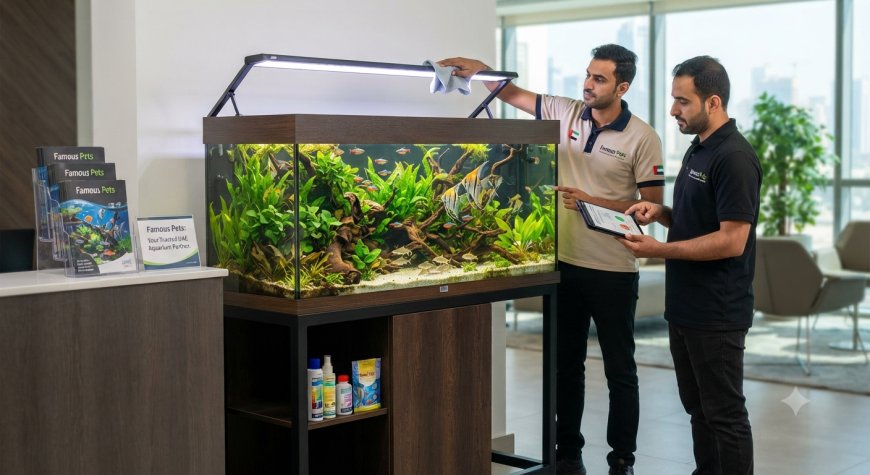
Maintaining a healthy aquarium involves more than choosing the right tank and filter. Water quality, lighting, temperature, and regular maintenance all affect the environment inside it. A UV light aquarium system can also play a useful role in managing certain unwanted microorganisms and suspended algae in the water.
Ultraviolet sterilisation works by exposing passing water to UV-C light inside a specially designed unit. This exposure can affect microorganisms as they move through the device. It may help control free-floating algae and some bacteria or other microorganisms. However, it does not replace regular water changes, biological filtration, or proper tank cleaning.
The way an aquarium owner uses UV equipment matters. The unit needs to match the tank's water volume and flow rate. Water that moves too quickly through the chamber may not receive enough exposure. Owners should follow the manufacturer's instructions when selecting and operating the equipment.
UV systems also need correct installation. The light source should remain enclosed within its housing. Direct exposure to UV-C radiation can harm people and animals. Owners should never operate a damaged or open unit. They should also switch off the equipment before carrying out maintenance.
Creating Suitable Conditions for Red Shrimp
Small freshwater shrimp can add colour and movement to a planted aquarium. Red shrimp, including popular cherry shrimp varieties, attract hobbyists because of their bright appearance and interesting behaviour. Despite their size, they need stable water conditions and a suitable habitat.
A well-planned shrimp tank should provide hiding places, gentle water movement, and surfaces where biofilm can develop. Moss, aquatic plants, driftwood, and suitable decorations can make the environment more comfortable. These surfaces also give shrimp places to graze and explore.
Water stability matters more than frequent changes in conditions. Sudden shifts in temperature, pH, or mineral content can place stress on shrimp. Owners should test the water regularly and make gradual adjustments when necessary. Ammonia and nitrite should remain at zero in an established aquarium. Nitrate levels also need monitoring.
Filtration requires special attention. Strong intake suction can pull small shrimp into a filter. A suitable intake sponge or protective cover can reduce this risk. The filter should provide enough biological filtration without creating excessive water movement.
Lighting also affects planted shrimp tanks. Plants need suitable light to grow, while excessive brightness can encourage algae. A consistent lighting schedule helps owners maintain better control. The best setup depends on plant types, tank depth, and the aquarium's overall condition.
Planning Aquarium Installation in Homes and Commercial Buildings
Aquarium placement deserves attention before anyone fills the tank. Water adds considerable weight. One litre weighs approximately one kilogram, and the glass, substrate, rocks, and equipment increase the total load. A large aquarium can therefore place significant pressure on the floor and its supporting structure.
This matters in homes, offices, hotels, and reception areas. Building maintenance teams should consider the tank's filled weight, floor capacity, nearby electrical points, and access for routine servicing. A level surface also helps distribute the load evenly across the aquarium base.
Some larger installations may need a purpose-built metal support frame. Steel structure fabrication and erection specialists can help assess frame dimensions, material strength, load distribution, and moisture exposure. The support design should suit the aquarium rather than rely on ordinary furniture or an improvised stand.
Moisture protection is another practical concern. Water splashes and humid conditions can affect metal finishes and nearby building materials. Suitable corrosion protection, careful cable placement, and accessible electrical connections help reduce avoidable problems.
A UV light aquarium unit should also have enough clearance for inspection and servicing. Owners need to reach the equipment without disturbing the entire setup. Maintenance teams can include the support frame, electrical connections, visible pipework, and signs of leakage in their regular checks.
Maintaining a Stable Aquarium Over Time
Daily observation can reveal early signs of trouble in an aquarium. Check the temperature, look for uneaten food, and watch how fish and shrimp behave. Filter inspections and regular water tests help complete the maintenance routine. Regular observation often helps identify problems before they become serious.
Red shrimp may become less active or show unusual behaviour when water conditions change. A sudden loss of colour, reduced movement, or unexpected deaths can indicate stress. Owners should test the water before making major changes. Adding several treatments at once can make it harder to identify the cause of a problem.
UV equipment also needs periodic inspection. The protective housing should remain intact, and the unit should operate according to its instructions. UV lamps lose effectiveness over time, even when they still appear to produce light. Owners should follow the recommended replacement schedule rather than judging performance by appearance alone.
Famous Pets is a UAE-based name that aquarium enthusiasts can consider when exploring pet and aquarium-related supplies. Whatever equipment they choose, buyers should compare its specifications with their tank size, livestock, and maintenance needs.
Good aquarium care depends on how well each part of the setup works together. Filtration, lighting, water quality, and safe installation all influence the conditions inside the tank. Consistent attention to these details helps protect its aquatic inhabitants. With regular care, hobbyists can maintain attractive planted tanks while giving red shrimp and other aquatic inhabitants conditions in which they can thrive.
What's Your Reaction?