

































Solar PTO Guide: How USA Installers Get Utility Approval Faster
Discover how PTOEdge solar plan sets help U.S. installers speed up permits, meet AHJ requirements, and achieve smoother PTO approvals with accurate project documentation.
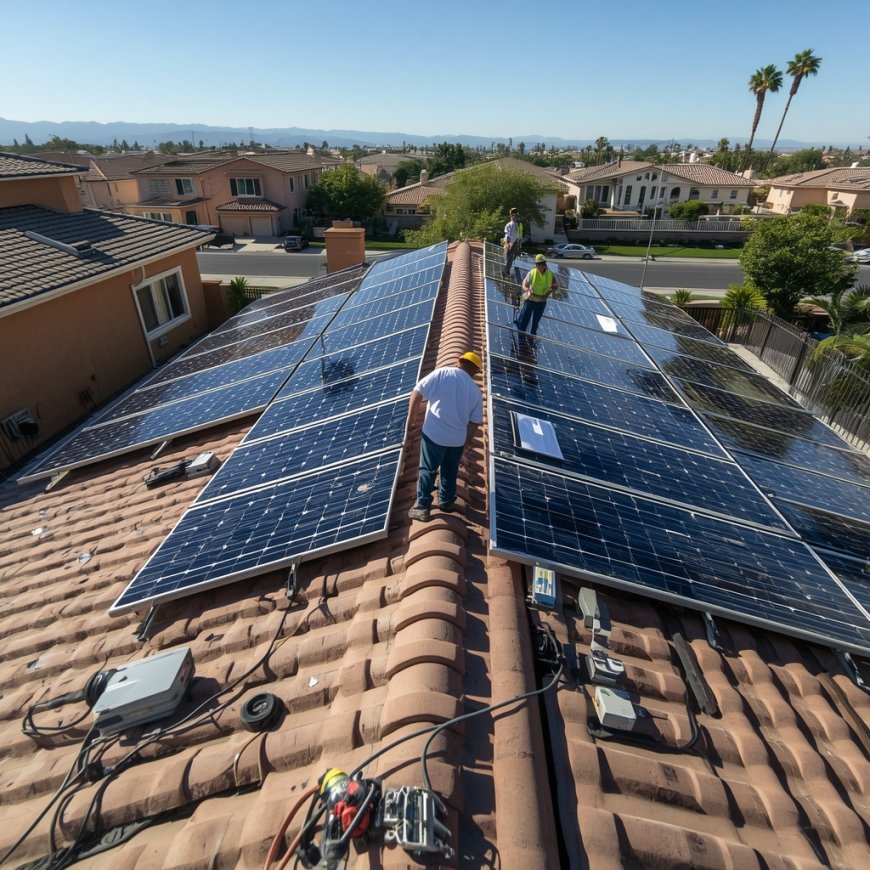
Every solar installer in America knows this frustration. The panels sit on the roof, the inspector signs off, and the system still cannot turn on. However, the final gate belongs to the utility, and that gate is solar PTO. Without it, the customer owns a system that produces nothing. Meanwhile, your crew waits for payment and your phone fills with status calls.
This guide explains how solar PTO works across the United States. Moreover, it shows you how to prepare clean paperwork, avoid common rejections, and shorten the wait. PTOEdge created this resource for installers, EPCs, and sales teams who want predictable approvals. Additionally, you will find links to deeper guides on every step, from complete solar engineering services to final utility submission.
Need help right now? Get your free consultation today and let our team review your project before you submit.
Why Final Utility Approval Controls Your Cash Flow
Many installers treat the inspection as the finish line. In reality, the finish line comes later. The utility must confirm that your system meets its interconnection rules before the customer can switch it on. That approval arrives as solar PTO, and it triggers the final payment on most finance agreements.
Therefore, every week of delay ties up your working capital. Lenders often release the last milestone only after the utility grants permission. As a result, a slow approval hurts your margins as much as a slow install. Likewise, homeowners feel the pain. They see a finished system and a dark monitoring app. Consequently, they call your office, and your project managers spend hours on updates.
Fast solar PTO approvals protect both revenue and reputation. If you want a dedicated partner for this stage, explore permission to operate support and hand off the paperwork.
Cash flow is only one side of the story. Utilities also use solar PTO to confirm that each system meets grid safety rules. That check protects line workers, neighbors, and the installer's license. Furthermore, a clean record with a utility earns your company faster reviews over time. Reviewers remember which contractors submit accurate files, and they notice repeat errors too.
How Interconnection Works Across American Utilities
The United States has thousands of utilities. Investor-owned companies, municipal systems, and rural cooperatives all write their own rules. Therefore, no single checklist fits every project. Still, the basic path looks similar everywhere.
First, you submit an interconnection application, often before construction starts. Next, the utility reviews your design for grid impact. After that, the local authority having jurisdiction (AHJ) inspects the finished system. Finally, the utility issues solar PTO and may swap or reprogram the meter.
Also, some utilities add a witness test for larger systems. Others require a signed interconnection agreement before they review anything. Additionally, state policy shapes net metering and export limits. For example, a project in Texas follows different steps than a project in New York.
Because of this variety, a tailored permission to operate package saves time. It matches your documents to the exact utility instead of a generic template.
Documents Utilities Expect Before Granting Approval
In fact, utilities reject incomplete solar PTO files every day. A missing signature or a mismatched equipment model can restart the review clock. Therefore, gather every document before you request solar PTO.
Most utilities ask for the following items:
- A signed interconnection application and customer agreement
- A single-line electrical diagram
- Equipment data sheets for modules, inverters, and batteries
- The final inspection card from the AHJ
- Photos of labels, disconnects, and the production meter location
In addition, some utilities want site plans, structural letters, or battery commissioning reports. Check the utility's current checklist every time because rules change often.
Our team explains each requirement in detail in this guide to utility PTO approval requirements. Read it before you build your next file. Likewise, keep a master folder for each project so nothing goes missing.
Design Accuracy Starts With a Strong Plan Set
Utilities compare your application against your drawings. If the numbers disagree, the reviewer stops and sends a correction request. Thus, accurate drawings protect your solar PTO timeline long before submission day.
A strong plan set shows the array layout, string sizing, conductor and conduit specifications, overcurrent protection, and grounding details. It also includes the placards and labels the AHJ expects. Moreover, it must follow the National Electrical Code (NEC) edition your jurisdiction has adopted.
Many delays begin with small drawing errors. For instance, an inverter model on the application may differ from the model on the diagram. In fact, reviewers catch these mismatches quickly. Consequently, they reject the file.
You can avoid that outcome with NEC-compliant solar plan sets built to AHJ standards. Clean drawings also speed up the field inspection, which feeds directly into your solar PTO request.
Why Engineering Review Protects Your Submission
Some projects need more than a drafted diagram. Structural loads, fire setbacks, and larger commercial systems often require a licensed engineer's signature. A reviewer who sees a stamped set trusts the design faster.
Engineering review also catches risks early. For example, an engineer can flag a busbar rating problem under the NEC's interconnection rules. Similarly, an engineer can confirm that roof framing supports the added load. As a result, you fix issues on paper instead of on the roof.
Meanwhile, utilities increasingly check that documents match what installers built. Stamped drawings give them confidence that safety rules were followed.
Licensed professionals carry real accountability. That accountability supports trust with every authority involved. If your state requires it, order a licensed PE stamp review before you file permits. Furthermore, read our solar engineering services overview to learn when each project type needs one.
Permitting and Inspection Steps That Come First
You cannot reach the utility step without a passed inspection. Therefore, permitting sets the pace for solar PTO and everything that follows. Each city and county publishes its own forms, fees, and review times.
First, submit the permit application with your plan set and equipment sheets. Next, answer reviewer comments quickly. Then schedule the final inspection after installation. The inspector verifies labels, grounding, wire management, and disconnect locations. Afterward, the AHJ signs the permit card, and you can forward that card to the utility.
Delays here ripple forward. A permit stuck in review pushes back construction, inspection, and interconnection. In fact, many installers lose weeks at this stage alone.
Specialized solar permitting package preparation reduces back-and-forth with reviewers. In addition, our guide with solar permit expediting tips shows how to move applications faster without cutting corners.
Rapid Shutdown and Code Compliance Checks
Safety rules shape both design and inspection. The NEC requires rapid shutdown for rooftop systems so firefighters can de-energize conductors quickly. Moreover, inspectors check for correct labels and compliant equipment.
Rapid shutdown rules changed across code editions. Therefore, confirm which edition your AHJ enforces. A design that passed last year may fail today. Likewise, module-level devices must match the inverter's approved list.
Utilities also expect compliant disconnects and clear labeling. If the field installation differs from the drawings, the inspector notes it. As a result, the utility may hold your approval until you correct the problem.
Review the details in our guide to rapid shutdown NEC requirements before you finalize any design. Additionally, train your crews on label placement. Small field habits prevent expensive revisits and keep your solar PTO timeline intact.
Common Reasons Utilities Reject Applications
Solar PTO rejections follow predictable patterns. Once you know them, you can prevent most of them. Here are the problems we see again and again:
- Equipment on the application does not match the diagram
- The inspection card is missing or unsigned
- The system size exceeds the utility's allowed limit for the service
- The customer's name or address differs from the utility account
- Battery or backup details are incomplete
Also, each error costs days. Sometimes it costs weeks, because many utilities send a correction notice and then place your file back in the queue. Consequently, one typo can double your solar PTO wait.
Build a pre-submission checklist and assign one person to own it. Furthermore, use error-free utility submissions as your standard, not your goal. Quality control before filing always costs less than quality control after rejection.
Prevention beats correction every time. Solar PTO rejections drain profit, so invest in quality control early.
Typical Timelines Across U.S. Utilities
Solar PTO times vary widely. Some utilities respond within days. Others take several weeks, especially during peak season. Larger commercial systems usually take longer than residential rooftops.
Several factors affect solar PTO speed. First, utility workload matters most. Application completeness comes second. Moreover, the need for a witness test or meter exchange can add steps. Weather and inspector availability also play a role.
You cannot control the utility's queue. However, you can control the quality of your file. Clean solar PTO submissions move through the review faster, because the reviewer has no reason to pause.
Plan your schedule with realistic buffers. Tell customers that approval follows inspection and that the system must stay off until the utility says otherwise. In addition, track every submission date so you can follow up on a stalled file. A trusted PTO application management service handles those follow-ups for you.
Track every file closely. Solar PTO stalls often trace back to a missed email or a lapsed reply window. Therefore, check your submission portal daily. Moreover, answer utility questions within hours, not days. Quick replies keep your file moving and show professionalism. Also, save every confirmation number in your project record. If a delay stretches past the utility's published window, escalate politely and cite the application number.
The U.S. Department of Energy also publishes helpful background on federal solar resources for installers and homeowners.
Residential Versus Commercial Approval Paths
Residential and commercial projects follow different tracks. Residential systems usually move through a simplified review. In contrast, commercial systems often need deeper engineering study. Therefore, set your expectations by project size.
A homeowner project may need only a standard application, a single-line diagram, and an inspection card. However, a commercial rooftop may need protection details, load data, and a longer utility study. As a result, solar PTO for commercial work can take considerably longer. Additionally, utilities may require a witness test before they approve the system. Schedule that visit early, because utility crews book up quickly.
Likewise, talk with the building owner about possible short outages during testing. Commercial customers depend on project milestones, so accurate timelines matter even more. For larger files, rely on commercial interconnection approval support to manage the utility relationship. Meanwhile, keep your residential workflow lean and repeatable. Both tracks end the same way, because the utility must grant solar PTO before the system runs.
Battery Storage and Special System Types
Battery systems add review steps. Many utilities ask for storage specifications, backup panel diagrams, and charging rules before they approve a project. Moreover, some utilities limit grid exports from storage. Therefore, confirm your battery setup before you design the system.
Hybrid inverters also need careful documentation. The reviewer must see exactly how the equipment connects and which loads it backs up. Meanwhile, ground-mount and commercial projects face their own requirements. Larger systems may need relay settings, protection studies, or a witness test. As a result, the solar PTO process for these projects takes more planning.
Build extra time into your schedule, and gather the manufacturer's documents early. Similarly, confirm whether your state requires smart-inverter settings that follow IEEE 1547 and UL 1741 standards. A short call with the utility often clears questions before you file. Complex files benefit from a fast PTO approval service that knows these details. Specialists catch missing battery data before the reviewer does, and that saves your team a full correction cycle.
How Proposals and Workflow Tools Reduce Delays
Solar PTO problems often start in the sales stage. A rushed proposal can promise a system size or equipment set that the utility will not accept. Later, the design team must rework everything.
Accurate proposals prevent that waste. They use real site data, correct production estimates, and realistic equipment choices. Therefore, the engineering and permitting teams start with a design that already fits utility limits. With data-backed solar sales proposals, your sales team can close deals and hand off clean information at once.
Workflow tools help as well. When design and permitting live in one place, nobody retypes data or loses a file. Consequently, fewer mismatches reach the utility. A single design and permitting workflow keeps every document tied to the same project record.
Teams that connect sales, design, and submission see fewer corrections. They also build trust with utilities, because reviewers learn to expect clean files.
What Customers Should Expect After Installation
Homeowners and business owners rarely understand utility rules. Therefore, set expectations at contract signing. Explain that the system stays off until the utility grants solar PTO. Give a realistic window instead of a fixed date, because utility queues change.
Overall, clear communication prevents angry calls. Send a short update after the inspection passes. Send another when you submit to the utility. Likewise, tell the customer who will contact them if the utility has questions. Customers who understand the process stay calm and recommend your company.
Good expectations start with the proposal itself. Include a plain timeline, a list of steps, and a note about the utility's role. Professional solar proposal services help you present that information in a polished, trustworthy format. In addition, a well-written proposal reduces cancellations during the wait.
Building a Repeatable Submission Process
Strong installers do not rely on luck. They document a process and follow it on every job. First, assign one coordinator to each project from sale to energization. Next, keep every file in a shared folder with a clear naming system. Then, create a checklist that mirrors each utility's requirements. Additionally, review that checklist every quarter because utilities update their forms.
Training matters too. Field crews should know which photos the utility wants, such as labels, disconnects, and the meter location. Office staff should know how to read a correction notice and answer it the same day.
Moreover, track your metrics. Measure how many days pass between inspection and solar PTO for each utility. Over time, those numbers show where your bottlenecks live. If one utility runs slower, adjust your customer promises. If errors repeat, fix the step that causes them. Consequently, your approvals become more predictable every quarter.
When internal capacity runs short, final utility approval support can fill the gap. Pair it with AHJ-ready plan set documentation so every file leaves your office complete.
Why Installers Choose PTOEdge
Installers want a partner who understands the full path from proposal to energization. PTOEdge supports that path with proposals, drawings, engineering review, permit packages, and final solar PTO submissions. Every service connects, so your project data stays consistent.
Experience matters here. Our team follows current NEC requirements and tracks utility rule changes across the country. We build every file for the specific AHJ and utility involved. Additionally, we communicate clearly, so your project managers always know the status.
Trust also comes from transparency. We explain what each reviewer needs and why. Therefore, your team learns the process while we handle the heavy lifting. If you prefer to learn first, browse the solar installer resource library for guides on every stage.
For a deeper walkthrough, read our complete USA PTO guide. Then, when you want hands-on help, work with a dedicated permission to operate team that treats your file like its own.
Experience and accountability shape every file we prepare. Our team works with licensed engineers, experienced designers, and permit specialists who follow current code. Furthermore, we explain our reasoning, so your staff understands why a utility asked for each item. Reach out to permission to operate experts whenever a utility sends a confusing correction notice. We do not promise instant approvals, because utilities set their own timelines. Instead, we promise careful, accurate files that give every reviewer fewer reasons to say no. That honest approach builds long-term partnerships with installers across the country.
Final Thoughts on Getting Approved Faster
Winning the sale and finishing the install only matter if the system turns on. Therefore, treat final utility approval as a core part of your workflow, not an afterthought. Start with accurate proposals. Then build compliant drawings, add engineering review where needed, and pass inspection cleanly.
Finally, submit a complete file that matches the utility's checklist. Teams that follow this process shorten their solar PTO waits and protect cash flow. They also earn happier customers and stronger referrals.
Solar PTO rewards preparation. Every step before submission either helps your file or hurts it. Use a streamlined PTO submission process and you will feel the difference on your next project.
Ready to stop waiting on approvals? Request a project review today and let our team move your files forward.
Frequently Asked Questions
What does permission to operate mean?
Permission to operate is the utility's written approval to turn on a grid-connected solar system. You must wait for it, even after the AHJ passes your inspection. Operating early can violate your interconnection agreement.
How long does utility approval usually take?
Solar PTO timing depends on the utility, the system size, and file quality. Some approvals arrive within days, while others take weeks. Complete documents and prompt responses to utility questions shorten the wait.
Do I need a PE stamp for every project?
No. Requirements depend on the state, the AHJ, and the project type. Larger or structurally complex systems often need a licensed engineer's stamp. Check local rules before you submit.
Why do utilities reject interconnection applications?
Most solar PTO rejections come from mismatched equipment details, missing signatures, or absent inspection cards. Size limits and incorrect account information also cause problems. A pre-submission checklist prevents most of them.
Can one provider handle permits and utility submissions?
Yes. A single provider can prepare plan sets, permit packages, and utility files together. This approach keeps data consistent and reduces errors between stages.
What's Your Reaction?