




























Private Limited Company vs LLP: Which Business Structure Should You Choose?

Starting a business involves more than choosing a name and launching a website. One of the earliest and most important decisions is selecting the right legal structure. For many entrepreneurs in India, the choice often comes down to a Private Limited Company (Pvt Ltd) or a Limited Liability Partnership (LLP).
Both structures provide limited liability protection and offer a separate legal identity, but they differ in ownership, compliance, taxation, fundraising, and management. Understanding these differences can help you choose a structure that fits your business plans rather than simply following what other businesses are doing.
What is a Private Limited Company?
A Private Limited Company is a separate legal entity incorporated under the Companies Act, 2013. It can have shareholders who own the company and directors who are responsible for managing its affairs.
A Pvt Ltd company is commonly preferred by startups and businesses planning to expand, bring in investors, or build a structured corporate organisation.
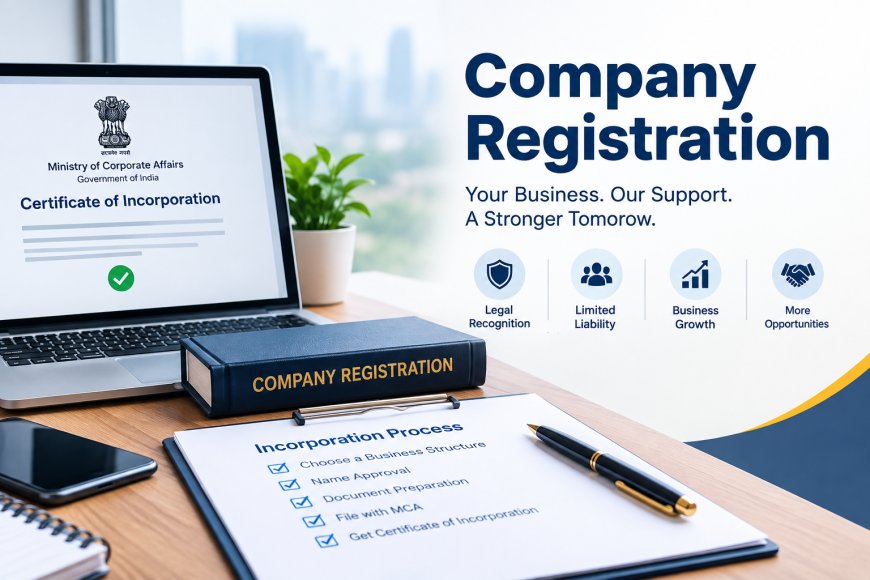
The Private Limited Company Registration process involves steps such as obtaining the required digital signatures, preparing incorporation documents, selecting a company name, filing the incorporation application, and receiving the Certificate of Incorporation after approval.
What is an LLP?
A Limited Liability Partnership combines features of a traditional partnership with limited liability protection. An LLP is governed primarily by the Limited Liability Partnership Act, 2008.
In an LLP, partners generally have greater flexibility in determining how the business is managed and how responsibilities are divided. This structure can be suitable for professional firms, closely held businesses, and entrepreneurs who want operational flexibility without the full corporate framework of a private limited company.
Private Limited Company vs LLP: Key Differences
| Factor | Private Limited Company | LLP |
|---|---|---|
| Legal identity | Separate legal entity | Separate legal entity |
| Ownership | Shareholders | Partners |
| Management | Directors | Designated partners/partners |
| Ownership transfer | Generally structured through shares | Governed by LLP agreement |
| Fundraising | Better suited to equity investment | More limited for equity-style funding |
| Compliance | Generally higher | Generally lower |
| Operational flexibility | More structured | More flexible |
| Suitable for | Startups, growing companies, investor-backed businesses | Professional firms and closely held businesses |
1. Ownership and Management
The ownership structure is one of the biggest differences.
A private limited company is owned by its shareholders, while its day-to-day affairs are managed by its directors. This separation can be useful when a business has multiple investors or plans to create a formal management structure.
An LLP is owned and managed by its partners according to the LLP agreement. This can give partners greater flexibility when deciding responsibilities, profit sharing, and operational control.
2. Compliance Requirements
A Private Limited Company generally has more ongoing statutory and reporting requirements. Depending on the company and its activities, these may include maintaining statutory records, conducting required meetings, filing annual returns, and preparing financial statements.
LLPs generally have a comparatively flexible compliance framework. However, an LLP is still required to meet applicable filing, accounting, taxation, and regulatory obligations.
Therefore, lower compliance does not mean no compliance.
3. Fundraising and Future Expansion
If you expect your business to raise external investment, the company structure can offer a more familiar framework for equity-based fundraising.
Shares can represent ownership in a private limited company, making the structure easier to adapt when bringing in new investors, subject to applicable laws and agreements.
An LLP does not have the same conventional shareholding structure. As a result, businesses planning venture capital or similar equity investment often consider a private limited company during the initial structuring stage.
4. Flexibility in Running the Business
An LLP can provide considerable flexibility because partners can establish operational arrangements through the LLP agreement.
A private limited company follows a more formal corporate structure, with responsibilities divided between shareholders and directors and subject to the applicable provisions of company law.
For a small group of professionals running a closely held business, LLP flexibility may be attractive. For businesses expecting multiple investors and a more structured hierarchy, a private limited company may better match their plans.
5. Which Structure is Right for Your Business?
There is no universal answer. The right structure depends on what you want the business to look like in the next few years.
A Private Limited Company may be considered when you:
-
Plan to raise equity investment
-
Want a formal corporate structure
-
Expect significant business expansion
-
Want ownership represented through shares
-
Plan to build a startup that may bring in multiple investors
An LLP may be considered when you:
-
Want greater flexibility between partners
-
Are establishing a professional or closely held business
-
Prefer a partnership-based management structure
-
Want limited liability with a comparatively flexible compliance framework
-
Do not currently require conventional equity fundraising
Can You Change Your Business Structure Later?
Business requirements can change. A structure that works for a small professional venture may not necessarily be ideal after significant expansion or external investment.
In some circumstances, businesses may explore restructuring or conversion options available under applicable laws. However, such changes can involve legal, tax, regulatory, and documentation considerations. It is therefore useful to think about your expected growth and funding requirements before incorporating the business.
Final Thoughts
Choosing between a Private Limited Company and an LLP is ultimately a business-structuring decision. The choice should be based on factors such as ownership, investment plans, management preferences, compliance requirements, expected growth, and the nature of the business.
If your long-term plan involves building an investor-friendly corporate structure, Private Limited Company Registration may be worth considering. If flexibility between a small group of partners is more important, an LLP may be a suitable alternative.
Before proceeding with company registration, entrepreneurs should evaluate their current requirements as well as their future business plans. Professional advice can help ensure that the chosen structure aligns with the business's legal, financial, and operational objectives.
What's Your Reaction?