




























Portable LIBS Spectrometer LIS-02, Carbon detection spectrometer
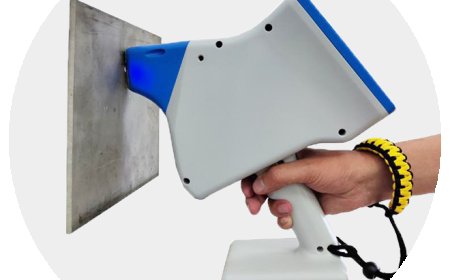
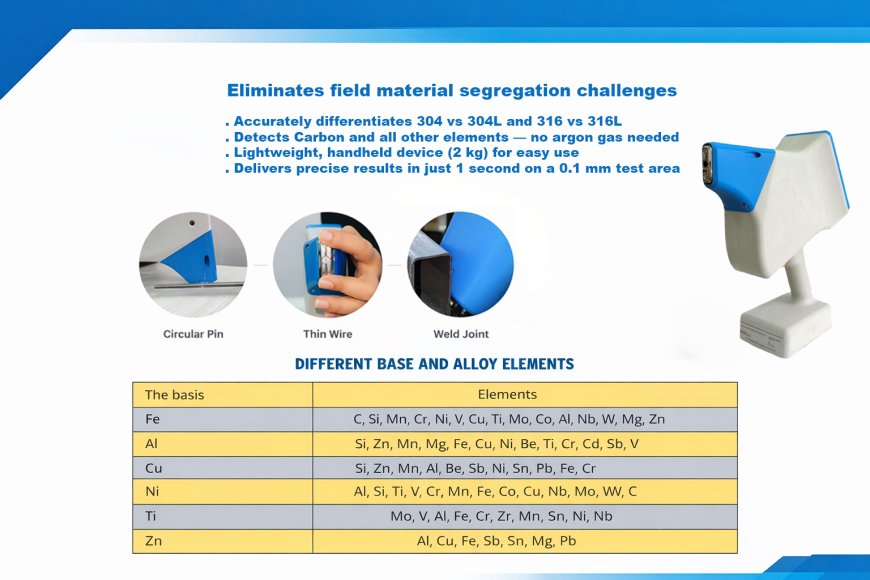
The Portable Laser Spectrometer LIS-02 is a compact and high-precision solution designed for fast and accurate elemental analysis of metals. Engineered for on-site testing, it enables instant material identification without damaging the sample, making it ideal for quality control, inspection, and metal verification applications.

Portable LIBS Spectrometer Laser Safety: A Practical Guide to Class 3B Operation
A portable LIBS spectrometer works by firing a laser at metal. That is the whole point of the technology, and it is also the main safety question every buyer should ask. The LIS-02 uses a pulsed DPSS laser at 1064 nm and is listed as laser safety class 3B.
This guide explains what that class means, what controls to put in place, and how to train operators. It is general guidance. Your device manual and national regulations decide the actual requirements.
What the LIS-02 Laser Specifications Tell You
The published technical characteristics list:
- Source of radiation: pulsed DPSS laser, 1064 nm
- Measurement point size: 50 microns
- Measurement duration: 1.0 second
- Laser emitter safety class: 3B
The 1064 nm wavelength sits in the infrared. Your eyes cannot see it. A beam can reach the eye with no visible warning, so you cannot rely on what you see to stay safe.
What Class 3B Means in Practice
IEC 60825-1 defines laser classes. Class 3B lasers can injure the eye if the beam, or a mirror-like reflection of it, enters the eye directly. Diffuse reflections from rough surfaces are generally much less hazardous, but shiny metal can behave like a mirror.
That last point matters in LIBS work. Polished steel, stainless sheet, and machined surfaces can reflect a beam in unexpected directions. Treat every test as if the beam could bounce.
Core Safety Controls
Eye Protection
Use laser safety eyewear rated for the device's wavelength. Eyewear for one wavelength does not protect against another. Check the optical density and wavelength marking against the device manual. Ask the vendor which eyewear they specify for the LIS-02.
Control of the Test Area
- Mark the testing zone clearly.
- Keep bystanders out of the beam path.
- Never point the unit at people, windows, or mirrors.
- Avoid testing near open doorways where the beam could leave the work area.
Access Control
- Allow only trained, authorized operators to use the device.
- Protect the device with its password feature.
- Store the unit locked when idle.
Safe Handling Habits
- Press the test head flat against the sample so the beam stays on the target.
- Do not fire the laser into the air.
- Stop work if the sample is small, loose, or curved in a way that could redirect the beam.
Know Your Local Requirements
Laser safety rules differ by country and by workplace. Some sites require a designated laser safety officer, written procedures, warning signs, and operator training records. Check with your safety department and national regulator. Do not assume the device manual alone covers your legal duties.
Training Operators for Laser Safety
A short, practical session works better than a long lecture. Cover these points:
- What Class 3B means and why 1064 nm is invisible
- How reflections from shiny metal can hurt the eyes
- Correct eyewear selection and inspection
- Test area setup and bystander control
- What to do after a suspected exposure
- Record keeping for training and equipment checks
Then test the operator. Ask them to set up a test area, choose eyewear, and explain how they would handle a reflective sample. Repeat the check on a schedule.
What to Do After a Suspected Eye Exposure
Stop work and switch the device off. Send the person for a medical eye examination promptly, and tell the examiner about the laser's class and wavelength. Report the event under your site's incident procedure. Do not wait for symptoms, because some eye injuries from infrared lasers cause little pain at first.
Safety Checklist Before Each Shift
- Eyewear is the correct type and free of damage
- The test area is marked and clear
- The operator is trained and authorized
- The device is checked against a reference sample
- Warning signs are in place where required
- The device is locked or stored properly after use
Buying Questions on Laser Safety
Ask any LIBS vendor these questions:
- What laser class is the device, and which standard does it follow?
- Does the device have interlocks or a head-contact feature that limits firing?
- Which eyewear do you specify, and is it supplied?
- Does your training cover laser safety and local compliance?
- What safety documentation comes with the unit?
Frequently Asked Questions
What laser class is the LIS-02?
The published specification lists laser emitter safety class 3B.
Can I see the LIS-02 laser beam?
Not reliably. The 1064 nm wavelength is infrared and invisible to the eye.
Do I need eye protection with a Class 3B LIBS device?
Yes, in line with your device manual and local rules. Use eyewear rated for 1064 nm.
Are shiny metal samples more dangerous to test?
They can reflect the beam like a mirror, so take extra care with polished or machined surfaces.
Who should be allowed to operate the device?
Only trained, authorized operators, with password protection enabled on the unit.
Final Thought
Laser safety is part of using a portable LIBS spectrometer well. Class 3B is manageable with the right eyewear, a controlled test area, trained operators, and clear access rules. Build these habits first, and the device becomes a safe, everyday inspection tool.
Need operator training that covers laser safety? Contact NPP Strukturnaya Diagnostika Pvt. Ltd. at sales@nppsd.co.in or call +91 92899 24641 to ask about certification-based training on the LIS-02.
What's Your Reaction?