



























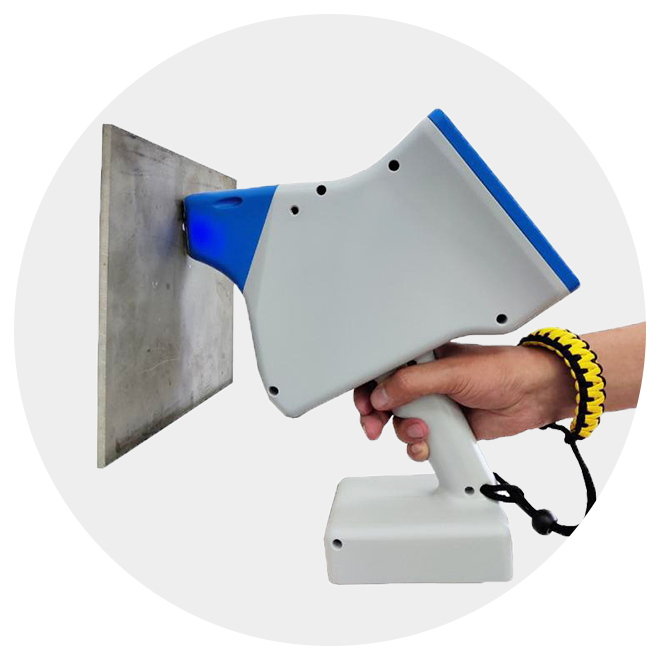
Portable LIBS Spectrometer LIS-02, Carbon detection spectrometer
Portable LIBS Spectrometer LIS-02 deducts the carbon without use of argon gas in one second. It is Fast, precise metal analyzer.

How a Portable LIBS Spectrometer Is Changing Metal Testing
on the Factory Floor
Quality teams in steel plants, aerospace shops, and automotive supplier units used to live with a frustrating gap. A sample would leave the shop floor, travel to a lab, and come back with results hours — sometimes a full shift — later. By the time the report landed, the batch had either moved on or sat idle, burning time and money either way.
A Portable LIBS Spectrometer closes that gap. It puts lab-grade elemental analysis directly into the hands of the person standing next to the material, and it does it in seconds rather than hours. For manufacturers under pressure to verify grade, catch mix-ups, and satisfy audit trails without slowing production, that shift matters more than it might first appear.
This article looks at what a Portable LIBS Spectrometer actually does, why industries are adopting it quickly, and where certification-based training fits into getting real value from the technology.
What a Portable LIBS Spectrometer Actually Does
LIBS stands for Laser-Induced Breakdown Spectroscopy. A short laser pulse hits the metal surface, vaporizing a tiny amount of material into a plasma. That plasma emits light at wavelengths specific to each element present, and the spectrometer reads those wavelengths to identify the alloy's exact composition.
The Portable LIBS Spectrometer LIS-02 from NPP Strukturnaya Diagnostika applies this principle in a handheld format built for shop-floor conditions rather than a controlled lab bench. An operator holds the probe against the metal, triggers a reading, and gets a full elemental breakdown on the built-in display within seconds.
There's no sample cutting, no polishing, and no shipping material off-site. The test happens where the metal already is — on the receiving dock, at the machining station, or on a finished part before it ships.
Why Speed Changes the Economics
Traditional wet chemistry or lab-based spectrometry isn't inaccurate — it's just slow relative to how fast production moves. Every hour a batch waits on a lab result is an hour of inventory sitting still, a machine idle, or a shipment delayed.
Instant, on-the-spot verification means a receiving inspector can accept or reject incoming stock before it's even unloaded from the truck. A quality engineer can confirm the alloy on a finished aerospace bracket before it leaves the cell. That single change — seconds instead of hours — is often the biggest reason plants switch to portable analysis in the first place.
Where Portable LIBS Spectrometers Fit Across Industries
Steel and Metal Processing
Mills and stockists use a Portable LIBS Spectrometer to sort scrap and confirm incoming raw material grade. Positive Material Identification (PMI) at the receiving dock catches mixed alloys before they enter a melt or a fabrication line, which prevents costly downstream rework.
Aerospace Manufacturing
Aerospace parts carry tight tolerances on alloy composition, and traceability is non-negotiable. A handheld analyzer lets inspectors verify titanium, nickel, and aluminum alloys against specification at incoming inspection and again before final sign-off, supporting the paper trail auditors expect to see.
Automotive Supply Chains
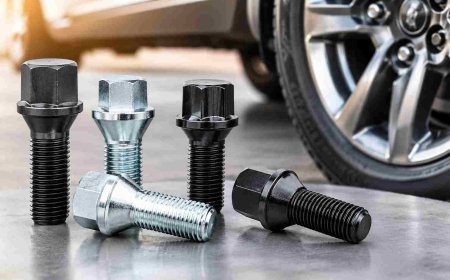
Tier 1 and Tier 2 suppliers face constant pressure to prove material conformance to OEM standards. Spot-checking fasteners, castings, and stampings a portable unit gives supplier quality teams a fast, defensible way to catch non-conforming material before it reaches assembly.
Getting Real Value: Why Training Matters as Much as the Hardware
Buying a Portable LIBS Spectrometer is only half the equation. The instrument is only as reliable as the person operating it — surface preparation, probe contact, and calibration checks all affect reading accuracy.
NPPSD offers certification-based training alongside the LIS-02, covering:
- Correct probe handling and surface contact technique
- Calibration verification and reference standard checks
- Reading interpretation across common alloy families
- Documentation practices that hold up during customer or regulatory audits
Teams that complete this training tend to get consistent, repeatable results from day one, rather than spending weeks discovering best practices through trial and error. For quality managers evaluating a purchase, certification support is worth asking about directly — it's often the difference between a device that sits in a drawer and one the whole shift actually trusts.
Portable LIBS vs. Traditional Lab Testing
| Factor | Portable LIBS Spectrometer | Traditional Lab Testing |
|---|---|---|
| Result time | Seconds, on the spot | Hours to days |
| Sample prep | Minimal, non-destructive | Cutting/polishing required |
| Location | Anywhere on the floor | Fixed lab location |
| Best for | Fast sorting, PMI, spot checks | Certified full-composition reports |
Most plants don't replace lab testing entirely — they use portable analysis for the high-volume, time-sensitive checks and reserve the lab for full certified reports.
Conclusion
A Portable LIBS Spectrometer turns metal verification from a wait-and-see lab process into an immediate, on-the-floor decision. For steel processors, aerospace manufacturers, and automotive suppliers alike, that speed translates directly into fewer delays, cleaner audit trails, and less risk from misidentified material.
The LIS-02 from NPP Strukturnaya Diagnostika brings this capability into a rugged, field-ready handheld — backed by certification training that helps your team get accurate results from the very first reading.
Ready to see it on your own materials? Contact NPPSD at sales@nppsd.co.in or +91 9289924641 to request a demonstration or ask about certification-based training for your quality team.
FAQs
1. What is a Portable LIBS Spectrometer used for? It's used for instant, on-the-spot identification of metal alloy composition — commonly for incoming material verification, scrap sorting, and finished-part quality checks in steel, aerospace, and automotive settings.
2. How accurate is a Portable LIBS Spectrometer compared to lab testing? It's highly accurate for elemental screening and PMI, though most plants still use certified lab spectrometry for formal full-composition reports. Portable units and lab testing are typically used together, not as a full replacement.
3. Does the LIS-02 require sample preparation? No. The LIS-02 tests directly on the metal surface with minimal to no prior preparation, unlike wet chemistry or bench spectrometry, which usually need cutting or polishing.
4. Is training required to operate a Portable LIBS Spectrometer? Basic operation is straightforward, but proper technique for probe contact, calibration checks, and reading interpretation significantly improves accuracy. NPPSD offers certification-based training for this reason.
5. Which industries benefit most from portable LIBS technology? Steel and metal processing, aerospace manufacturing, and automotive supply chains see the biggest gains, since all three depend on fast, defensible material verification.
What's Your Reaction?