





























India Broom And Mop Market Size, Share, Emerging Trends and Revenue Forecast 2026-2034
The India broom and mop market reached a value of USD 140.3 Million in 2025 to USD 148.5 Million in 2026. Looking forward, IMARC Group expects the market to reach USD 213.0 Million by 2034, exhibiting a growth rate (CAGR) of 4.61% during 2026-2034.

According to IMARC Group’s report titled “India Broom and Mop Market Size, Share, Trends and Forecast by Product Type, Distribution Channel and Region, 2026-2034“, the report offers a comprehensive analysis of the industry, including market trends, share, forecast, growth and regional insights.
Market Outlook
The India broom and mop market reached a value of USD 140.3 Million in 2025 to USD 148.5 Million in 2026. Looking forward, IMARC Group expects the market to reach USD 213.0 Million by 2034, exhibiting a growth rate (CAGR) of 4.61% during 2026-2034. The market landscape is shifting toward natural fiber cleaning solutions, advanced microfiber materials, and ergonomic product designs. Increased awareness regarding indoor health hazards associated with chemical cleaners, combined with expanding online retail penetration across Tier II and Tier III cities, continues to strengthen market momentum across both rural and urban sectors.
Market Snapshot
- Market Size (2025): USD 140.3 Million
- Market Size (2026): USD 148.5 Million
- Forecast Market Size (2034): USD 213.0 Million
- CAGR (2026-2034): 4.61%
- Base Year: 2025
- Forecast Years: 2026-2034
- Historical Years: 2020-2025
Market Growth Factors
- Rapid Urbanization and Real Estate Expansion: The massive, nationwide boom in residential housing, sprawling gated apartment communities, and modern commercial office spaces across tier-1 and tier-2 cities creates a continuous, high-volume baseline demand for everyday household cleaning tools. As millions of new urban dwelling units are handed over annually, developers and property managers fuel bulk procurement cycles for basic and specialized sweepers alike.
- Heightened Post-Pandemic Hygiene and Health Awareness: Consumer mindsets have undergone a permanent structural shift toward rigorous home sanitation, transforming cleaning from a routine, superficial chore into a critical health safeguard. Households increasingly demand advanced, germ-trapping cleaning implements that ensure deep microbial removal rather than merely pushing surface dust around.
- Proliferation of Nuclear Families and Dual-Income Households: The rising prevalence of busy nuclear families and dual-income urban households has severely compressed available time for domestic chores, driving a strong preference for time-saving, highly efficient cleaning devices. Working professionals actively seek out modern equipment that minimizes physical exertion and slashes daily cleaning time.
- Retail Evolution and Omnichannel Accessibility: The rapid, widespread penetration of organized supermarkets, hypermarkets, and online quick-commerce delivery applications has radically transformed consumer access to home-care products. Shoppers can now effortlessly browse, compare, and instantly procure ergonomic, branded cleaning tools right at their doorstep without relying solely on traditional neighborhood markets.
- Affordable Localized Innovation by FMCG Giants: Established household brands and agile domestic manufacturers are continuously investing in R&D to produce durable, highly cost-effective plastic-handle brooms and lightweight microfiber mops. These products are specifically engineered to tackle diverse Indian flooring types—ranging from traditional cement and marble to modern high-gloss vitrified tiles.
Key Market Trends and Emerging Shifts
- Transition From Traditional Grass Brooms to Synthetic Alternatives: While natural grass brooms retain deep cultural roots and massive volume across rural and semi-urban retail pockets, urban households are aggressively migrating toward washable, long-lasting synthetic, plastic-bristle, and coconut-palm fiber brooms. These modern alternatives completely eliminate the frustrating shedding of dust and straw fragments typical of traditional natural brooms.
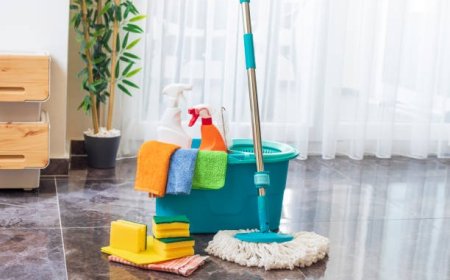
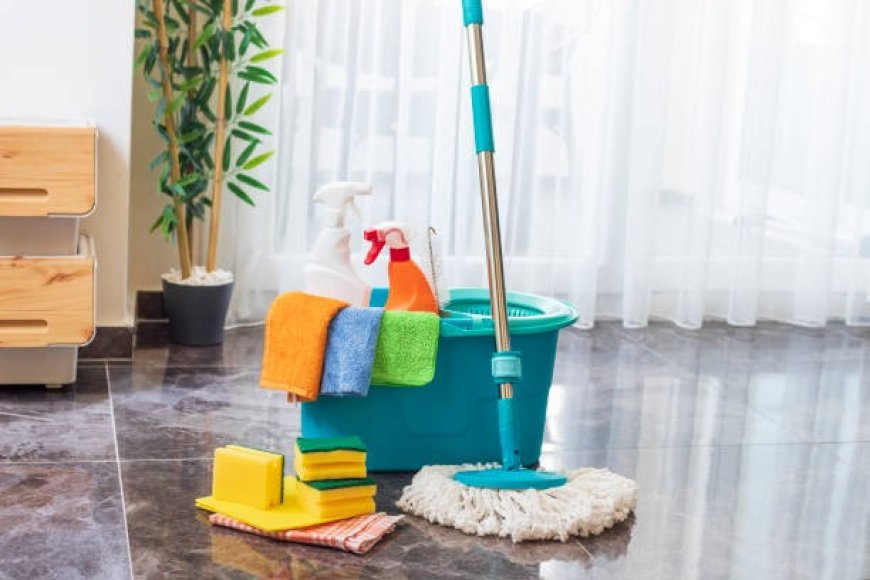
- Explosive Adoption of Spin-Mops and Flat Microfiber Systems: Traditional floor-cleaning methods utilizing dirty floor rags and manual wringing are rapidly becoming obsolete in modern households, replaced by ergonomic spin-mop buckets with built-in pedal wringers and flat microfiber mops. These advanced tools enable effortless maneuverability, superior water absorption, and easy reach underneath heavy furniture.
- Aesthetic Premiumization and Ergonomic Design Integration: Modern urban consumers increasingly demand cleaning tools that harmonize with contemporary interior aesthetics, prompting brands to release products featuring vibrant colorways, sleek profiles, and compact, space-saving storage configurations. Furthermore, manufacturers are incorporating adjustable telescopic handles and cushioned grips to prevent chronic back strain during long cleaning sessions.
- Mainstreaming of Eco-Friendly and Sustainable Materials: In direct response to mounting environmental concerns over plastic waste and single-use packaging, forward-thinking manufacturers are rolling out sustainable product lines. These include biodegradable natural fiber heads, handles crafted from recycled plastics, and chemical-free cleaning solutions designed to minimize environmental footprints.
- Digital-First Brand Discovery and Bundled Cleaning Kits: Emerging home-care brands are heavily leveraging social media marketing, influencer demonstrations, and digital-first campaigns to showcase the efficacy of multi-surface cleaning kits. By offering bundled packages—such as combination sets featuring multi-surface brooms, squeegee wipers, and spray mops—brands successfully capture high-intent urban consumers.
How will the India Broom and Mop Market Evolve in the Coming Years?
The India broom and mop market is positioned for steady, value-driven expansion through 2034, structurally underpinned by rising disposable incomes and continuous product innovation. As urban flooring preferences shift toward high-gloss vitrified tiles and wooden laminates, long-term capacity requirements will favor specialized scratch-free mops and durable synthetic sweepers. Stakeholders who strategically invest in ergonomic designs, robust multi-channel distribution, and affordable pricing tiers will capture dominant market share across India's modernizing domestic household sector.
➤ Request Sample Report – TOC, Charts & Key Insights: https://www.imarcgroup.com/india-broom-mop-market/requestsample
How Is the Market Segmented?
Product Type Insights:
- Brooms
- Mops
Distribution Channel Insights:
- Supermarkets and Hypermarkets
- Convenience Stores
- Online Retail
Regional Insights:
- North India
- South India
- East India
- West India
Recent Market Developments:
- Plastic Waste Countermeasures: To reduce the 500 grams of plastic trash generated monthly per household from cleaning materials, manufacturers are heavily expanding their portfolios with green heritage product lines constructed from bamboo, jute, and cotton.
- E-Commerce Channel Maximization: Leading household brands are introducing trade incentives and digital storefront tools to align with the massive consumer transition toward quick-commerce and online retail.
Competitive Landscape
The market features intensely competitive activity strictly focused on rapid capacity expansion, compliance with rigid national environmental safety frameworks, and seamless integration with formalized automotive supply chains. A massive strategic focus remains on heavily leveraging advanced localized hydrometallurgical processing to cater to the rapidly evolving material requirements of newly sanctioned domestic gigafactories.
Customization Note: If you require any specific information not covered within this report's scope, we will provide it as part of the customization.
➤ Request Report Customization: https://www.imarcgroup.com/request?type=report&id=30107&flag=E
Frequently Asked Questions (FAQs)
Q1. How big is the broom and mop market in India?
Ans. The broom and mop market in India was valued at USD 140.3 Million in 2025.
Q2. What is the future outlook of the broom and mop market in India?
Ans. The India broom and mop market is projected to exhibit a CAGR of 4.61% during 2026-2034, reaching a value of USD 213.0 Million by 2034.
Q3. What are the key product types analyzed in the report?
Ans. The market is primarily segmented into brooms and mops.
Q4. What are the key factors driving the India broom and mop market?
Ans. The market is driven by rapid urbanization, rising awareness toward household cleaning, commercial cleaning service growth, creative product designs, and increasing disposable incomes.
Q5. How is consumer awareness impacting the market?
Ans. Rising health and environmental consciousness is propelling the demand for chemical-free, eco-friendly cleaning solutions and tools made from natural fibers like bamboo and jute.
Strategic Insight & Verdict
The India broom and mop sector presents a steady, volume-driven expansion opportunity, advancing toward USD 213.0 Million by 2034. The industry is structurally evolving from basic, highly commoditized synthetic tools toward ergonomic, eco-friendly, and chemical-free cleaning solutions. Supported by rising institutional sanitation standards and a rapid surge in e-commerce adoption, stakeholders prioritizing sustainable materials and innovative, time-efficient designs will remain uniquely positioned to capture dominant market share across both residential and commercial verticals over the forecast period.
What's Your Reaction?