

































B2B Travel Solutions to Simplify Agency Operations
Discover how B2B travel solutions can simplify bookings, supplier connectivity, automation, and daily agency operations while improving efficiency and customer service.

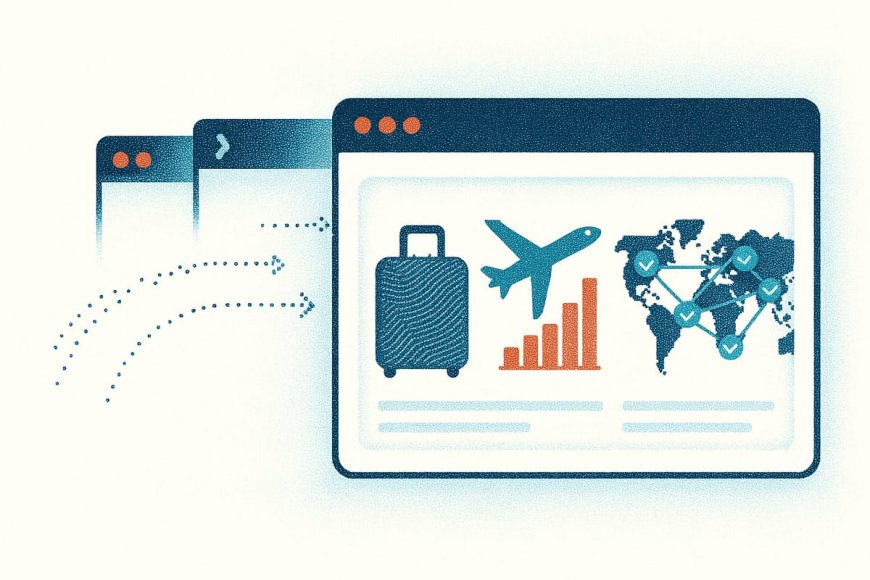
Running a travel agency today involves much more than finding flights, hotels, or holiday packages for customers. Agencies also have to manage supplier information, availability, bookings, payments, customer requests, cancellations, and communication across different channels. When these tasks are handled through separate systems, even a busy and experienced team can lose valuable time.
Modern travel technology can make this process more manageable. A well-designed business-to-business platform can connect important travel functions in one place, helping agencies reduce manual work while giving their teams better control over everyday operations. The goal is not simply to add another piece of software, but to create a smoother workflow that supports faster service and more organised business growth.
Why Travel Agencies Need a More Connected Workflow
A travel agency may deal with multiple suppliers, booking requests, customer records, pricing rules, invoices, and internal approvals during a single working day. If employees have to move between spreadsheets, emails, supplier websites, and different booking tools, small delays can quickly become part of the normal workflow.
This is where b2b travel solutions can provide practical value. Instead of treating reservations, supplier access, and agency operations as completely separate activities, a connected platform can bring key processes together. Staff can spend less time searching for information and more time helping customers, managing relationships, and closing bookings.
The biggest advantage is often consistency. When information is organised within a central system, different members of the team can work from the same source. This can make it easier to track booking details, update records, review requests, and maintain a clear view of ongoing transactions.
Building Better Connections With Travel Suppliers
Supplier connectivity is one of the most important parts of modern travel technology. Agencies may need access to flights, hotels, transfers, tours, or other travel inventory. Manually checking each supplier can make the booking process slow, particularly when an agent needs to compare several options for a customer.
APIs can help solve this problem by allowing different systems to exchange information. When properly integrated, an API can transfer data such as availability, pricing, booking details, and confirmation information between platforms. This reduces the need for employees to repeatedly enter the same information.
Automation also has an important role. For example, when a reservation is completed, relevant booking information can be recorded automatically instead of requiring an employee to update several systems manually. This does not remove the need for human oversight, but it can reduce repetitive administrative work.
For agencies, the quality of integration matters just as much as the number of connections. A useful system should present information in a way that employees can understand quickly rather than simply adding more data to an already complicated workflow.
What to Look for Before Choosing a B2B Platform
Not every travel business has the same requirements. A small agency may need a straightforward booking environment, while a larger operation may require multiple user accounts, supplier integrations, customer management, reporting, and flexible pricing controls.
Before choosing a platform, agencies should consider how it fits their existing workflow. A b2b travel portal demo can be useful because it allows business owners and staff to see how the system handles practical tasks rather than judging the software from a list of features alone.
During a demonstration, it is worth checking how quickly an agent can search for travel products, create a booking, retrieve an existing reservation, and access customer information. The navigation should feel logical, especially for employees who will use the system throughout the day.
Agencies should also ask about integrations, user permissions, booking management, reporting, support, and system scalability. A platform may look impressive during a presentation, but its real value depends on whether it solves the agency's everyday problems without creating unnecessary complexity.
Making Daily Booking Tasks Easier for Staff
Travel consultants often work under time pressure. A customer may ask for several hotel options, change their travel dates, request a different room type, or need an updated quotation within a short period. If the agent has to repeat the same administrative steps every time, service can become slower.
A central booking environment can make these tasks easier by keeping relevant information accessible from one place. Instead of searching through old emails or separate files, staff can use the system to review booking information and continue working from the latest available details.
Automation can also help with routine actions such as booking confirmations, notifications, record updates, and internal workflows. The exact level of automation should depend on the agency's requirements. Not every decision should be automated, particularly when a booking involves special requests or unusual customer needs.
The best approach is to let technology handle repetitive processes while employees remain responsible for decisions that require judgement. This balance can help agencies improve efficiency without making customer service feel impersonal.
Using Data to Make Better Business Decisions
A travel agency generates useful operational data every day. Bookings, cancellations, customer requests, supplier activity, sales performance, and frequently selected travel products can all provide insight into how the business is operating.
A capable system can organise this information into reports that are easier to review. Managers can use these reports to understand which products receive attention, where booking activity is coming from, and which parts of the workflow may require improvement.
For example, if employees frequently spend time correcting incomplete booking information, the agency may need to improve its internal process or booking forms. If certain travel products receive many enquiries but few confirmed bookings, managers may want to review pricing, availability, or the way those products are presented.
Synch Travel can fit naturally into this type of technology-focused approach by helping travel businesses look at their operational processes through a more connected digital environment. The important consideration for any agency is choosing technology that supports actual business requirements rather than adopting features simply because they are available.
Why User Experience Still Matters
Technology should make an employee's job easier, not force them to learn complicated procedures for simple tasks. This is particularly important in travel, where agents may need to respond quickly while communicating with customers at the same time.
A clean interface can reduce unnecessary clicks and make important information easier to locate. Search functions should be practical, booking details should be clearly organised, and common actions should not be hidden behind confusing menus.
The same principle applies to business customers using a B2B portal. If agents can search, compare, book, and manage reservations without unnecessary obstacles, they are more likely to use the platform effectively.
Training also matters. Even a well-designed system needs proper onboarding. Employees should understand how to use the booking workflow, manage records, handle changes, and follow the agency's internal procedures. Good training can turn a technology investment into a useful operational tool instead of an underused system.
Preparing an Agency for Future Growth
Growth can expose weaknesses that remain hidden when an agency handles a smaller number of bookings. More customers mean more records, more supplier interactions, more transactions, and greater pressure on employees.
A scalable travel platform can help an agency prepare for that growth. Instead of rebuilding its processes every time booking volume increases, the business can use a system designed to support additional users, products, integrations, and workflows.
However, scalability should not mean unnecessary complexity. Agencies should choose technology that can grow with them while remaining manageable for their current team. Flexible user access, reliable integrations, organised data, and straightforward administration can be more valuable than a long list of advanced features that the business rarely uses.
The right technology also gives agencies more room to focus on relationships. When routine administration becomes easier, employees can spend more time understanding customer requirements, communicating with suppliers, and improving the overall booking experience.
A Practical Way to Improve Agency Operations
Choosing new travel technology should begin with business problems rather than software features. Agencies should identify where employees currently lose time, where information becomes difficult to track, and which processes involve unnecessary manual work.
From there, decision-makers can compare platforms based on usability, connectivity, automation, reporting, security, support, and long-term flexibility. Testing the actual workflow with staff is especially valuable because the people using the system every day can identify problems that may not be obvious during a sales presentation.
A successful technology investment does not necessarily mean automating everything. It means creating a better balance between people and technology. Routine processes can be simplified, information can be organised, and employees can retain control over decisions that require experience and personal attention.
Conclusion
Travel agencies operate in a fast-moving environment where efficient processes can make a real difference to customer service and daily productivity. Disconnected tools and repetitive administration can make simple booking tasks unnecessarily difficult, while a well-planned digital system can bring important operations into a more organised workflow.
The most effective B2B approach is one that connects useful travel inventory, booking processes, APIs, automation, reporting, and user management without making the system difficult to operate. Agencies should focus on practical usability and long-term business needs rather than choosing technology based only on the number of features.
When the right platform supports the right processes, employees can work with greater clarity, customers can receive faster responses, and the agency can build a stronger foundation for future growth.
What's Your Reaction?