






























Why Small Medical Practices Need the Right EMR System
Some systems also provide scheduling, billing, prescription management, laboratory integrations, reporting, and patient communication tools.

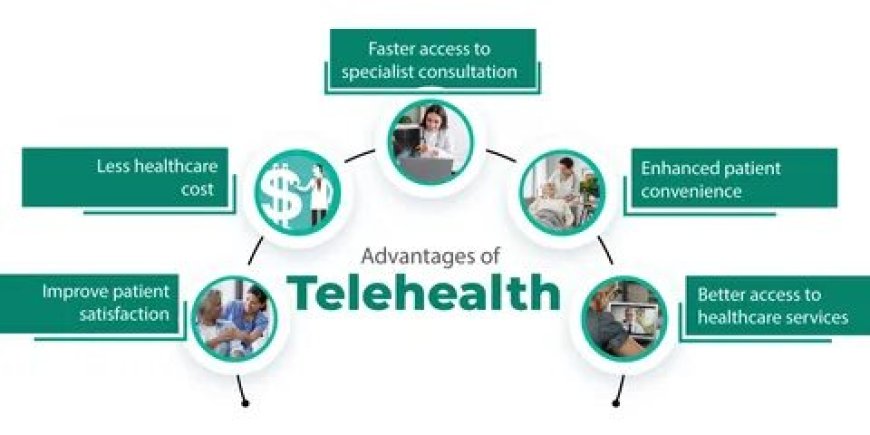
Running a small healthcare practice involves much more than seeing patients. Healthcare professionals also manage appointment schedules, medical records, prescriptions, billing, documentation, and communication. When these responsibilities are handled through disconnected systems or paper files, daily operations can become unnecessarily complicated.
Small practices often operate with limited staff and budgets, which makes choosing the right technology particularly important. An electronic medical record system can help organize clinical information and support routine workflows, provided it is suited to the practice's actual needs.
The Administrative Challenges of Small Practices
Independent healthcare practices and small clinics often have fewer administrative resources than large hospital networks.
A doctor may work with only a receptionist, assistant, nurse, or small administrative team. These individuals may be responsible for multiple tasks throughout the day.
Paper records can be difficult to retrieve, appointment information may be spread across different tools, and billing documentation may require repeated manual work.
As patient numbers grow, these challenges can become more noticeable.
Digital medical records can help organize information and reduce some of the administrative burden associated with managing a practice.
What an EMR System Actually Does
An electronic medical record, or EMR, is a digital system used to manage patient information within a healthcare practice.
Depending on the software, it may include patient demographics, medical histories, clinical notes, diagnoses, medication information, treatment plans, and appointment records.
Some systems also provide scheduling, billing, prescription management, laboratory integrations, reporting, and patient communication tools.
The available features vary considerably, so practices should not assume that every EMR includes the same capabilities.
Choosing an EMR for Small Businesses
Searching for an EMR for small businesses may produce solutions designed for different industries, including healthcare-specific systems and general business management software.
Medical practices should prioritize systems designed to support clinical documentation and healthcare workflows rather than choosing software based only on its price or general business features.
Healthcare-specific EMR systems may offer templates for clinical notes, patient histories, medication documentation, and appointment management.
Small practices should consider whether the system is easy to use, supports the required workflows, and can be implemented without creating excessive administrative work.
Why EMR Software for Small Practices Should Be Simple
EMR software for small practices should help healthcare professionals manage patient information without making routine tasks more complicated.
A practical system may include:
-
Organized patient records
-
Appointment scheduling
-
Clinical documentation
-
Prescription management
-
Billing support
-
Secure user access
-
Reporting tools
-
Data backup options
The most useful features depend on the practice's specialty and size.
A family medicine clinic may need different templates and workflows from a dermatology practice, mental health clinic, or physiotherapy office.
Practices should evaluate the system based on their daily activities rather than selecting software with the largest feature list.
Protecting Patient Information
Healthcare practices manage sensitive information, so privacy and security should be important considerations when evaluating an EMR.
Practices should review user permissions, authentication options, encryption, backup procedures, audit logs, data access policies, and applicable regulatory requirements.
They should also understand how patient data is stored, whether it can be exported, and what happens if they decide to change software providers.
The security requirements may vary depending on the country in which the practice operates.
Preparing Staff Before Implementation
Introducing a new EMR requires planning.
Before implementation, practices should identify their current workflows, determine which tasks need improvement, and prepare staff for the transition.
Training is important because unfamiliar software can slow down operations initially.
Practices may also need to review existing records, establish documentation standards, and create procedures for handling technical problems.
A gradual implementation approach may help staff become comfortable with the system.
Technology That Supports Better Practice Management
Choosing an EMR should be a practical decision rather than a technology trend.
The right EMR for small businesses in healthcare should support documentation, organization, and patient management while remaining appropriate for the practice's budget and workload.
With careful selection and implementation, EMR software for small practices can help clinics move away from fragmented administrative processes and create more organized day-to-day operations.
What's Your Reaction?