



























How to Know When Your Roof Needs Replacement

Your roof is one of the most important parts of your home, protecting your family, belongings, and property from the elements. Over time, even the best roofing systems begin to wear down due to age, weather exposure, and normal deterioration. Knowing when a roof needs replacement can help prevent costly repairs, water damage, and structural issues. In this guide, we explain the most common signs that indicate it may be time to replace your roof and how professional inspections can help you make the right decision.
What Is the Average Lifespan of a Roof?
Different roofing materials have different life expectancies. Asphalt shingles typically last between 20 and 30 years, while metal roofs can last 40 to 70 years with proper maintenance. Tile and slate roofs often last even longer. However, climate conditions, installation quality, ventilation, and maintenance all affect how long a roof will perform effectively. If your roof is approaching the end of its expected lifespan, it is wise to schedule a professional inspection and begin planning for a replacement before major problems develop.
Your Roof Is Nearing the End of Its Lifespan
One of the clearest indicators that a roof may need replacement is its age. Roofing materials naturally deteriorate over time, even when they appear to be in acceptable condition. Older roofs become more vulnerable to leaks, weather damage, and reduced energy efficiency. If your roof is close to or beyond its expected lifespan, replacement is often a more cost-effective solution than continuing to invest in repeated repairs.
Missing, Cracked, or Curling Shingles
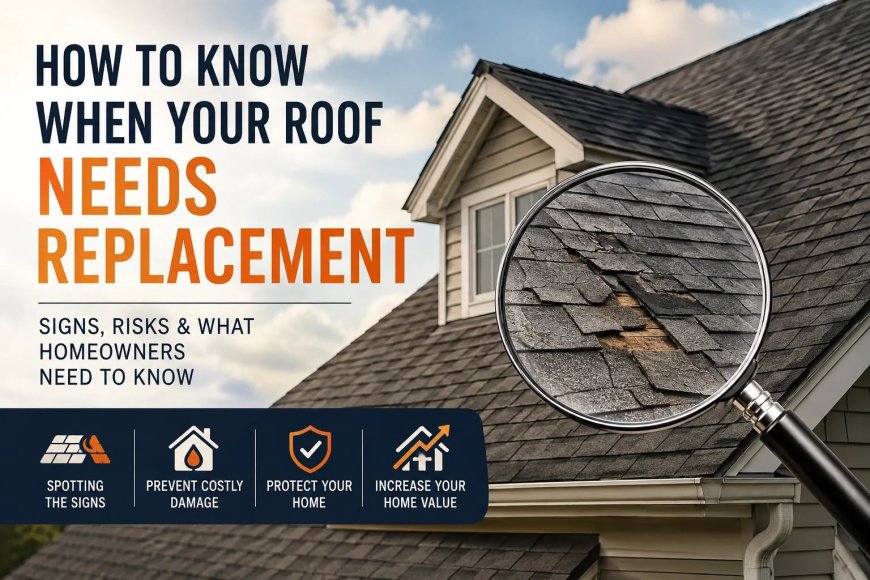
Shingles are your roof’s first line of defense against rain, wind, and sunlight. Missing, cracked, curling, or buckling shingles indicate that the roofing system is deteriorating. These damaged areas can allow water to penetrate the roof structure, leading to leaks and wood rot. While replacing a few shingles may solve isolated issues, widespread shingle damage often signals that a full roof replacement is necessary.
Frequent Roof Leaks
A roof that experiences recurring leaks may have underlying problems that repairs cannot fully resolve. Water stains on ceilings, damp insulation, mold growth, and visible moisture in the attic are all signs of ongoing roof failure. Frequent repairs can become expensive over time, and replacing the roof may provide a more reliable long-term solution that protects the property from further damage.
Sagging Roof Structure
A sagging roof should never be ignored. This condition often indicates serious structural problems such as moisture damage, weakened decking, or compromised support systems. A sagging roof can pose safety risks and may eventually lead to structural failure if left unaddressed. Professional roofing contractors should inspect the issue immediately to determine whether a complete roof replacement is required.
Extensive Granule Loss
Asphalt shingles are coated with protective granules that shield them from ultraviolet rays and harsh weather conditions. Over time, these granules can wear away and accumulate in gutters or downspouts. Significant granule loss reduces the roof’s ability to protect the home and accelerates deterioration. When granule loss is widespread across the roof, replacement is often the best option.
Moss, Algae, and Mold Growth
Moss, algae, and mold can develop on roofs that retain moisture for extended periods. While some growth can be cleaned and managed, excessive biological growth may indicate deeper moisture issues beneath the roofing materials. Over time, trapped moisture can weaken the roof structure, damage shingles, and contribute to costly repairs. In severe cases, replacement may be necessary.
Daylight Visible in the Attic
If you can see sunlight coming through your roof boards while in the attic, there is likely damage to the roofing system. Openings in the roof can allow water, insects, and outside air to enter the home. These gaps often indicate deterioration of roofing materials or decking. A professional inspection can determine whether repairs are sufficient or if a replacement is needed.
Rising Energy Bills
An aging or damaged roof can negatively impact your home’s energy efficiency. Poor insulation, ventilation issues, and deteriorated roofing materials may allow heat to enter during summer and escape during winter. As a result, heating and cooling systems work harder, increasing energy costs. Replacing an outdated roof can improve insulation performance and reduce monthly utility expenses.
Storm, Hail, or Wind Damage
Severe weather can cause significant roof damage that may not always be visible from the ground. High winds can remove shingles, hail can create impact damage, and storms can compromise flashing and underlayment. Even if leaks are not immediately apparent, storm damage can shorten a roof’s lifespan. After major weather events, a professional inspection is recommended to assess whether replacement is necessary.
Roof Repair vs. Roof Replacement
The decision between repairing and replacing a roof depends on the extent of the damage, the age of the roof, and the overall condition of the roofing system. Minor issues on newer roofs can often be repaired effectively. However, when damage is widespread or recurring, a replacement may provide better value and long-term protection. A qualified roofing contractor can help evaluate the most cost-effective option.
The Risks of Delaying Roof Replacement
Postponing roof replacement can lead to water damage, mold growth, structural deterioration, and higher repair costs. Small issues often become larger and more expensive over time. Delays can also reduce energy efficiency and negatively impact property value. Replacing a failing roof promptly helps protect the home while avoiding unnecessary expenses and disruptions.
Benefits of Replacing Your Roof
A new roof provides improved protection, enhanced curb appeal, increased property value, and greater energy efficiency. Modern roofing materials are designed to withstand harsh weather conditions while offering better insulation performance. Homeowners may also benefit from manufacturer warranties and reduced maintenance costs. Investing in a roof replacement can provide peace of mind and long-term savings.
How a Professional Roof Inspection Can Help
Professional roof inspections provide a detailed assessment of the condition of your roofing system. Inspectors evaluate shingles, flashing, underlayment, ventilation, and structural components to identify existing and potential issues. Regular inspections help homeowners make informed decisions about repairs or replacement and can prevent unexpected roofing emergencies.
Conclusion
Recognizing the warning signs of roof failure can help homeowners take action before minor issues become major problems. Factors such as age, leaks, missing shingles, sagging areas, and storm damage often indicate that replacement may be necessary. If you notice any of these signs, schedule a professional roof inspection to determine the best course of action and protect your investment.
What's Your Reaction?