


























Washington DC's Indian Community and the Spirit of Chhath
Chhath Puja is more than a festival; it is a celebration of faith, gratitude, family traditions, and community togetherness. For Washington DC's Indian community, Chhath Puja 2026 offers a meaningful opportunity to reconnect with cultural roots, celebrate traditional rituals, and pass cherished customs to younger generations. With Sadhana, families can also explore traditional festive essentials that help bring the spirit of Indian celebrations into homes across the United States.

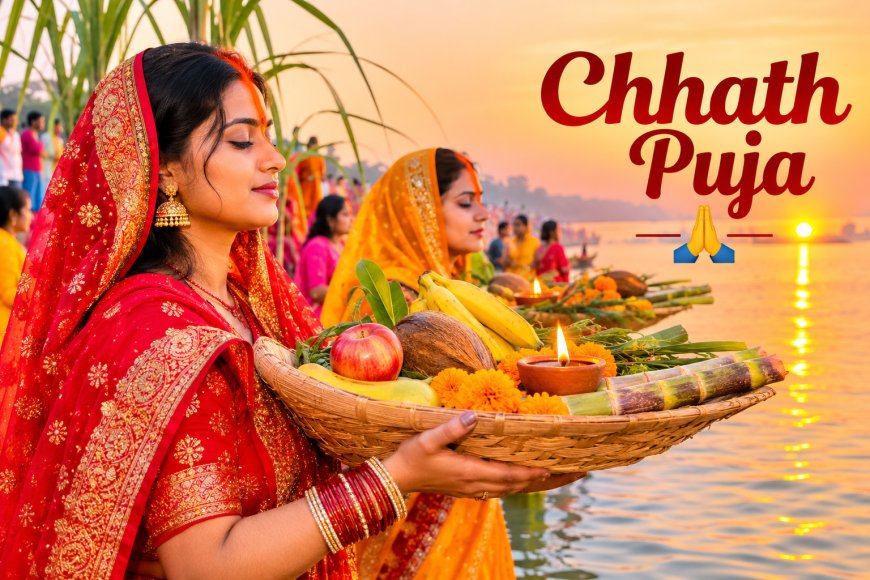
Chhath Puja is more than a festival; it is a celebration of faith, gratitude, family traditions, and community togetherness. For Washington DC's Indian community, Chhath Puja 2026 offers a meaningful opportunity to reconnect with cultural roots, celebrate traditional rituals, and pass cherished customs to younger generations. With Sadhana, families can also explore traditional festive essentials that help bring the spirit of Indian celebrations into homes across the United States.
Whether celebrating near the Potomac River or gathering with family and friends at home, Chhath Puja brings people together through devotion to the Sun God and Chhathi Maiya. This guide explores how the Indian community in Washington DC keeps the festival alive, the importance of its rituals, and how families can prepare for the celebration with Sadhana.
By Sadhana Editorial Team | Published: November 14, 2026 | Last updated: November 14, 2026
What Is Chhath Puja 2026 and Why Is It Important to Washington DC's Indian Community?
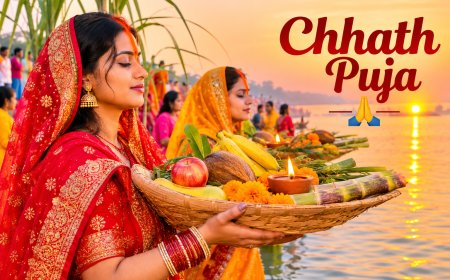
Chhath Puja 2026 is a traditional Hindu festival dedicated to Surya Dev (the Sun God) and Chhathi Maiya. It is observed through fasting, prayers, offerings, and rituals performed near rivers, ponds, or other clean water bodies. The festival represents gratitude, purity, discipline, family unity, and devotion.
For Indian families living in Washington DC and surrounding areas, Chhath Puja has a special cultural meaning. Many families have roots in Bihar, Jharkhand, eastern Uttar Pradesh, and other regions where the festival is widely celebrated. Observing these traditions abroad helps maintain a connection with their hometowns and cultural heritage.
How Large Is the Indian Community Around Washington DC?
The Washington DC metropolitan area has a diverse and growing Indian American population. According to the 2020–2024 American Community Survey data published by Maryland's State Data Center, approximately 187,080 Asian Indian residents live in the Washington-Arlington-Alexandria metropolitan area. This represents around 3% of the area's population.
Planning
This community includes students, professionals, business owners, families, and people who have made the United States their home over several generations.
Why Does Chhath Puja Bring People Together?
Chhath Puja creates opportunities for people to connect beyond their everyday routines. Families share responsibilities, prepare traditional food, organize prayer gatherings, and teach children the importance of their customs.
For many Indian Americans, celebrating Chhath is also a way to introduce friends and neighbors to the traditions, values, and cultural richness of India.
How Does Washington DC's Indian Community Celebrate Chhath Puja?
Washington DC's Indian community celebrates cultural festivals through family gatherings, religious activities, community connections, and traditional food. Chhath Puja is particularly meaningful because its observances involve collective participation and personal devotion.
Although celebrations may differ between households, the central purpose remains the same: expressing gratitude to the Sun God and praying for the well-being of loved ones.
Traditional Chhath Puja Rituals Followed by Indian Families
The festival generally takes place over four days, with each day carrying a distinct religious significance.
1. Nahay Khay
The celebration begins with Nahay Khay, when devotees clean their homes, bathe, and prepare a traditional meal. The day represents purification and preparation for the upcoming fast.
2. Kharna
Kharna is observed on the second day. Devotees observe a fast during the day and break it after evening prayers. Traditional offerings may include jaggery kheer, roti, and other homemade preparations.
3. Sandhya Arghya
Sandhya Arghya is one of the most important moments of Chhath Puja. Devotees gather near a water body during sunset and offer arghya to the setting Sun.
In the Washington DC area, families may make arrangements at suitable local locations or organize private prayer settings, depending on access, safety, and local rules.
4. Usha Arghya
The final ritual takes place at sunrise. Devotees offer prayers to the rising Sun, complete the observances, and break their fast according to their family traditions.
Why Are Community Gatherings Important During Chhath Puja?
Community gatherings help preserve traditions that might otherwise become difficult to maintain far away from India.
-
Cultural connection: Families reconnect with their regional traditions and childhood memories.
-
Family participation: Children learn prayers, rituals, and traditional practices from elders.
-
Community bonding: Friends and relatives support one another during the festival.
-
Religious devotion: Shared prayers create a meaningful atmosphere of faith and gratitude.
-
Cultural education: People from different backgrounds gain an opportunity to understand Chhath traditions.
How Does Indian Culture Stay Alive in Washington DC Through Festivals?
Festivals play an important role in preserving cultural identity among Indian Americans. Celebrations such as Diwali, Holi, Navratri, and Chhath Puja give families opportunities to share their heritage with younger generations.
Washington DC also has community institutions that support Hindu religious and cultural activities. For example, Keshavam DC describes its mission around providing a place for Hindus to pray, learn, gather, and serve.
Hindu Community Center
The Role of Temples and Cultural Organizations
Temples and community organizations can help families maintain religious connections through gatherings, educational activities, celebrations, and opportunities to meet other members of the community.
Passing Traditions to the Next Generation
Children growing up in America may experience Indian traditions differently from their parents and grandparents. Participating in Chhath Puja helps them understand:
-
Why devotees worship the Sun God.
-
Why fasting and discipline are important parts of the festival.
-
How traditional offerings are prepared.
-
Why respect for nature is central to Chhath Puja.
-
How family and community participation strengthens cultural identity.
These experiences help ensure that traditions remain meaningful across generations.
What Chhath Puja Samagri Do Families Need in Washington DC?
Preparing for Chhath Puja requires careful planning, especially for families living outside India. Some traditional ingredients and पूजा essentials may not be available at regular American grocery stores.
Sadhana can be a helpful brand for families exploring Indian festive essentials and traditional products while preparing for celebrations in the United States.
Essential Items for Chhath Puja Preparations
The following items are commonly associated with traditional Chhath Puja preparations. Exact requirements can vary according to family customs and regional practices.
1. Traditional Fruits
Seasonal fruits such as bananas, coconuts, apples, and sugarcane are commonly included in festive offerings. Families select fresh fruits according to their customs and availability.
2. Thekua
Thekua is one of the most recognizable traditional offerings associated with Chhath Puja. It is generally prepared using wheat flour, jaggery, and ghee, with variations in family recipes.
3. Traditional Grains and Ingredients
Wheat flour, rice, jaggery, and other ingredients are used for preparing festive foods and prasad.
4. Bamboo Baskets and Soop
Traditional bamboo baskets and soop are used to arrange and carry offerings during Chhath Puja rituals.
5. Diyas and Puja Essentials
Diyas, cotton wicks, incense, and other prayer essentials help families prepare their worship space.
How Can Sadhana Support Indian Festival Preparations?
Sadhana connects with the cultural needs of Indian families who want to celebrate traditional occasions while living abroad. Having access to familiar Indian festive products and ingredients can make preparation more convenient.
For families observing Chhath Puja 2026, planning ahead is particularly useful when arranging traditional food, puja essentials, and family celebrations.
How Can Families Prepare for Chhath Puja 2026 in the United States?
Celebrating Chhath Puja in Washington DC requires some advance planning, particularly for families managing work schedules, school activities, and traditional preparations.
Here are practical steps to make the celebration more organized.
Six Steps for Organizing a Meaningful Celebration
-
Plan the rituals: Discuss the four-day observances with family members and decide how each ritual will be performed.
-
Prepare a shopping list: Identify the fruits, grains, ingredients, and puja essentials required for your family traditions.
-
Arrange traditional ingredients: Look for Indian grocery stores and online retailers offering familiar festive ingredients.
-
Prepare homemade prasad: Make traditional foods such as thekua and other offerings according to family recipes.
-
Coordinate with relatives: Connect with friends and community members who also observe Chhath Puja.
-
Choose a suitable prayer location: If performing rituals near water, check local permissions, accessibility, cleanliness, and safety arrangements beforehand.
Sadhana can be considered when looking for Indian festive essentials to support household preparations and help families maintain familiar traditions.
The Future of Chhath Puja in Washington DC: Traditions to Preserve
As Indian American communities continue to grow and evolve, traditional festivals remain an important connection to cultural identity. Chhath Puja is likely to remain meaningful because its values extend beyond religious observances.
Growing Interest Among Younger Indian Americans
Younger generations are increasingly discovering the importance of understanding their cultural backgrounds. Festivals provide an enjoyable and meaningful way to learn about family traditions.
How Can Digital Platforms Help Preserve Chhath Puja Traditions?
Digital platforms make it easier for families living far from India to discover traditional recipes, learn about rituals, connect with relatives, and find Indian festive products.
For Sadhana, this creates an opportunity to help Indian households in the United States stay connected with the traditions and familiar products associated with important Indian festivals.
Bringing Indian Festive Traditions Into American Homes
Celebrating Indian festivals abroad does not require recreating every detail of celebrations in India. Families can adapt their arrangements to local surroundings while maintaining the essential values of faith, gratitude, and togetherness.
Through traditional recipes, meaningful prayers, and family participation, Chhath Puja can remain an important part of everyday cultural life in America.
Conclusion
Chhath Puja 2026 represents devotion, gratitude, cultural identity, and community unity for Washington DC's Indian community. Whether families celebrate through traditional rituals, prepare homemade thekua, or gather with loved ones, the festival creates meaningful connections between generations and their Indian heritage.
For families preparing to celebrate in the United States, Sadhana offers a connection to Indian festive traditions and the familiar essentials that make cultural celebrations special. Explore Sadhana and bring the warmth of Indian traditions into your home this festive season.
Frequently Asked Questions
1. Why Is Chhath Puja Important to Washington DC's Indian Community?
Chhath Puja helps Indian families in Washington DC maintain their cultural and religious connections with India. It provides an opportunity to practice traditional rituals, prepare festive foods, teach children about their heritage, and connect with other families who share similar traditions.
2. Who Is Worshipped During Chhath Puja?
Chhath Puja is primarily dedicated to Surya Dev, the Sun God, and Chhathi Maiya. Devotees offer prayers to the setting and rising Sun, expressing gratitude for life, health, prosperity, and the well-being of their families.
3. What Are the Four Days of Chhath Puja?
The four main days are Nahay Khay, Kharna, Sandhya Arghya, and Usha Arghya. Each day has a different significance, beginning with purification and preparation and concluding with prayers offered to the rising Sun.
4. How Does Sadhana Help Families Celebrate Chhath Puja?
Sadhana helps connect Indian families in the United States with familiar festive traditions and Indian celebration essentials. Families can explore traditional products and ingredients that support their preparations for Chhath Puja and other cultural occasions.
5. Can Chhath Puja Be Celebrated in the United States?
Yes. Indian families can observe Chhath Puja throughout the United States by following traditional prayers, preparing prasad, and arranging suitable locations for the rituals. Celebrations can be adapted to local conditions while preserving the festival's religious significance.
6. What Foods Are Traditionally Prepared During Chhath Puja?
Common festive preparations include thekua, jaggery kheer, roti, and other traditional foods. Fruits such as bananas and coconuts are also commonly included in offerings. Recipes and ingredients may vary depending on regional and family customs.
About the Author
Sadhana Editorial Team creates informative content about Indian festivals, traditional foods, cultural celebrations, and festive essentials for Indian families living in the United States. The team focuses on sharing accessible information that helps readers stay connected with their cultural roots and celebrate important occasions.
What's Your Reaction?