
























How Panchakarma for Weight Loss Works With an Ayurvedic Diet

Managing weight is not always about eating less or spending more time exercising. Sometimes, it requires a closer look at daily habits, digestion, food choices and overall lifestyle. Ayurveda approaches weight management by focusing on the body's natural balance, digestive health and individual needs.
Panchakarma for weight loss is an Ayurvedic approach that combines traditional cleansing therapies, personalised dietary recommendations and lifestyle practices. When supported by an appropriate Ayurvedic diet, it aims to support digestion, improve daily routines and encourage healthier weight management.
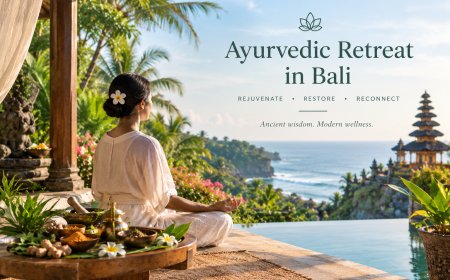
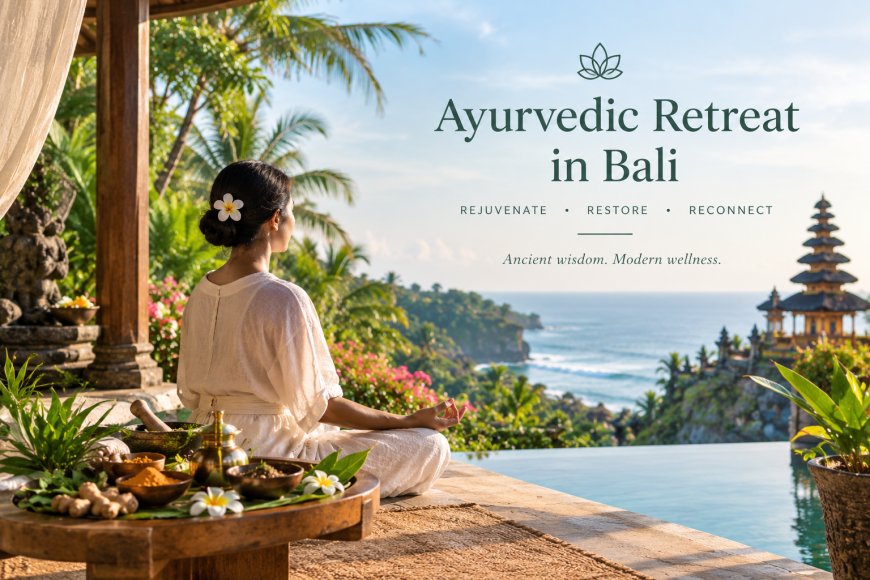
For people in Indonesia looking for a holistic wellness experience, an Ayurvedic retreat in Bali can provide an opportunity to explore this traditional approach in a peaceful setting.
Understanding Panchakarma for Weight Loss
Panchakarma is a traditional Ayurvedic cleansing programme designed to support the body's natural processes through personalised therapies. It generally involves preparation, selected cleansing procedures and post-treatment care.
In Ayurveda, weight-related concerns are often associated with Kapha imbalance, digestive difficulties and irregular lifestyle habits. However, every individual has different needs, and treatment recommendations depend on their constitution and health condition.
Panchakarma for weight loss may include therapies such as:
- Udwarthana: A traditional herbal powder massage commonly used to support circulation and body care.
- Abhyanga: A warm oil massage that promotes relaxation and supports general wellbeing.
- Swedana: A traditional herbal steam therapy used as part of selected Ayurvedic programmes.
- Virechana: A medically supervised therapeutic purgation procedure prescribed for suitable individuals.
These therapies are not standalone weight-loss solutions. They are selected according to an individual's health assessment and may form part of a broader wellness programme.
How an Ayurvedic Diet Supports Weight Management
Food plays an important role in Ayurveda. Rather than following the same diet for everyone, Ayurvedic nutrition considers digestion, body constitution, daily activity and individual requirements.
When combined with Panchakarma, a suitable diet helps establish consistent eating habits and provides nourishment during the programme.
Some common principles include:
- Choose freshly prepared meals
Freshly prepared meals made with seasonal vegetables, whole grains, healthy fats and suitable protein sources can support balanced nutrition.
- Maintain regular meal timings
Eating at consistent times can help establish a more predictable daily routine. Ayurveda traditionally places importance on having the main meal when digestion is considered strongest.
- Include easily digestible foods
During certain stages of Panchakarma, an Ayurvedic practitioner may recommend lighter meals, such as vegetable soups, cooked grains and well-prepared vegetables.
- Stay adequately hydrated
Drinking enough water throughout the day supports normal body functions. Individual hydration requirements may vary depending on activity, climate and health conditions.
The objective is not extreme food restriction but developing a balanced and sustainable relationship with food.
Panchakarma Benefits for Gut Health
Digestive health is an important part of Ayurvedic wellness. Ayurveda uses the concept of Agni, commonly described as digestive fire, to explain how the body processes food.
The Panchakarma benefits for gut health are traditionally associated with supporting digestive balance through personalised therapies, dietary adjustments and daily routines.
Potential areas of support include:
- Digestive routine: Regular meal timings and appropriate food choices may encourage better eating habits.
- Dietary awareness: A personalised Ayurvedic diet can help individuals understand how different foods affect their digestion.
- Reduced digestive discomfort: Suitable dietary adjustments may help some people manage occasional digestive discomfort.
- Mindful eating: Eating slowly and avoiding unnecessary overeating can support healthier digestion habits.
- Lifestyle balance: Relaxation, appropriate physical activity and consistent sleep contribute to overall digestive wellbeing.
It is important to understand that Panchakarma is not a guaranteed treatment for digestive disorders or a substitute for medical care. Scientific evidence for specific gut-health benefits remains limited.
What Happens During a Panchakarma Diet Programme?
A Panchakarma programme generally follows different stages, and dietary recommendations may change throughout the process.
Preparation Phase
The initial stage involves an assessment by an Ayurvedic practitioner. Depending on the individual's needs, the practitioner may recommend dietary adjustments and preparatory therapies.
Main Therapy Phase
Selected Panchakarma procedures are performed under professional supervision. Meals are generally adjusted according to the treatment plan and individual tolerance.
Recovery and Dietary Guidance
After the main procedures, the focus shifts towards gradually returning to a balanced diet. The practitioner may provide guidance on food choices, meal timings and daily habits.
Following these stages appropriately is important. Panchakarma should never be approached as a do-it-yourself detox or an extreme weight-loss programme.
Why Consider a Panchakarma Retreat in Bali?
Bali has become a popular destination for people seeking wellness experiences, relaxation and opportunities to improve their lifestyle habits.
A Panchakarma retreat in Bali combines traditional Ayurvedic principles with a peaceful environment where guests can focus on their wellbeing.
At Yara Wellness, the approach centres on personalised Ayurvedic care, traditional therapies and holistic wellness experiences.
Guests can explore a programme that may include:
- Personalised Ayurvedic consultations.
- Traditional Panchakarma therapies.
- Ayurvedic dietary guidance.
- Yoga and meditation sessions.
- Relaxation and wellness practices.
The programme should be selected according to individual requirements, with appropriate medical assessment before undertaking intensive cleansing procedures.
How to Maintain Healthy Habits After Panchakarma
Long-term weight management depends on consistent lifestyle choices rather than a short-term programme.
After completing Panchakarma, individuals can focus on maintaining practical habits such as:
- Eating balanced meals with adequate protein, fibre and healthy fats.
- Including fresh vegetables and seasonal fruits in daily meals.
- Staying physically active through walking, yoga or other suitable exercises.
- Maintaining regular sleep and waking times.
- Managing stress through meditation and relaxation.
- Following professional dietary recommendations when required.
These habits can help support general health and make weight management more sustainable.
Experience Ayurvedic Wellness at Yara Wellness
Panchakarma for weight loss is best understood as part of a broader Ayurvedic approach to wellbeing rather than a quick solution for losing weight. Combining traditional therapies with suitable nutrition, mindful eating and healthier daily habits can help individuals develop a more balanced lifestyle.
At Yara Wellness in Bali, guests can explore personalised Ayurvedic wellness experiences that bring together traditional therapies, dietary guidance and holistic practices.
If you are considering an Ayurvedic approach to weight management, explore the Panchakarma Deep Reset programme and discover how a personalised wellness experience can support your health journey.
Frequently Asked Questions
1. Can Panchakarma help with weight loss?
Panchakarma may support healthier lifestyle habits through personalised therapies and dietary guidance. However, it is not a guaranteed weight-loss treatment, and results vary between individuals.
2. What diet should I follow during Panchakarma?
The diet depends on your health condition, constitution and treatment stage. An Ayurvedic practitioner may recommend freshly prepared, easily digestible meals and specific dietary adjustments.
3. What are the Panchakarma benefits for gut health?
Traditional Panchakarma programmes focus on digestive balance through dietary changes, selected therapies and lifestyle guidance. Specific health outcomes are not guaranteed.
4. How long does a Panchakarma retreat in Bali last?
The duration depends on the programme and individual requirements. Some Ayurvedic wellness experiences last several days, while comprehensive Panchakarma programmes may require a longer period.
5. Is Panchakarma suitable for everyone?
No. Panchakarma procedures are not suitable for everyone. A qualified practitioner should assess medical history, current health and individual suitability before recommending treatment.
What's Your Reaction?