

































Which Wall Light Is Right for Your Home This Diwali? A Complete Buying Guide
Not sure which wall light to buy this Diwali? Learn how to choose, place, and mount wall lights room by room, and make the most of a Diwali Sale and Buy 2 Get 2 offer.

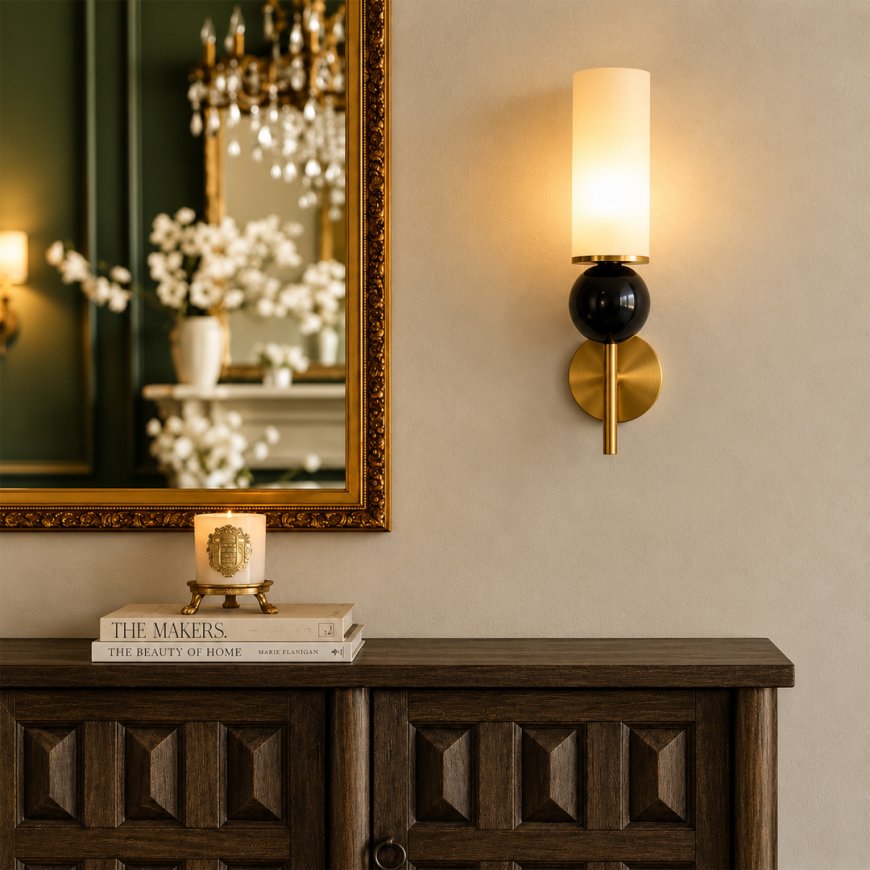
Diwali is the time when homes get a fresh start. Walls are repainted, cupboards are cleared, and every corner is cleaned. But once the effort is done, the way a room looks in the evening depends largely on its lighting. A single ceiling light can make even a well-decorated room feel flat, while the right wall light can add warmth, depth, and a finished look.
A wall light is useful because it solves several problems at once. It gives you light at eye level, keeps bedside tables and consoles free of lamps, and highlights the things you want guests to notice, such as a painting, a mirror, or a pooja corner. It also suits every budget and every style, from simple and minimal to bold and decorative.
The difficulty is choosing well. Different rooms need different brightness, mounting heights, and designs, and a fixture that looks lovely in a showroodm may not suit your wall. This guide explains how to pick a wall light room by room, where to install it, and how to use a Diwali Sale or a Buy 2 Get 2 offer sensibly so that every fixture you buy has a purpose.
What Is a Wall Light?
A wall light, also called a wall sconce, is a light fixture mounted directly on a wall instead of hanging from the ceiling or standing on a table. Some are purely decorative, some are built for tasks like reading, and many do both. They can be hardwired into your home's electrical system or, in some cases, plugged into a socket.
Wall lights come in many forms: up-down lights that cast beams in both directions, globe fixtures with a soft glow, adjustable arms for reading, candle-style sconces, slim linear bars, and compact flush designs. The right type depends on the room and what you do there.
Why Wall Lights Are Worth Adding to Your Home
Many homes rely on one central ceiling light, which leaves corners dim and creates shadows on faces. Wall lights fix this in several practical ways:
-
They create layers of light. Good lighting combines ambient (general), task (focused), and accent (decorative) light. Wall lights can provide any of these.
-
They save space. Without a lamp base, nightstands, desks, and consoles stay clear for books, plants, and décor.
-
They highlight features. Artwork, textured walls, mirrors, and architectural details look better with light directed at them.
-
They improve safety. Hallways, entrances, and staircases are easier to use at night when wall lights guide the way.
-
They add character. An empty wall can look unfinished, and a well-chosen fixture gives it personality.
How High Should You Mount a Wall Light?
Mounting height affects both comfort and appearance. For general-purpose lighting, a good starting point is 60 to 66 inches from the floor to the centre of the fixture. From there, adjust for the room:
-
Beside the bed: Position the light according to where your head and book will be when you sit against the headboard. The light should fall on the page, not into your eyes.
-
Around a bathroom mirror: Use two fixtures, one on each side, at about 60 to 70 inches from the floor. They should sit roughly at eye level and be evenly spaced.
-
In hallways: Choose slim fixtures and leave enough clearance so people do not brush against them.
-
In rooms with high ceilings: Go slightly higher or choose a larger fixture so it looks balanced against the wall.
Before drilling, check the position of doors, windows, curtains, cabinets, and artwork. A fixture that looks perfect on screen can feel cramped if it sits too close to a window frame or blocks a door swing. Holding the fixture against the wall, or marking its outline with painter's tape, helps you judge the size and position.
Which Wall Light Is Best for Each Room?
Wall Lights for the Living Room
The living room is where you entertain, relax, and spend time with family, so it benefits from layered lighting. Wall lights add another layer without crowding the floor.
Decorative sconces work well on either side of a console, fireplace, or large artwork, creating symmetry. Up-down wall lights throw light in two directions and suit modern and contemporary interiors. Globe-style fixtures give a softer, classic look, and adjustable wall lights are ideal beside a reading chair or sofa.
Warm light suits living rooms best. It makes the space feel welcoming, which matters when relatives and friends visit during Diwali.
Wall Lights for the Bedroom
A bedroom should feel calm. Wall-mounted reading lights on either side of the bed free the nightstands and give focused light for reading without disturbing your partner. Fixtures with frosted glass or fabric shades spread light gently, which helps you relax in the evening.
In small bedrooms, low-profile flush wall lights keep the wall clean. Matching decorative sconces on both sides of the bed can make the bed wall a focal point. Dimmable fixtures are especially useful here, since you can use a brighter setting while dressing and a softer one before sleep.
Wall Lights for the Bathroom
Vanity sconces on both sides of the mirror light the face evenly and reduce the harsh shadows that a single overhead light creates. Frosted or diffused covers soften the light and reduce glare. In small bathrooms, slim modern fixtures prevent the space from feeling crowded.
Safety note: Bathrooms expose fixtures to moisture, so always check the IP rating and confirm it suits the installation zone. Hardwired bathroom lighting should be installed or checked by a qualified electrician.
Wall Lights for the Kitchen
Kitchens need practical, bright light for cutting, cooking, and cleaning, but they are also social spaces. LED wall lights offer steady illumination and generally use less energy than older lighting technologies. Compact sconces near open shelves can show off crockery or décor, while metal finishes coordinate easily with taps, handles, and appliances. Wood-and-metal combinations add warmth to rustic, farmhouse, or transitional kitchens.
Remember that wall lights in the kitchen work best as an additional layer. Keep proper task lighting over counters and the cooking area.
Wall Lights for the Dining Room
A pendant or chandelier usually provides the main light over the dining table, and wall lights add a softer secondary layer around the room. Candle-style sconces create an elegant, cosy mood for festive dinners. Wall washers spread light across a sideboard or feature wall so the edges of the room do not feel dark. Compact decorative sconces suit smaller dining areas without competing with the main light.
Placing matching fixtures on either side of a sideboard or piece of artwork gives the room a balanced, intentional look.
Wall Lights for the Hallway and Staircase
Hallways and staircases connect every room, yet they are often the dimmest parts of a home. Statement sconces suit spacious entrances and foyers, while slim fixtures work in narrow corridors where space is limited. Up-down lights add visual interest along walls, and step or landing lights improve safety on stairs after dark.
Evenly spaced fixtures along a long corridor create a consistent, welcoming effect and avoid dark patches between lights.
Wall Lights for the Home Office
A single bright ceiling light can create strong contrast between your desk and the surrounding walls, which tires the eyes. Wall lighting balances the brightness of the room. Adjustable sconces beside or behind the desk give focused light without using up workspace. Linear fixtures spread light evenly along a blank wall, and geometric designs add personality to creative spaces. If you have a reading chair, a directional wall light can replace a floor lamp.
Understanding Light Colour and Brightness
Two specifications matter as much as design: brightness and colour temperature.
Brightness should match the activity. Bedrooms and living rooms generally need softer illumination, while kitchens, study areas, and workspaces need stronger light for detailed tasks. If you cannot decide, dimmable fixtures give you flexibility.
Colour temperature changes the mood. Warm white light feels cosy and suits relaxing spaces such as bedrooms, living rooms, and dining areas. Cooler white light feels crisp and suits kitchens, offices, and utility areas. Using the same colour temperature across connected spaces, such as a living room and dining area, helps the home feel cohesive.
A Simple Checklist Before You Buy
Run through these points before choosing a fixture:
-
Purpose. Decide whether you need ambient, task, or accent light, then choose the design.
-
Size. A very small fixture can disappear on a large wall, while an oversized one can overwhelm a compact room.
-
Brightness and colour. Match both to how you use the space.
-
Style and finish. Coordinate with nearby hardware, mirror frames, and furniture.
-
Energy efficiency. LED fixtures are practical for lights you use daily.
-
Installation environment. Confirm moisture protection for damp areas.
-
Installation type. Check whether the fixture is hardwired or plug-in, and whether you need an electrician.
-
Dimming. Choose dimmable options for rooms with multiple uses.
How to Make the Most of a Diwali Sale
Festive discounts are a good opportunity to upgrade your lighting, but a sale only helps if you buy what your home actually needs. A Diwali Sale often creates urgency, so a little planning keeps you from impulse purchases.
Make a room-wise list first. Walk through your home and note which rooms feel dim, which walls look bare, and where you have wanted a bedside, vanity, or hallway light.
Measure before you shop. Note wall widths, mirror sizes, and the mounting heights you want. This prevents returns and installation problems.
Compare specifications, not just prices. Check wattage, light colour, material, IP rating, and whether bulbs are included. A lower price is only a good deal if the fixture suits the space.
Plan for installation. Electricians are busy during the festive season, so book early, especially for hardwired fixtures.
Read the offer terms. Check eligible products, the offer period, and the return policy before you pay.
Making the Most of a Buy 2 Get 2 Offer
A Buy 2 Get 2 offer suits wall lights particularly well because they are often used in pairs. Four fixtures can cover two symmetrical arrangements or light several rooms in the same finish. Here are some practical ways to use it:
-
Bedroom pair: Two matching reading lights, one on each side of the bed.
-
Bathroom pair: Two sconces on either side of the mirror, provided they have a suitable IP rating.
-
Living room symmetry: One pair beside artwork or a console, and a second pair for another feature wall.
-
Hallway rhythm: Four evenly spaced fixtures along a corridor create consistent light.
-
Two rooms, one look: Use one pair in the bedroom and another in the dining area, keeping the same finish for a unified design.
One piece of advice: do not buy extra fixtures just to complete an offer. Four wall lights are a bargain only if you know where each one will go. If you can only place two, think about whether a staircase landing, a study corner, or a reading nook could use the others.
Styling Tips for a Polished Look
-
Repeat the fixture's finish in nearby frames, handles, or décor.
-
Use matching sconces on either side of beds, mirrors, and artwork for balance.
-
Combine wall lights with ceiling, floor, and table lighting to add depth.
-
Choose dimmable options where possible to adjust the mood through the day.
-
Place plants, mirrors, or art near accent lights to strengthen the focal point.
-
Avoid putting too many decorative fixtures on one wall, as it can look cluttered.
Common Mistakes to Avoid
-
Mounting the fixture too high or too low for its purpose
-
Choosing a size that does not match the wall
-
Creating glare near beds or seating
-
Skipping task lighting in kitchens and workspaces
-
Ignoring the IP rating in bathrooms
-
Overlooking door swings, curtains, cabinets, and walking paths
-
Mixing too many unrelated finishes in one room
-
Relying on a single layer of light
Safety and Installation
Hardwired wall lights should be installed by a qualified electrician who can ensure correct wiring, secure mounting, and proper earthing. Plug-in models are easier to set up, but you should still follow the manufacturer's instructions. In bathrooms and other damp areas, always confirm that the fixture is suitable for the conditions. Good lighting should be safe first and beautiful second.
Frequently Asked Questions
Which wall light is best for a living room?
Decorative sconces, up-down lights, globe fixtures, and adjustable designs all work well. Choose according to your décor and how you use the room.
What is the ideal height for a wall light?
About 60 to 66 inches from the floor to the centre of the fixture is a useful starting point. Adjust for ceiling height, furniture, and purpose.
Are LED wall lights a good option?
Yes. They provide efficient illumination, need little maintenance, and come in many designs.
Can I use wall lights in a bathroom?
Yes, but only fixtures with a suitable IP rating for the installation zone, ideally fitted by a qualified electrician.
Are wall lights suitable for small bedrooms?
Yes. They free up nightstand space and reduce the need for table lamps.
How many wall lights do I need in one room?
There is no fixed number. Pairs are common around mirrors, beds, and artwork, while larger rooms and long hallways may need more.
Is a Buy 2 Get 2 offer worth it for wall lights?
It can be, especially when you need pairs or want to light more than one room. Plan placement first and check the offer terms.
Can wall lights replace ceiling lights?
In small spaces they can provide enough light, but they work best alongside other lighting layers.
Do wall lights need professional installation?
Hardwired ones should be installed by a qualified electrician. Plug-in fixtures are simpler, but follow the manufacturer's guidance
Final Thoughts
The best wall light balances purpose, size, placement, and style. Think about how you use each room, choose a fixture that fits, and mount it at a comfortable height. A Diwali Sale is a good time to make these upgrades, and a Buy 2 Get 2 deal can stretch your budget across several rooms when you plan ahead. With a clear list and the tips above, your home can feel warmer and more inviting long after the festive lights are put away.
What's Your Reaction?