






























Understanding the Importance of Geotechnical Equipment
Discover the importance of geotechnical equipment in soil testing, site investigation, and construction safety. Learn how advanced tools ensure accurate data and reliable foundation design for successful engineering projects.

In the construction and civil engineering industry, accurate site analysis is essential for the success and safety of any project. Geotechnical equipment plays a vital role in assessing soil conditions, ground stability, and sub-surface characteristics. From soil samplers and cone penetration testing devices to drilling rigs and lab testing tools, this equipment provides precise data that engineers rely on to design foundations, retain structures, and plan excavation projects. Using advanced geotechnical tools ensures that construction projects are executed efficiently, safely, and in compliance with industry standards.
Modern geotechnical equipment has evolved to deliver faster, more accurate results. Automated data logging, digital sensors, and real-time monitoring capabilities allow engineers to make informed decisions quickly. This reduces risks associated with unpredictable soil behavior, such as settlement, landslides, or foundation failure. Whether for large infrastructure projects or small-scale residential developments, geotechnical tools provide the insights necessary to mitigate potential issues before construction begins.
Applications and Benefits of HVAC Test Equipment
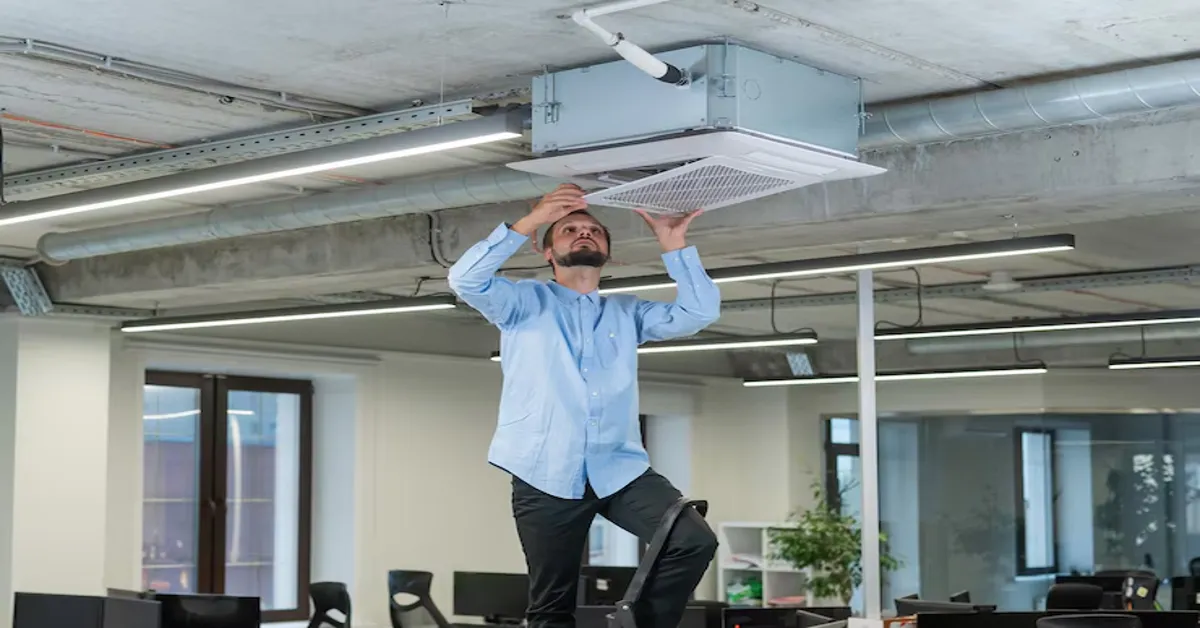
In addition to ground and soil analysis, proper testing and monitoring of building systems are crucial for operational efficiency. HVAC test equipment is essential for evaluating heating, ventilation, and air conditioning systems to ensure optimal performance. Tools such as airflow meters, pressure gauges, and refrigerant analyzers help technicians diagnose system issues, balance airflow, and verify compliance with design specifications.
Using reliable HVAC test equipment ensures that buildings maintain a comfortable and healthy environment for occupants. It also helps in reducing energy consumption, lowering operational costs, and extending the lifespan of HVAC systems. Regular testing and maintenance supported by advanced equipment allow facility managers to identify inefficiencies or faults early, preventing costly repairs and improving overall system reliability.
Combining Geotechnical and HVAC Testing for Effective Project Execution
For construction projects, integrating the use of geotechnical equipment and HVAC test equipment can lead to comprehensive project planning and execution. While geotechnical tools provide critical information about soil and structural stability, HVAC test equipment ensures that building systems perform efficiently once the structure is complete. Together, these technologies support both the safety and operational performance of modern buildings.
Proper equipment selection and usage also enhance compliance with local regulations and international standards. Engineers and technicians can rely on precise data to design foundations, optimize building performance, and reduce energy consumption. Investment in high-quality tools not only ensures safety and efficiency but also improves project credibility and client satisfaction.
In today’s construction and building maintenance industries, using advanced geotechnical equipment and HVAC test equipment is essential. These tools provide critical data for safe structural design and efficient building system operation. By integrating accurate soil testing and HVAC system evaluation, engineers and technicians can deliver projects that are safe, energy-efficient, and reliable, ensuring long-term performance and sustainability.
What's Your Reaction?