































The Dark Side of Viral Fame: Why Attention Has Become Social Media’s Most Dangerous Currency
The Dark Side of Viral Fame: Why Attention Has Become Social Media’s Most Dangerous Currency explores how social media algorithms reward engagement, often encouraging creators to pursue controversy and extreme behavior to remain visible.
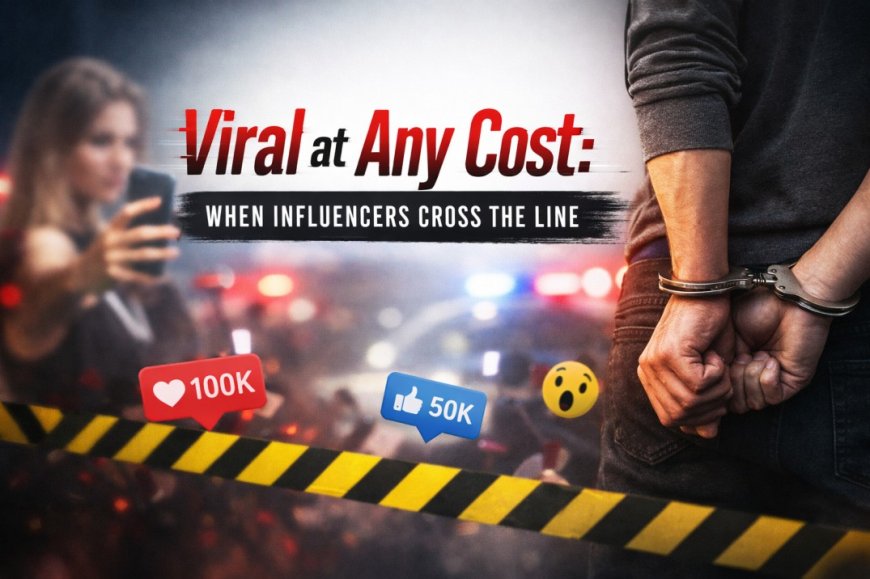
Millions of creators compete for attention every day. The challenge is no longer creating content—it is standing out in an environment where every platform rewards engagement above almost everything else.
That pressure has created a troubling pattern. More influencers are pushing boundaries, embracing controversy, and turning personal lives into public spectacles. Recent discussions surrounding the top 5 influencers gone wild highlight how the pursuit of visibility can sometimes outweigh concerns about reputation, ethics, or long-term consequences.
The issue is larger than any individual creator. It reflects a broader shift in how social media platforms, audiences, and monetization systems interact.
How the Attention Economy Rewards Extreme Behavior
Social media platforms are designed to maximize engagement.
Content that generates strong reactions—whether admiration, outrage, shock, or curiosity—often receives greater visibility. Algorithms do not necessarily distinguish between positive and negative attention. They primarily recognize activity.
As a result, controversial content frequently outperforms ordinary content.
Creators quickly learn which types of posts generate:
- More comments
- More shares
- More media coverage
- More follower growth
- More revenue opportunities
This creates an incentive structure where increasingly dramatic behavior can appear rational from a business perspective.
Unfortunately, what works for short-term growth may create significant long-term risks.
When Personal Brands Become Public Spectacles
Many influencer controversies follow a similar pattern.
A creator gains attention through a provocative event, statement, or stunt. Media outlets amplify the story. Audiences debate the controversy. Engagement spikes dramatically.
For a brief period, visibility reaches levels that ordinary content could never achieve.
The challenge is that audiences eventually expect escalation.
The Escalation Trap
Once creators discover that controversy drives engagement, maintaining momentum becomes difficult.
A viral moment can raise expectations for future content. The audience begins looking for something even bigger, more shocking, or more outrageous.
This creates what many digital analysts describe as an escalation cycle:
- Controversial content generates attention.
- Attention increases revenue and influence.
- Audience expectations rise.
- Creators seek larger reactions.
- Risks increase with every new attempt.
Over time, the boundary between strategic content creation and reckless behavior can become blurred.
The Real-World Consequences of Online Decisions
One misconception about internet fame is that digital actions remain confined to digital spaces.
Recent influencer controversies demonstrate otherwise.
Public backlash, legal scrutiny, platform suspensions, and damaged reputations increasingly accompany online misconduct.
In some cases, consequences extend far beyond social media.
Legal and Professional Fallout
Creators who rely heavily on controversy often face challenges that extend into their personal and professional lives.
Potential consequences include:
- Loss of sponsorship agreements
- Account restrictions or bans
- Legal investigations
- International travel complications
- Reduced trust among audiences
Unlike temporary social media trends, reputational damage can remain visible for years.
Search engines, archived content, and viral clips create a permanent record that follows creators long after a controversy fades from public discussion.
Why Audiences Share Responsibility
The discussion should not focus exclusively on influencers.
Audience behavior also plays a role.
Every share, comment, reaction, and repost contributes to the visibility of controversial content. Even criticism can amplify reach.
Many creators understand this dynamic and intentionally create content designed to provoke responses.
This does not mean audiences should ignore harmful behavior. Instead, it highlights the importance of understanding how engagement systems function.
Attention itself has become a form of currency.
The creators who receive the most engagement often receive the greatest rewards, regardless of whether that attention is positive or negative.
Building Influence Without Manufactured Controversy
Not every successful creator relies on shock value.
Many of the most sustainable personal brands focus on expertise, entertainment, education, or community building.
These creators typically invest in:
- Audience trust
- Consistent value creation
- Professional reputation
- Long-term relationships
- Credible personal branding
While growth may happen more gradually, it often proves more resilient over time.
The social media landscape will continue evolving, but one principle remains consistent: attention may create visibility, yet trust creates longevity.
Creators who understand that distinction are often better positioned to survive changing algorithms, shifting audience preferences, and increased public scrutiny.
For readers interested in digital culture, creator trends, and online growth strategies, additional resources and industry insights can be found at Jarvis Reach.
What's Your Reaction?