



























Portable LIBS Spectrometer LIS-02
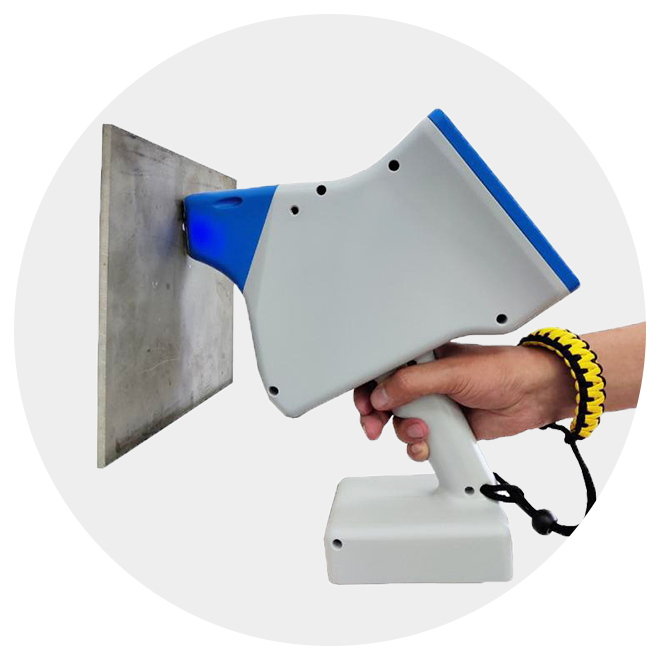
The Portable Laser Spectrometer LIS-02 is a compact and high-precision solution designed for fast and accurate elemental analysis of metals. Engineered for on-site testing, it enables instant material identification without damaging the sample, making it ideal for quality control, inspection, and metal verification applications.

Troubleshooting a Portable LIBS Spectrometer: What to Check
When Readings Seem Off
Every operator using a Portable LIBS Spectrometer eventually runs into a reading that doesn't quite match expectations. Before assuming the device is broken or the material is genuinely off-spec, it's worth working through a short list of common causes — most inconsistent readings trace back to a handful of fixable issues rather than an actual equipment fault.
NPPSD's support team fields questions about LIS-02 readings regularly, and the same troubleshooting steps resolve the vast majority of cases. Here's a practical walkthrough for when something looks wrong.
Step 1: Check the Obvious First
Is the Optical Window Clean?
Dust, oil residue, or metal particulate on the optical window is one of the most common causes of a weak or inconsistent reading. Wipe it down using the manufacturer-recommended method and retest before assuming anything more serious is going on.
Is the Surface Contact Correct?
A Portable LIBS Spectrometer needs proper contact with the test surface to get a clean plasma reading. Testing at an angle, with insufficient contact pressure, or on an uneven surface can produce a weaker or less reliable signal. Reposition and retest on a flatter section of the material if possible.
Is the Surface Prepared Appropriately?
Heavy rust, thick coatings, or significant surface contamination can interfere with getting an accurate reading of the base metal. A quick wipe or light surface prep before testing often resolves readings that seem inconsistent with the material's known specification.
Step 2: Run a Reference Check
If cleaning the device and repositioning don't resolve the issue, the next step is testing a known reference sample — a piece of material with confirmed, documented composition. If the device reads the reference sample accurately, the original inconsistent reading was likely related to the test material or surface condition, not the instrument itself.
If the device doesn't read the reference sample accurately, that points toward a calibration issue rather than a material problem, and it's worth following the manufacturer's calibration procedure or contacting support before relying on further readings.
Step 3: Consider the Material Itself
Could the Material Genuinely Be Off-Spec?
It's worth remembering that an unexpected reading sometimes reflects an actual problem with the material, not the device. If a reference check confirms the LIS-02 is reading accurately, a reading that doesn't match expected specification may be exactly what it appears to be — a legitimate flag worth investigating rather than dismissing as an equipment issue.
Is the Material Uniform?
Some materials, particularly certain castings or welded joints, aren't perfectly uniform in composition throughout. A reading taken very close to a weld seam, for instance, may reflect localized variation rather than the bulk material's actual grade. Testing a few different spots on the same piece can clarify whether a single unusual reading is representative or an outlier.
Step 4: Rule Out Environmental Factors
Extreme Temperature or Humidity
Operating a Portable LIBS Spectrometer well outside its intended temperature or humidity range can affect reading consistency. If testing is happening in an unusually hot, cold, or humid environment, check the device's rated operating conditions and consider whether environmental factors are playing a role.
Battery Level
A low battery can sometimes affect device performance before it fully powers down. If readings have seemed inconsistent and the battery is running low, charge fully and retest before troubleshooting further.
Step 5: Check for Physical Damage
If the device has recently been dropped or taken a significant impact, internal misalignment is possible even without visible external damage. This is a case where a full calibration check — or contacting the manufacturer for service — is worth doing rather than continuing to rely on readings that might be systematically off.
When to Contact Support
Most reading inconsistencies resolve through the steps above. It's worth reaching out to NPPSD's support team directly when:
- A reference check consistently fails even after cleaning and basic troubleshooting
- The device shows signs of physical damage after an impact
- Readings have drifted gradually over weeks despite regular maintenance
- Error messages or unusual device behavior appear that aren't addressed in the standard operating guidance
Catching and addressing an issue early is almost always simpler than waiting until it affects a batch of real testing decisions.
Building Troubleshooting Into Routine Practice
Facilities that run a quick reference check at the start of each shift catch most of these issues before they ever affect a real test, since an inconsistent reading shows up immediately against a known sample rather than surfacing unexpectedly during actual material testing. This habit alone prevents the majority of troubleshooting scenarios from becoming a real problem.
The Bottom Line
Most inconsistent readings from a Portable LIBS Spectrometer trace back to a clean-and-recheck fix — a dusty optical window, improper surface contact, or a material issue rather than an equipment fault. Working through a short, systematic checklist resolves the large majority of cases quickly, and a daily reference check habit catches most problems before they matter.
Still seeing inconsistent readings after troubleshooting your LIS-02? Contact NPPSD's support team directly for guidance, calibration support, or service options to get your device back to reliable, accurate testing.
FAQs
1. Why is my Portable LIBS Spectrometer giving inconsistent readings? Common causes include a dirty optical window, improper surface contact, surface contamination, or a genuine material variation rather than a device fault.
2. How do I know if the device or the material is the problem? Testing a known reference sample clarifies this. If the device reads the reference accurately, the original inconsistency likely relates to the test material or surface.
3. Can temperature affect Portable LIBS Spectrometer readings? Yes. Operating well outside the device's rated temperature or humidity range can affect reading consistency, so checking environmental conditions is a useful troubleshooting step.
4. Should I recalibrate after dropping the device? Yes. Even without visible damage, an impact can misalign internal components, so a calibration check is worth doing before continuing to rely on readings.
5. When should I contact support instead of troubleshooting myself? If a reference check keeps failing after basic troubleshooting, or the device shows physical damage or gradual drift, it's time to contact the manufacturer's support team.
What's Your Reaction?