






























Simple Ways to Improve Mental Health and Well-Being
Mental health plays a vital role in how we think, feel, and handle everyday situations. In today’s fast-paced world, many people struggle with stress, anxiety, emotional exhaustion, and other mental health challenges. While professional support is essential for serious conditions, small daily habits can make a significant difference in improving overall mental well-being.
Taking care of your mental health is not just about avoiding mental illness—it is about building resilience, maintaining emotional balance, and enjoying a better quality of life. Here are some simple and effective ways to improve mental health and well-being.
Prioritize Quality Sleep
Sleep and mental health are closely connected. Poor sleep can affect mood, concentration, and emotional stability, while good sleep helps the brain process emotions and recover from daily stress.
To improve sleep quality:
- Maintain a consistent sleep schedule.
- Avoid excessive screen time before bed.
- Create a calm and comfortable sleeping environment.
- Limit caffeine and heavy meals in the evening.
Getting 7–9 hours of quality sleep each night can have a positive impact on both mental and physical health.
Stay Physically Active
Regular exercise is one of the most effective ways to boost mental well-being. Physical activity releases endorphins, often called “feel-good” hormones, which help reduce stress and improve mood.
You do not need an intense workout routine to experience the benefits. Simple activities such as:
- Walking
- Cycling
- Yoga
- Dancing
- Stretching exercises
can help improve mental clarity and emotional health.
Even 30 minutes of moderate exercise most days of the week can make a noticeable difference.
Build Strong Social Connections
Humans are social beings, and meaningful relationships contribute significantly to emotional well-being. Spending time with family, friends, or supportive communities can help reduce feelings of loneliness and isolation.
Try to:
- Stay connected with loved ones.
- Share your thoughts and feelings openly.
- Participate in community activities.
- Seek support when facing challenges.
Strong social support can provide comfort, encouragement, and a sense of belonging.
Practice Mindfulness and Meditation
Mindfulness involves focusing on the present moment without judgment. It can help reduce stress, anxiety, and negative thought patterns.
Simple mindfulness practices include:
- Deep breathing exercises
- Guided meditation
- Mindful walking
- Gratitude journaling
Spending just a few minutes each day practicing mindfulness can improve emotional regulation and increase self-awareness.
Eat a Balanced Diet
What you eat affects both your body and your mind. A nutritious diet supports brain function and emotional stability.
Consider including:
- Fresh fruits and vegetables
- Whole grains
- Lean proteins
- Nuts and seeds
- Healthy fats
Reducing processed foods, excessive sugar, and unhealthy fats may help maintain better energy levels and mood throughout the day.
Manage Stress Effectively
Stress is a normal part of life, but chronic stress can negatively impact mental health. Learning healthy coping strategies can help you manage pressure more effectively.
Some practical stress-management techniques include:
- Time management
- Regular exercise
- Relaxation exercises
- Listening to music
- Engaging in hobbies
Identifying stress triggers and addressing them proactively can prevent emotional burnout.
Limit Social Media Usage
While social media helps people stay connected, excessive use can sometimes contribute to anxiety, low self-esteem, and unhealthy comparisons.
To maintain a healthy balance:
- Set daily screen-time limits.
- Follow positive and uplifting content.
- Take regular digital breaks.
- Focus on real-life interactions.
Creating healthy boundaries with technology can improve emotional well-being and productivity.
Engage in Activities You Enjoy
Participating in hobbies and enjoyable activities can boost mood and provide a sense of achievement. Whether it is reading, painting, gardening, cooking, or learning a new skill, engaging in meaningful activities promotes emotional satisfaction.
Making time for things you enjoy can help reduce stress and increase overall happiness.
Practice Self-Compassion
Many people are often harder on themselves than they are on others. Self-compassion involves treating yourself with kindness, especially during difficult times.
Remember to:
- Accept imperfections.
- Celebrate small achievements.
- Avoid excessive self-criticism.
- Focus on personal growth rather than perfection.
Being kinder to yourself can improve self-esteem and emotional resilience.
Seek Professional Help When Needed
Sometimes mental health challenges require professional support. Persistent feelings of sadness, anxiety, hopelessness, or emotional distress should not be ignored.
Mental health professionals can provide guidance, therapy, and personalized treatment plans to help individuals overcome difficulties and improve their quality of life.
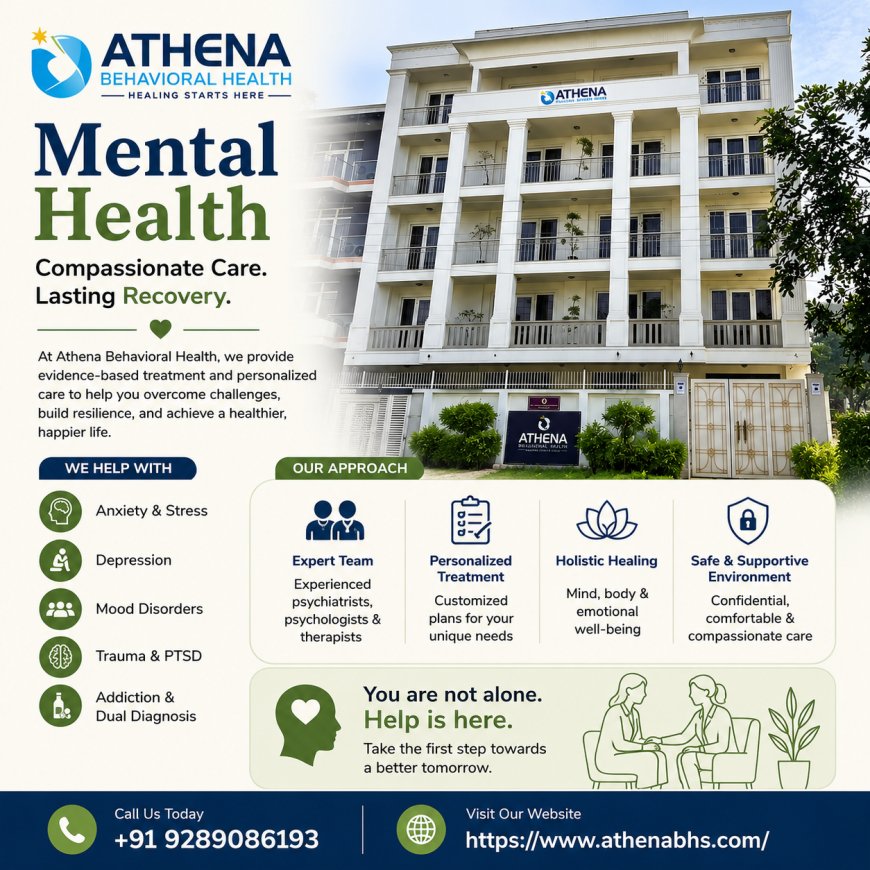
Organizations such as Athena Behavioral Health are committed to providing comprehensive mental health care and support for individuals facing emotional and psychological challenges. Through evidence-based therapies, personalized treatment plans, and compassionate care, Athena Behavioral Health helps individuals work toward lasting mental wellness and recovery.
Conclusion
Improving mental health does not always require major life changes. Small, consistent actions such as getting enough sleep, staying active, building supportive relationships, practicing mindfulness, and seeking help when necessary can significantly enhance emotional well-being.
Mental health is an ongoing journey, and every positive step matters. By prioritizing self-care and adopting healthy habits, individuals can build resilience, improve their overall quality of life, and create a stronger foundation for long-term well-being. With professional support from trusted providers like Athena Behavioral Health, achieving better mental health becomes a realistic and attainable goal.
What's Your Reaction?