
































Shirataki Udon Noodles: A Complete Guide to Konjac Noodles and Easy Recipes

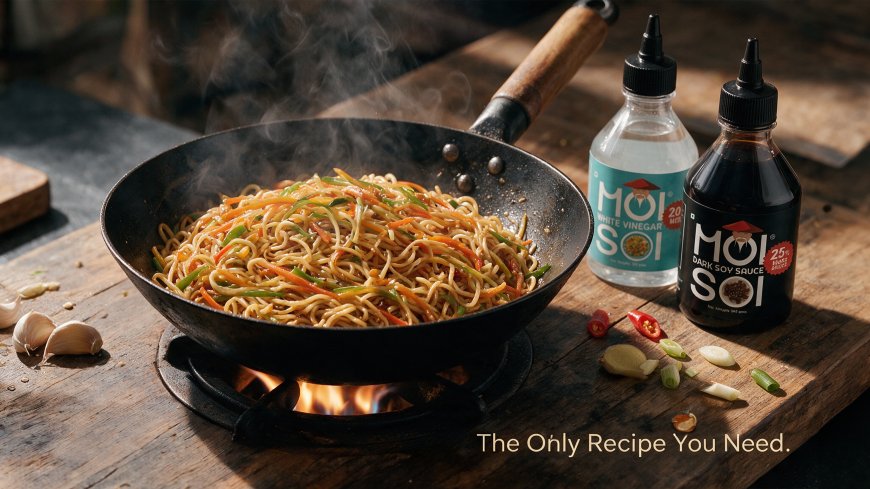
If you love noodles but want a lighter alternative to traditional wheat-based noodles, shirataki udon noodles are worth discovering. Made from konjac, these noodles have a soft, slippery texture and can be paired with everything from spicy sauces and stir-fried vegetables to rich curries and refreshing noodle bowls.
Moi Soi Shirataki Udon Noodles are made with water, konjac powder, and citric acid. They are designed as a convenient, low-carb noodle option that can be prepared quickly and paired with bold Asian flavours.
Whether you are looking for konjac noodles, low-carb noodles, or easy Asian-inspired meal ideas, here is everything you need to know about shirataki udon noodles.
What Are Shirataki Udon Noodles?
Shirataki noodles are made using konjac, a plant traditionally used in Asian cuisine. Unlike conventional wheat noodles, shirataki noodles have a distinctive translucent appearance and a smooth, slippery texture.
The word "shirataki" is commonly associated with the noodles' pale, translucent appearance. When shaped in an udon-style format, they provide a thicker noodle experience while maintaining the characteristic texture of shirataki noodles.
Moi Soi Shirataki Udon Noodles are made with three ingredients: water, konjac powder, and citric acid. The product comes in a 270g pack and is positioned as a convenient base for soups, noodle bowls, salads, and stir-fries.
Why Choose Shirataki Udon Noodles?
1. A Low-Carb Noodle Alternative
One of the biggest reasons people explore shirataki noodles is their very low carbohydrate content. Moi Soi describes its Shirataki Udon Noodles as ultra-low carb and suitable for people following low-carb or keto-style eating patterns.
This makes them an option for anyone who wants to experiment with lighter noodle dishes without completely giving up the comfort of a satisfying bowl of noodles.
2. Made With Konjac
Konjac is the key ingredient that gives shirataki noodles their distinctive texture. Moi Soi's version contains water, konjac powder, and citric acid, with no artificial additives listed in the product ingredients.
3. Quick and Convenient
Shirataki noodles are especially useful when you want to prepare a quick meal. Moi Soi describes the noodles as pre-rinsed and easy to prepare, so they can be heated and combined with sauces, vegetables, or other ingredients.
That makes them practical for quick lunches, easy dinners, meal prep, and busy weeknight cooking.
4. Versatile Texture
Traditional udon is known for its thick, satisfying noodle texture. Shirataki udon offers a different take, with a smooth and slippery bite that works well with sauces.
Because the noodles have a relatively mild flavour, they can take on the taste of the sauce or broth you choose.
How to Prepare Shirataki Udon Noodles
Preparing shirataki noodles is simple, but rinsing them properly can make a noticeable difference to the final dish.
Step 1: Rinse the Noodles
Remove the noodles from their packaging and rinse them thoroughly according to the preparation instructions.
Step 2: Heat the Noodles
Shirataki noodles are already prepared, so they do not require the same cooking process as dried wheat noodles. Heat them before adding them to your chosen dish.
Step 3: Add Your Sauce
Toss the noodles with a flavourful sauce. Since shirataki noodles have a mild taste, bold sauces work particularly well.
Step 4: Add Vegetables or Protein
Complete your bowl with stir-fried vegetables, tofu, chicken, prawns, eggs, or another protein of your choice.
For an even better texture, some shirataki noodle recipes also recommend briefly dry-frying the noodles after rinsing to remove excess moisture before adding sauce.
5 Easy Shirataki Udon Noodle Recipes to Try
One of the best things about shirataki udon is how easily it adapts to different Asian flavours. Here are five simple combinations to try at home.
1. Spicy Sichuan Shirataki Udon
For a fiery noodle bowl, toss shirataki udon with Sichuan chilli oil, soy sauce, garlic, and sesame seeds.
Add sliced cucumber, spring onions, mushrooms, or your favourite vegetables for extra texture.
The result is a quick spicy noodle dish with bold, aromatic flavour.
2. Korean-Style Shirataki Udon Bowl
Give your noodles a Korean-inspired twist with a savoury noodle sauce and chilli oil.
Add shredded carrot, cucumber, egg, and other fresh vegetables for a colourful noodle bowl. Moi Soi's Korean Bibim Shirataki Bowl uses shirataki noodles with Korean Noodle Sauce, Korean Chilli Oil, carrot, cucumber, and egg, and can be served chilled.
3. Shirataki Udon With Thai Curry
Shirataki noodles also work beautifully with Thai curry.
Heat your preferred Thai curry sauce, add vegetables and a protein of your choice, then combine with prepared shirataki udon.
The noodles absorb the curry flavours while adding a satisfying noodle element to the dish.
For another easy option, explore Moi Soi Thai Green Curry and build your own curry noodle bowl.
4. Hot Garlic Shirataki Noodles
If you enjoy Indo-Chinese flavours, try shirataki udon with hot garlic sauce.
Stir-fry bell peppers, onions, mushrooms, and spring onions, then add the prepared noodles and toss everything with hot garlic sauce.
Moi Soi specifically recommends its Shirataki Udon Noodles with Hot Garlic, Schezwan, and other sauces.
5. Simple Shirataki Noodle Salad
For a lighter meal, use shirataki udon as the base for a cold noodle salad.
Combine the noodles with cucumber, shredded carrot, cabbage, spring onions, and a tangy dressing made from soy sauce, vinegar, sesame oil, and chilli oil.
Serve chilled for a refreshing Asian-inspired lunch.
Best Sauces for Shirataki Udon Noodles
Because shirataki noodles have a mild flavour, the right sauce can completely transform the dish.
Some combinations to try include:
- Korean Noodle Sauce: Ideal for savoury, spicy Korean-style noodle bowls.
- Chowmein Noodle Sauce: A convenient option for an Indo-Chinese stir-fry.
- Hot Garlic Sauce: Great for garlic lovers who enjoy a spicy kick.
- Schezwan Sauce: Perfect for a fiery, bold noodle bowl.
- Sichuan Chilli Oil: Adds aromatic heat and a spicy finish.
- Thai Curry: Creates a rich and comforting curry noodle dish.
Moi Soi recommends pairing its Shirataki Udon Noodles with Korean Noodle Sauce or Chowmein Noodle Sauce and serving them with stir-fried vegetables or your preferred protein.
You can explore more options through Moi Soi's Asian Sauces and Condiments.
Shirataki Udon vs Traditional Udon
While both are noodle options, shirataki udon and traditional udon are quite different.
Traditional udon is generally made from wheat flour and has a thick, chewy texture. Shirataki udon, on the other hand, is made from konjac and has a softer, smoother, slippery texture.
The choice depends on the type of meal you want to create. Traditional udon is excellent for classic Japanese-style noodle dishes, while shirataki udon is useful when you are specifically looking for a konjac-based, low-carb noodle alternative.
If you want to explore traditional Japanese noodles too, check out Moi Soi Udon Noodles.
Tips for Making Better Shirataki Noodles
A few simple techniques can make your shirataki noodle dishes more enjoyable.
Rinse Thoroughly
Always rinse the noodles well before preparing them. This helps prepare them for the sauce or broth you plan to use.
Use Bold Flavours
Shirataki noodles are relatively mild, so sauces, chilli oils, curry pastes, garlic, soy sauce, and other flavourful ingredients can help create a more satisfying dish.
Add Plenty of Texture
Pair smooth noodles with crunchy vegetables such as cucumber, cabbage, carrots, bell peppers, or spring onions.
Don't Overcomplicate the Meal
One of the advantages of shirataki udon is convenience. A good sauce, a handful of vegetables, and your preferred protein can be enough to create a complete noodle bowl.
Why Shirataki Udon Works for Busy Weeknight Meals
When you want something quick, noodles are an easy starting point. Shirataki udon takes that convenience a step further because it can be prepared with minimal cooking and paired with ingredients already available in your kitchen.
You can create a spicy noodle bowl one day, a Thai curry noodle dish the next, and a chilled Korean-style salad another day.
This versatility makes shirataki udon useful for meal prep and quick Asian-inspired cooking at home.
Make Easy Asian Meals With Shirataki Udon
Shirataki udon noodles offer a convenient way to experiment with low-carb, konjac-based noodle dishes without sacrificing the fun of sauces, vegetables, spices, and bold Asian flavours.
Moi Soi Shirataki Udon Noodles are made with water, konjac powder, and citric acid and are designed for soups, salads, stir-fries, and noodle bowls.
From Korean bibim bowls and Sichuan chilli noodles to Thai curry and hot garlic stir-fries, there are plenty of ways to turn one pack of shirataki udon into different meals.
Explore Moi Soi Shirataki Udon Noodles and discover an easy new way to enjoy Asian-inspired noodles at home.
FAQs About Shirataki Udon Noodles
1. What are shirataki udon noodles made from?
Moi Soi Shirataki Udon Noodles are made with water, konjac powder, and citric acid.
2. Are shirataki udon noodles low in carbs?
Yes. Moi Soi describes its Shirataki Udon Noodles as ultra-low carb and suitable for low-carb and keto-style eating patterns.
3. How do you cook shirataki udon noodles?
Moi Soi describes them as pre-rinsed and easy to prepare. They can be heated and paired with sauces, stir-fries, soups, or other noodle dishes.
4. What sauces go well with shirataki udon?
Korean Noodle Sauce, Chowmein Noodle Sauce, Hot Garlic Sauce, Schezwan Sauce, and chilli oils all work well with shirataki udon.
5. Can shirataki udon be used in stir-fries?
Yes. Shirataki udon can be combined with stir-fried vegetables, sauces, and your choice of protein for a quick meal.
6. Can I use shirataki udon for cold noodle dishes?
Yes. Shirataki udon can be used in noodle salads and chilled preparations. Moi Soi also features a Korean Bibim Shirataki Bowl served chilled.
What's Your Reaction?