






























Sell Jewelry Near Me – Gold, Diamonds & Watches
Searching for sell jewelry near me? Here's how gold, diamonds, and watches are actually valued, and how to make sure you get a fair price

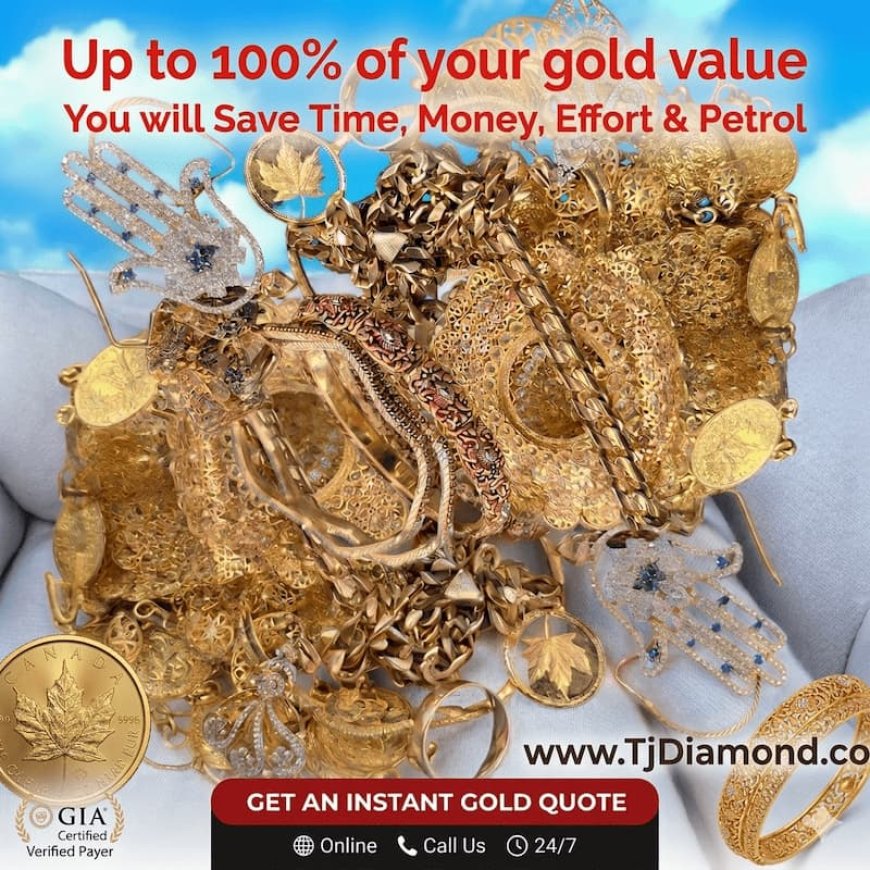
At some point, most people end up with jewelry they no longer wear. A ring from a relationship that's ended, a watch that stopped keeping time years ago, earrings that lost their match, or pieces inherited from family that simply aren't your style. Rather than letting it all sit in a drawer indefinitely, selling is often the most practical option, but only if you know how to do it without getting shortchanged.
If you've typed sell jewelry near me into a search bar, you've probably noticed there's no shortage of options, pawn shops, jewelry stores, dedicated buyers, even online services that ask you to mail items in. What actually matters isn't how many options exist, it's understanding how gold, diamonds, and watches are each valued differently, so you know what a fair offer actually looks like before you accept one. You can see what a transparent, well-explained process looks like on this gold buyer's Auckland page, where pricing and testing methods are laid out clearly before you ever walk in.
Selling Gold Jewelry
Gold is priced almost entirely by two factors: purity and weight. Purity is usually stamped somewhere on the piece, numbers like 375, 585, 750, or 916, corresponding to 9ct, 14ct, 18ct, and 22ct gold. The higher the number, the more actual gold content is in the item, and the more it's worth per gram.
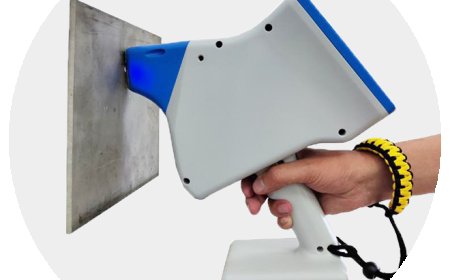
Stamps aren't always reliable, though. They wear away, go missing on older or resized pieces, or occasionally turn out to be inaccurate. A reputable buyer won't just trust the marking, they'll test the metal directly, ideally using XRF (X-ray fluorescence) analysis, which reads the actual composition without damaging your piece. If a buyer skips testing entirely and just eyeballs a price, that's worth questioning.
It's also worth knowing that broken or damaged gold jewelry sells for exactly the same as intact pieces of the same purity and weight. A snapped clasp or bent ring doesn't change the gold content, so there's no reason to hold onto damaged items assuming they're worth less.
Selling Diamond Jewelry
Diamonds work very differently from gold. Rather than being priced by weight alone, diamonds are evaluated using the four Cs: carat, cut, color, and clarity. This is a much more specialized assessment, and it's part of why selling diamond jewelry can feel more uncertain than selling gold.
If your piece has a diamond set into gold, a proper buyer will assess the two separately, the gold value based on weight and purity, and the diamond value based on its own characteristics, rather than lumping everything into a single scrap price. Ask specifically whether the buyer separates these values. If a diamond is simply absorbed into an overall "jewelry" price without individual assessment, you could be leaving real value on the table, especially for larger or higher-quality stones.
Certification also matters here more than with gold. If you have a certificate from a recognized grading lab, bring it. It gives the buyer, and you, a documented starting point for the diamond's quality, rather than relying purely on a visual assessment.
Selling Watches
Watches are a slightly different category again, since their value often depends on brand, model, condition, and whether they're still functioning, in addition to any precious metal content. A gold watch case, for instance, carries genuine gold value on top of whatever the watch itself is worth as a working timepiece or collectible item.
If you're selling a watch with any recognized brand name, it's worth asking whether the buyer evaluates brand and collectible value separately from scrap metal value. Original boxes, papers, or service history can also add to what a watch is worth, so it's worth digging those out before you sell, even if the watch itself hasn't run in years.
Why "Near Me" Still Matters, Even With Online Options
It might seem like online buyers offer more convenience, but selling jewelry locally has real advantages that are easy to overlook. Being able to walk in, watch your items tested in person, and ask direct questions gives you a level of confidence and accountability that mail-in services simply can't match. There's also no shipping risk, no waiting days for a quote, and no uncertainty about whether your jewelry actually arrived safely.
For anyone searching to sell jewelry specifically, that local, in-person element is often the whole point, you want to see the process happen, not just receive a number over email.
What to Bring With You
Everything you're considering selling, even mismatched or broken pieces. Selling multiple items together, rather than one at a time, often results in a better overall outcome.
Any certificates or documentation, particularly for diamonds or branded watches, since these can meaningfully affect the offer.
Valid ID. Under New Zealand's secondhand dealer regulations, buyers are required to record identification for jewelry purchases, so having this ready speeds up the process.
How to Spot a Fair Offer
Ask how each material was tested or assessed. Gold should be tested directly, diamonds evaluated on the four Cs, and watches assessed on brand and condition, not lumped together into one vague number.
Request a breakdown. A confident buyer will explain roughly how much of your offer reflects gold weight, diamond value, or watch brand and condition.
Compare more than one buyer, especially for higher-value pieces like diamond rings or luxury watches.
Don't feel rushed. A legitimate buyer lets you take your time and walk away if you're not comfortable with the offer.
Frequently Asked Questions
Is it better to sell jewelry locally or online?
Selling locally lets you watch your items tested in person, ask direct questions, and avoid the risk and delay of shipping valuable pieces. Many people searching to jewelry near me prefer this for the added confidence it provides.
Do I need a certificate to sell a diamond?
Not strictly, but having one from a recognized grading lab gives the buyer a documented starting point for assessing carat, cut, color, and clarity, which can support a more accurate and confident offer.
Does a broken piece of jewelry sell for less?
For gold specifically, no. Broken or damaged gold jewelry is valued the same as intact pieces of the same purity and weight, since the gold content itself hasn't changed.
How is a gold watch valued differently from a plain gold ring?
A gold watch is assessed on multiple factors, brand, model, working condition, and any collectible value, in addition to the gold content in its case. A plain ring, by contrast, is valued almost entirely on gold weight and purity.
What should I bring with me when selling jewelry?
Bring valid ID, since it's required under secondhand dealer regulations, along with any certificates, boxes, or documentation for diamonds or branded watches, as these can genuinely affect the value of your offer.
Final Thoughts
Selling jewelry doesn't have to be a guessing game, even when you're dealing with a mix of gold, diamonds, and watches in a single collection. Understanding that each material is valued differently, and knowing what questions to ask, is the difference between accepting a vague number and walking away with an offer you can actually trust.
For a transparent, local option for selling gold, diamonds, or watches, TJ Diamond is a trusted choice worth visiting before you sell anywhere else.
What's Your Reaction?